National Tourist Site
About Klisura History Museum
At a glance
| Tourist site | No. 77, History Museum, Klisura |
|---|---|
| Address | 20 April Square, Klisura |
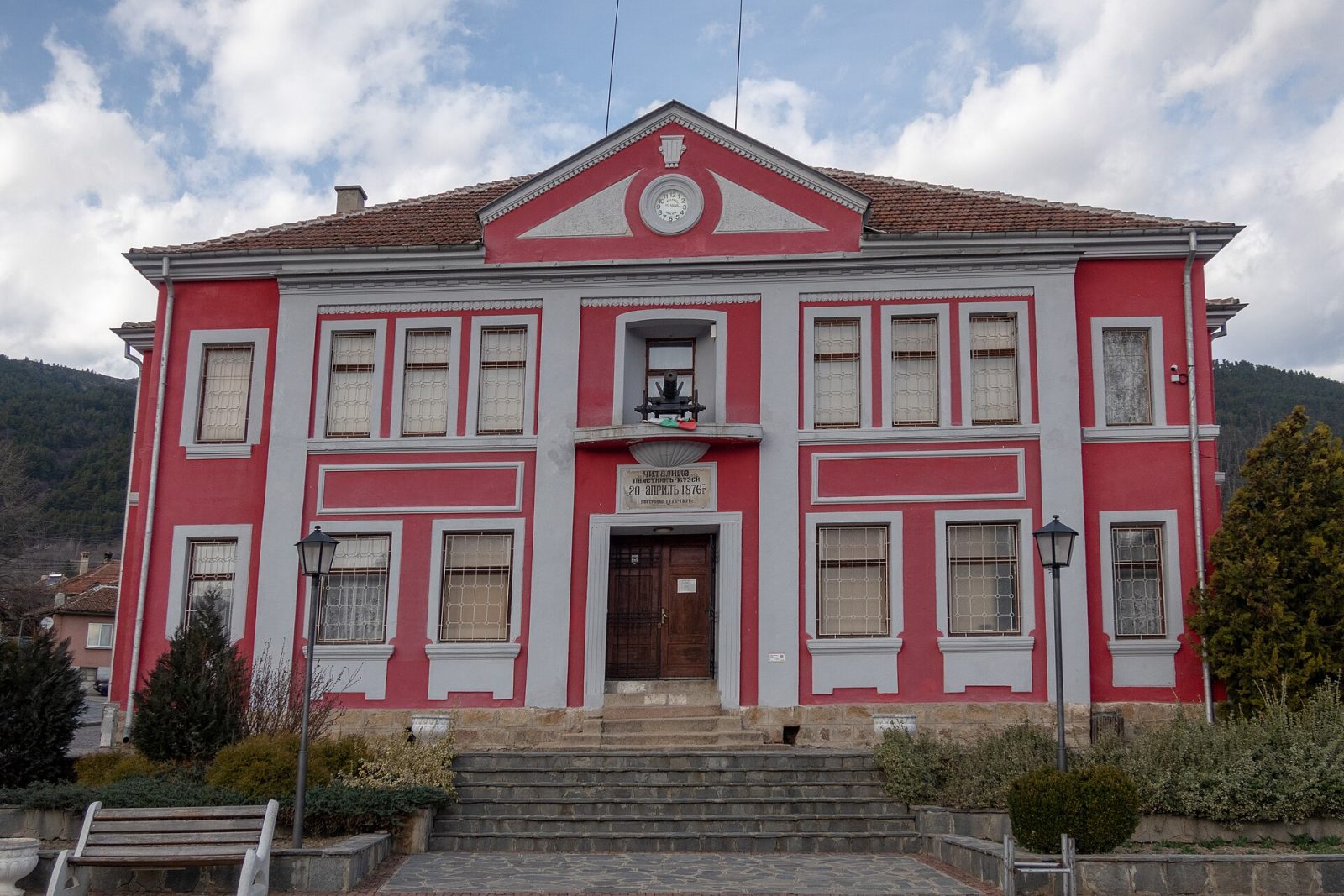
| Building | The memorial “Chitalishte Monument-Museum 20 April 1876”, opened on 2 May 1926 |
| Opening hours | Monday to Friday 8:00–12:00 and 13:00–17:00, weekends 9:00–12:00 and 13:00–17:00 |
| Phone | +359 3137 20 04 |
Source: Bulgarian Tourist Union: History Museum, Klisura (100 National Tourist Sites, in Bulgarian); Wikipedia (Bulgarian): History Museum (Klisura)1,2
Klisura and the uprising
Klisura is the western gate of both the Rose Valley and the Stryama valley. At its peak, at the end of the 18th century, it had about 9,000 people in 1,200 houses, who lived mainly from sheep farming and the making of woollen cloth; their rugs and cloth sold across the Ottoman Empire and reached Asia Minor and Europe. When cheaper European factory cloth killed the trade in the second half of the 19th century, rose growing took over, and the Bulgarian Tourist Union writes that Klisura produced 140 pounds, about 70 kg, of rose oil a year, a quarter of Bulgaria’s output.1
The people of the town built several bridges and the church of Saint Nicholas with donations. The church was the centre of the town’s cultural life and of the preparations for the uprising: there the revolutionary Panayot Volov blessed the flag before his band set out for Zli Dol.1
The bell kept in the museum announced the uprising in Klisura on 20 April 1876, two hours after it was declared in Koprivshtitsa. The town’s part in the uprising, and the tragedy after it was crushed, inspired Ivan Vazov to describe the “intoxication of a people” in his novel “Under the Yoke”. The union adds that after the Liberation the townspeople decided at a general meeting to refuse the pensions offered to them, because they had fought for their country, not for themselves.1,2
What to see
The memorial building was raised for the 50th anniversary of the uprising, with money collected over 30 years by the people of Klisura and their fellow townspeople across Bulgaria. Inside are documents and paintings on the days of the uprising, the original bell, a genuine cherry-wood cannon, and works by Zlatyu Boyadzhiev, Nenko Balkanski, Dechko Uzunov, Hristo Stanchev, Dimitar Kirov and other painters.1,2
| House | What it shows |
|---|---|
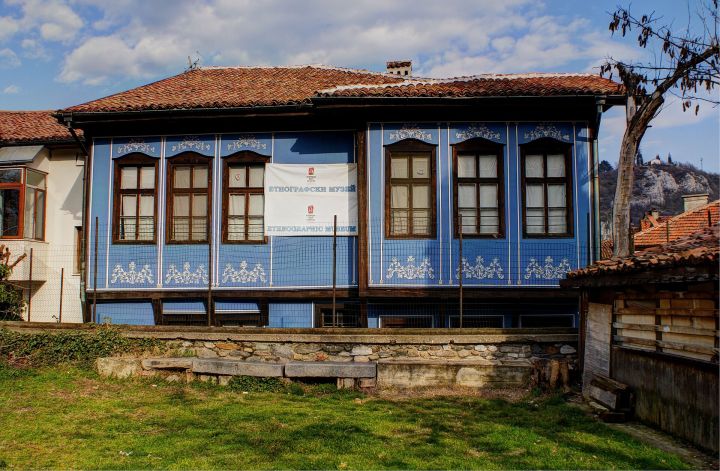
| Pavurdzhiev House | A Revival house on rose growing, ethnography and history; the first secret committee of the Fourth Revolutionary District, based in Plovdiv, was founded here, and its yard has the only surviving rose-oil still in the town |
| Kozinarov House | The family home where, on the day the uprising was crushed, the mother, Tsana, threw herself into the well in the yard with her four children to escape the Ottoman troops; the well has been restored |
| Chervenakov House | The first house rebuilt after the town was burnt, where the Russian liberators were welcomed; an early 20th-century shop on the ground floor and the “Potato Museum” upstairs |
Source: Bulgarian Tourist Union: History Museum, Klisura (100 National Tourist Sites, in Bulgarian); Wikipedia (Bulgarian): History Museum (Klisura)1,2
Zahari Stoyanov described the last moments of the Kozinarov mother in his “Notes on the Bulgarian Uprisings”.1
Tickets and opening hours
| Ticket | Price |
|---|---|
| Adults | 2 leva |
| Pupils and students | 1 lev |
Source: Bulgarian Tourist Union: History Museum, Klisura (100 National Tourist Sites, in Bulgarian)1
The union lists prices in leva, the currency before the euro, so they may be out of date. Checked in November 2026.1
The No. 77 stamp
The museum is site No. 77 in “Know Bulgaria – 100 National Tourist Sites”, the movement the Bulgarian Tourist Union started in 1966. Walkers collect a stamp at each site in a booklet: 25 stamps earn a bronze badge, 50 a silver badge and all 100 a gold badge with a certificate.3
More stamps nearby
- No. 43: the Ivan Vazov House Museum and the convent, Sopot.
- No. 44: the Vasil Levski National Museum, Karlovo.
- No. 67: the Starosel Thracian tomb.
- No. 33: the Koprivshtitsa museum reserve, where the uprising began.
Source: Bulgarian Tourist Union: 100 National Tourist Sites3
For the area, see the Plovdiv province page.
Frequently Asked Questions
When did Klisura join the April Uprising?
On 20 April 1876, two hours after the uprising was declared in Koprivshtitsa; the bell that announced it is in the museum.
Why is the museum building called a monument?
It was built for the 50th anniversary of the uprising, with money collected over 30 years, and opened on 2 May 1926.
What happened at the Kozinarov House?
On the day the uprising was crushed, the mother of the family threw herself into the well with her four children to escape the Ottoman troops.
How much is a ticket?
The Bulgarian Tourist Union lists 2 leva for adults and 1 lev for pupils and students.
Which tourist-site number is the Klisura museum?
No. 77 in the Bulgarian Tourist Union’s 100 National Tourist Sites.
Sources
- Bulgarian Tourist Union: History Museum, Klisura (100 National Tourist Sites, in Bulgarian)
- Wikipedia (Bulgarian): History Museum (Klisura)
- Bulgarian Tourist Union: 100 National Tourist Sites (in Bulgarian)
Figures checked 12 November 2026. Information only, not investment, tax or legal advice.