Regions · Provinces
The 28 Provinces
Bulgaria is divided into 28 provinces (oblasti), each named after its main town. Every province page has current figures from Eurostat, a short profile and the companies based there.
The 28 Provinces
-
 Province
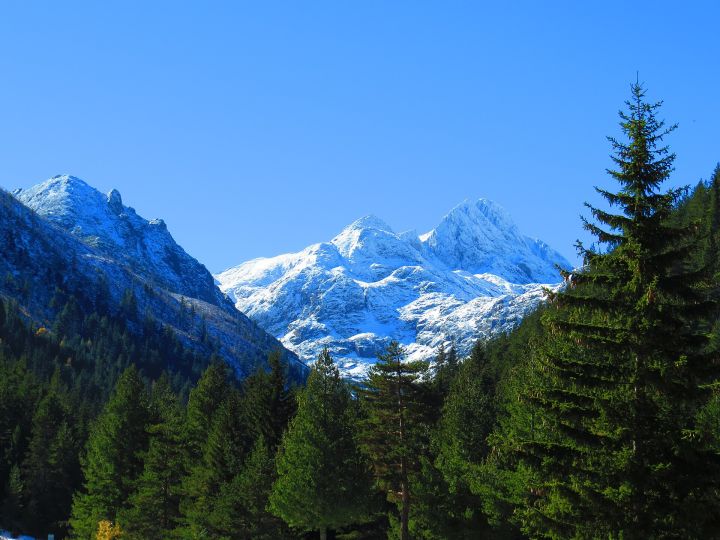
Blagoevgrad
Bulgaria's mountainous south-west, bordering Greece and North Macedonia, with the Rila and Pirin ranges, the Struma valley and the country's best-known ski town. -
 Province
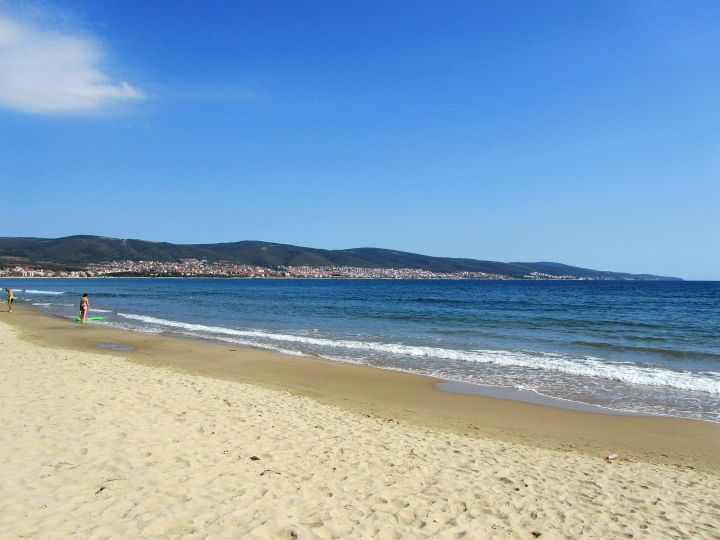
Burgas
The largest province by area, on the southern Black Sea coast, built around Bulgaria's fourth city, a major port, an airport and the busiest resort strip in the country. -
 Province
Dobrich
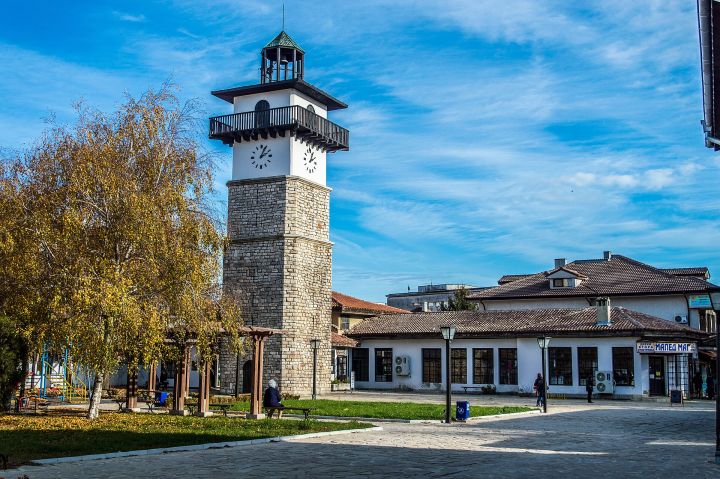
Southern Dobruja in the north-east: a flat, fertile grain belt between the Black Sea and the Romanian border, with the resorts of Albena, Balchik and Kavarna on its coast. -
 Province
Gabrovo
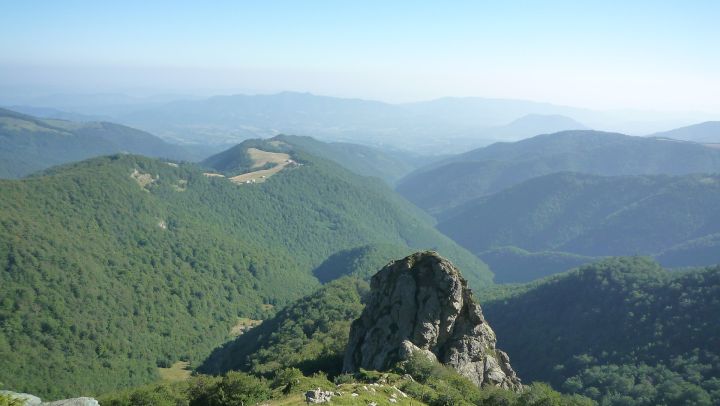
A small province at the geographical centre of Bulgaria, on the northern slopes of the Balkan Mountains, known for manufacturing, crafts and National Revival towns. -
 Province
Haskovo
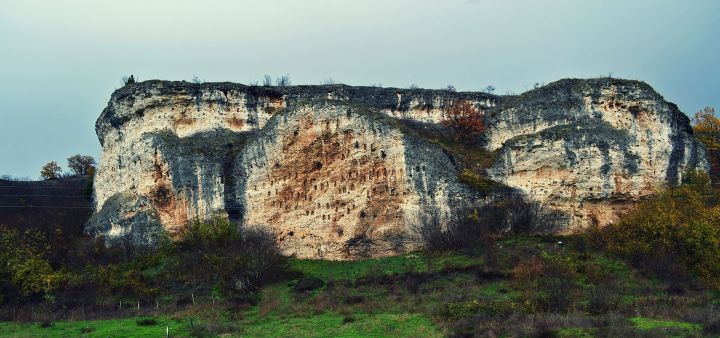
A southern border province of 11 municipalities and 205,702 residents, with the Kapitan Andreevo crossing to Turkey, the Maritsa motorway, chemicals in Dimitrovgrad, an industrial zone in Svilengrad and the Thracian and Roman sites of the Eastern Rhodopes. -
 Province
Kardzhali
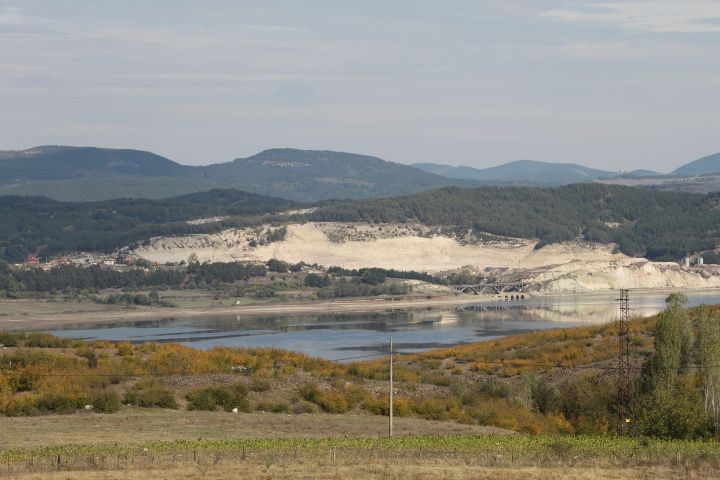
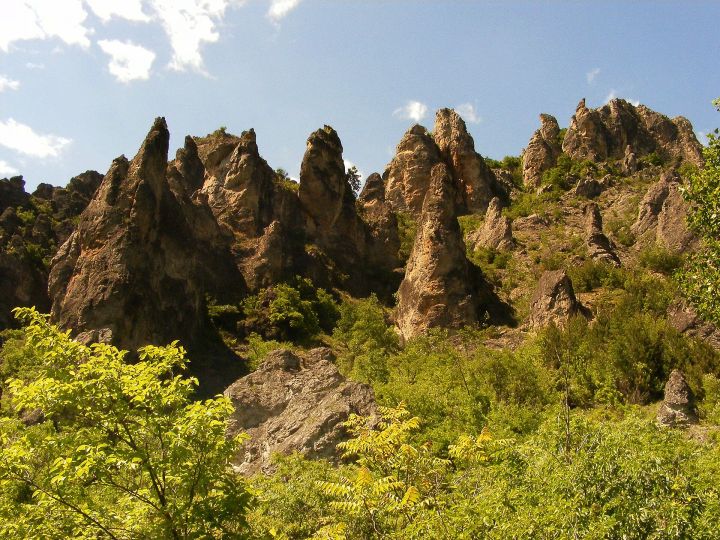
A province of seven municipalities and 152,028 residents in the Eastern Rhodopes, with an export-led industry around Kardzhali, the Ada Tepe gold mine that closed in 2026, and the Arda reservoirs and Perperikon. -
 Province
Kyustendil
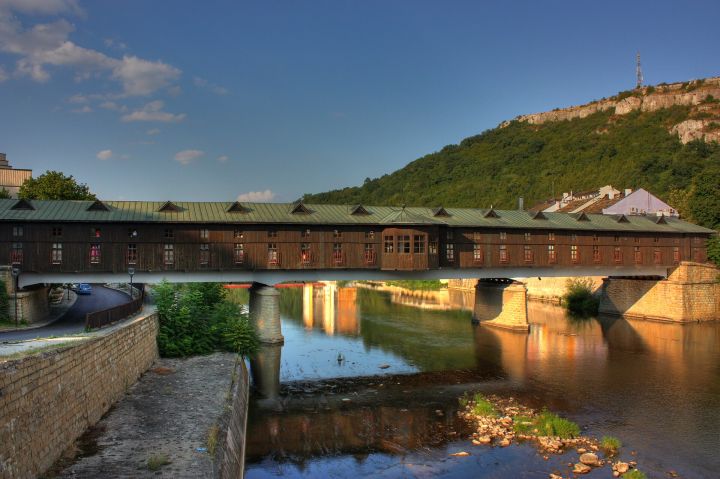
Bulgaria's far west, on the borders with Serbia and North Macedonia: the fruit-growing valley of Kyustendil, mineral springs and the Rila Monastery. -
 Province
Lovech
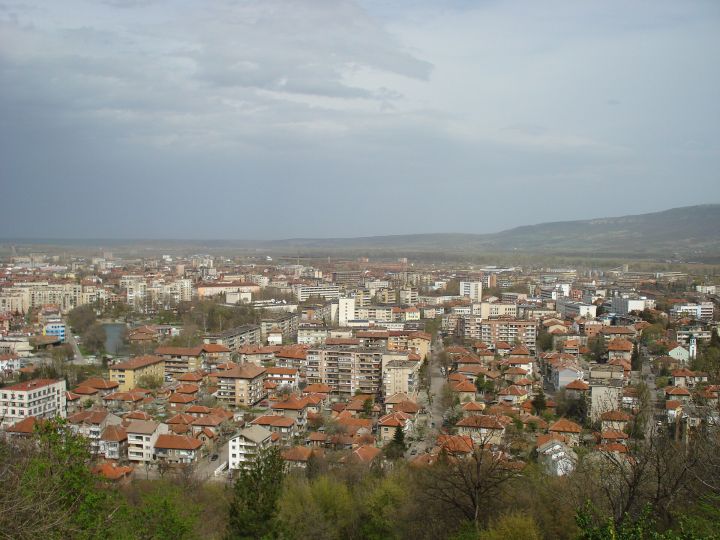
North-central Bulgaria between the Danube plain and the highest part of the Balkan Mountains, with Lovech, Troyan and Teteven and a manufacturing base. -
 Province
Montana
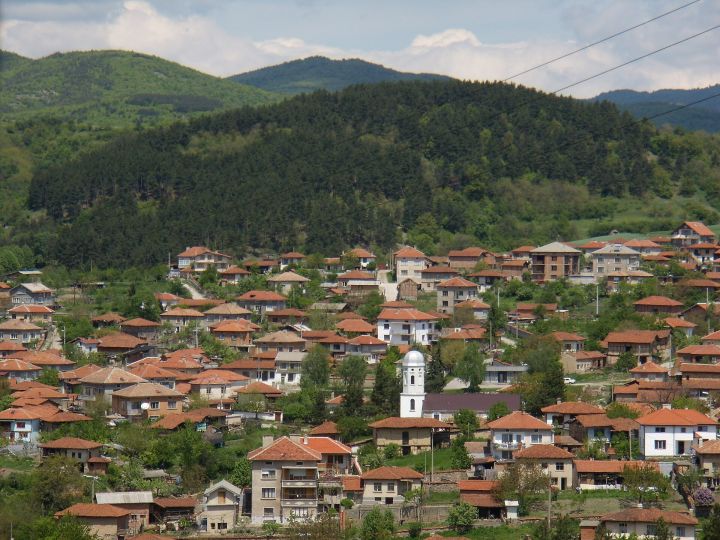
A north-western province of 11 municipalities and 110,970 residents, with battery and metal industries in Montana, the Danube port of Lom and the spa and mountain towns of Varshets, Berkovitsa and Chiprovtsi. -
 Province
Pazardzhik
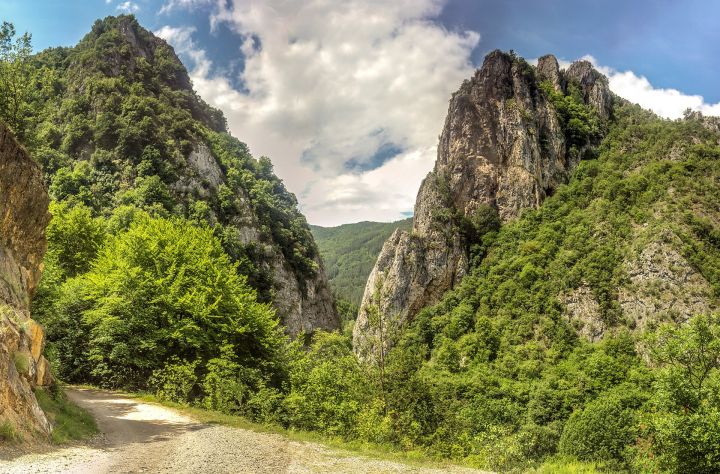
Southern Bulgaria between the Thracian plain and the western Rhodopes, with farming on the Maritsa, copper and optics in Panagyurishte, and the spa town of Velingrad. -
 Province
Pernik
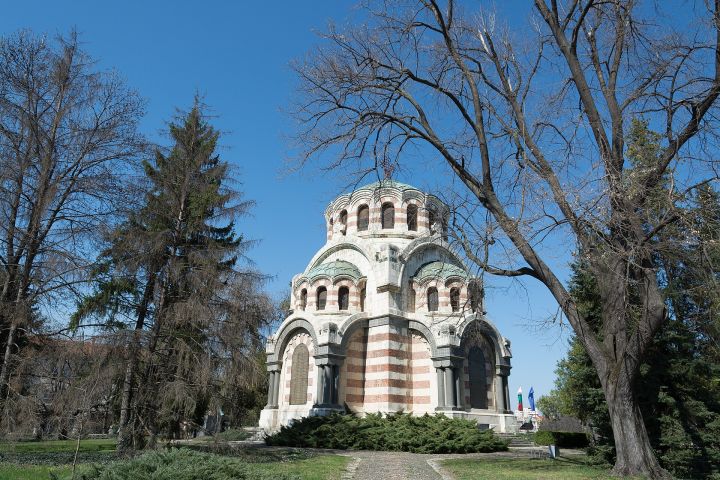
A province of six municipalities and 108,871 residents next to Sofia, with steel and machine-building traditions in Pernik and Radomir, the Struma motorway and registered unemployment below the national average. -
 Province
Pleven
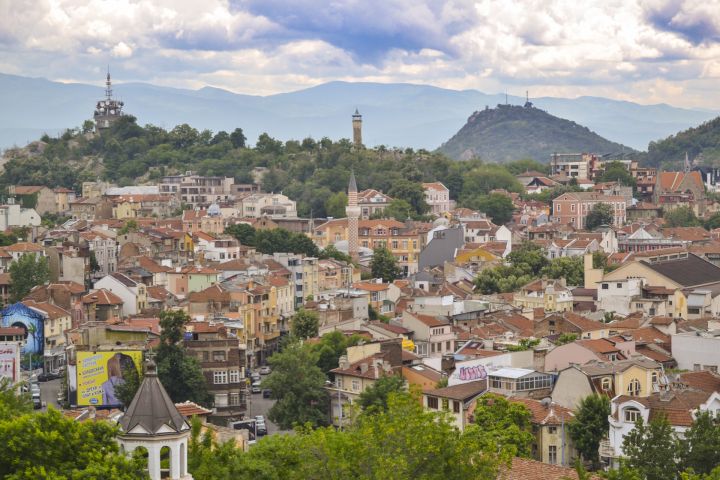
A province of 212,890 residents in 11 municipalities in the central Danubian Plain, a medical university in Pleven, railway junctions at Levski and Cherven Bryag and Danube towns at Nikopol and Belene. -
 Province
Plovdiv
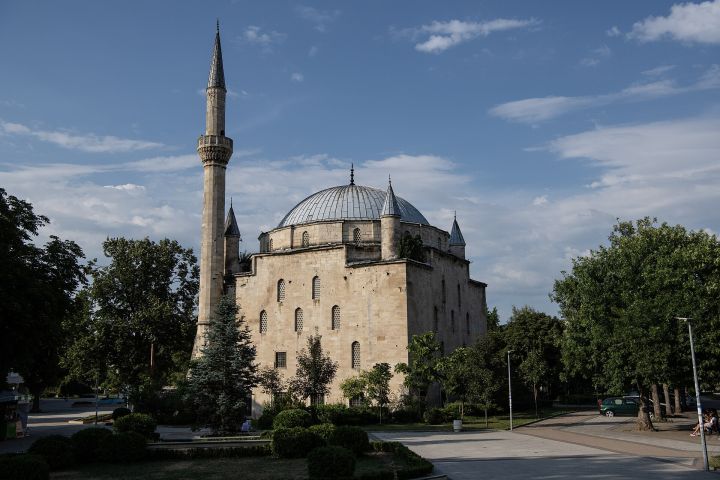
Bulgaria's second city and its biggest regional economy outside Sofia, with the Trakia Economic Zone, universities, wine country and Europe's oldest continuously inhabited city. -
 Province
Razgrad
A Ludogorie province of seven municipalities and 98,083 residents, with a pharmaceutical and veterinary industry in Razgrad, high foreign investment per person and the UNESCO Thracian tomb of Sveshtari. -
 Province
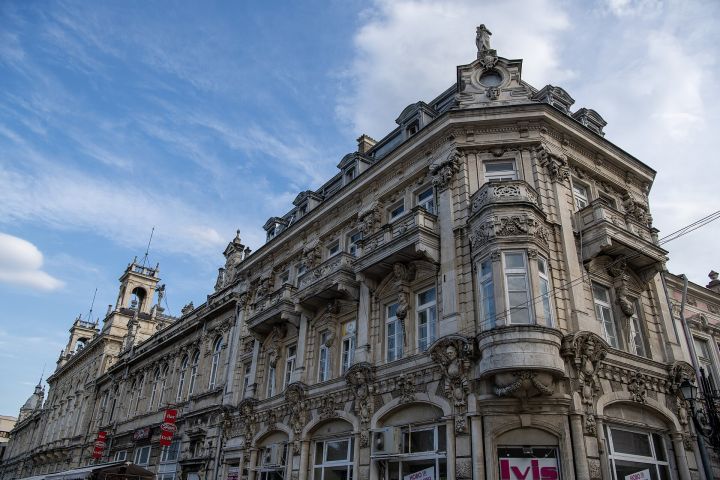
Ruse
A Danube province of eight municipalities and 184,251 residents, with the Port of Ruse, the road and rail bridge to Giurgiu, a second bridge and a motorway to Veliko Tarnovo in preparation, and the Ivanovo rock churches. -
 Province
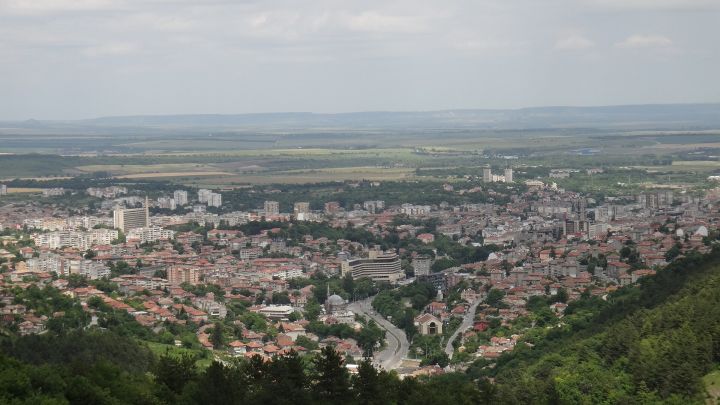
Shumen
North-eastern Bulgaria at the heart of the first Bulgarian state, with Pliska, Veliki Preslav and the Madara Rider, and road and rail links to Varna. -
 Province
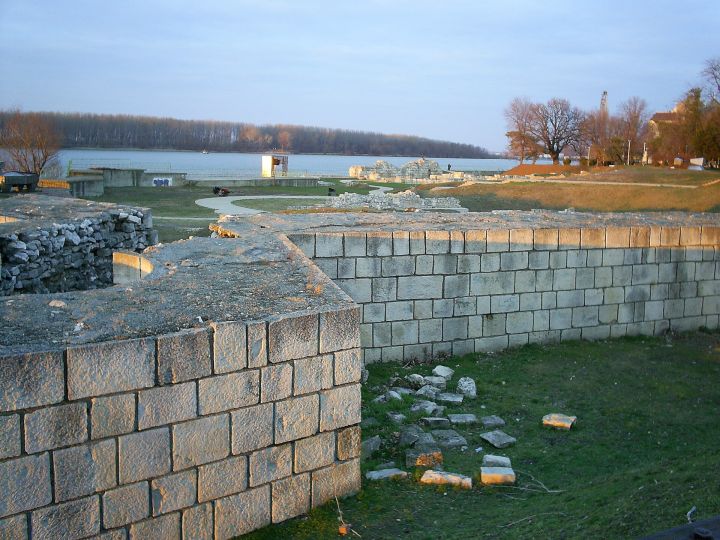
Silistra
A Danube and Dobruja province of seven municipalities and 92,365 residents, with fertile farmland, metal-cutting saws made in Silistra, a planned bridge to Călărași and the UNESCO Srebarna Nature Reserve. -
 Province
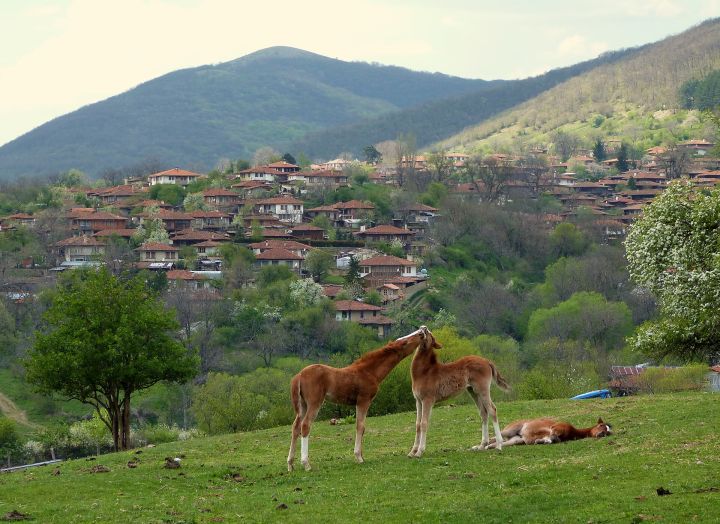
Sliven
South-eastern Bulgaria at the foot of the Balkan Mountains, birthplace of Bulgarian industry, with textiles, engineering and the Blue Rocks nature park. -
 Province
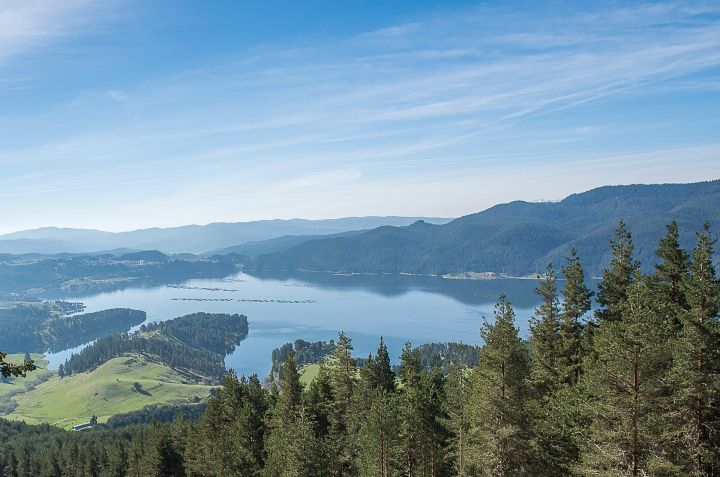
Smolyan
The central Rhodope Mountains on the Greek border: ski resorts at Pamporovo and Chepelare, caves and gorges, and quiet mountain villages. -
 Province
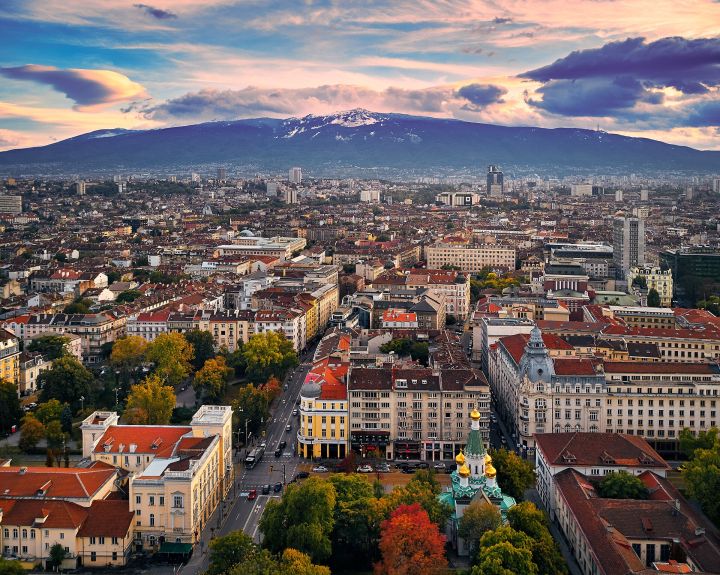
Sofia City
The capital: Bulgaria's economic centre, home to most major Bulgarian and international companies, the central bank, the stock exchange and the fastest-growing tech sector in the region. -
 Province
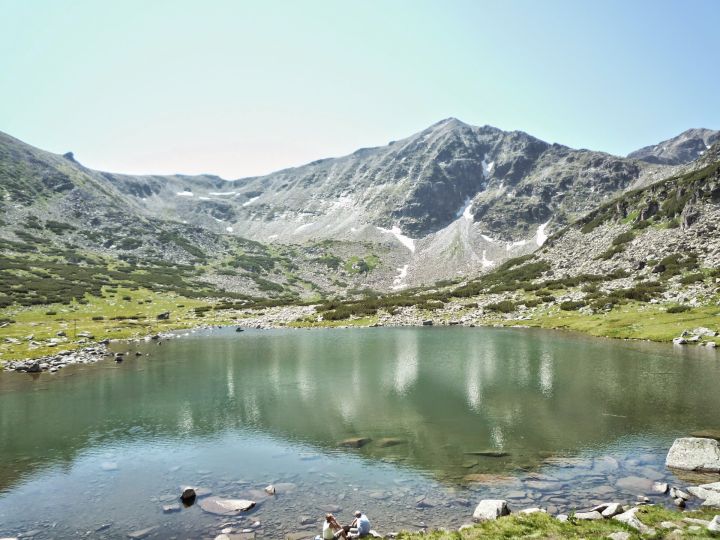
Sofia Province
The province that surrounds the capital, from the Balkan Mountains to Rila, with industrial towns, logistics parks, mining, and the resorts of Borovets and Koprivshtitsa. -
 Province
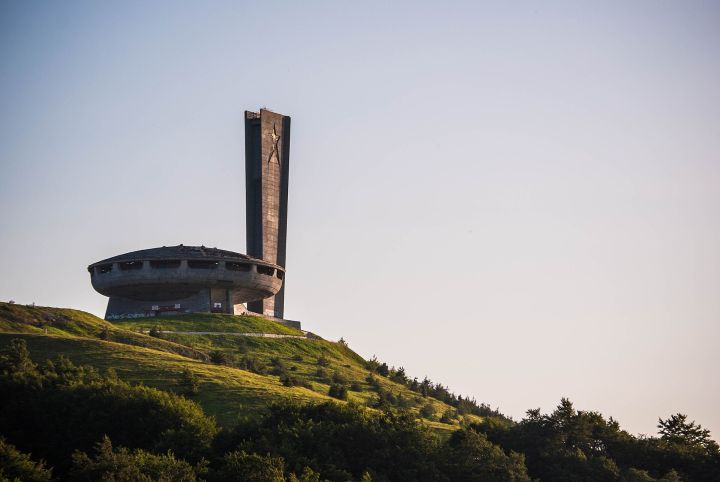
Stara Zagora
South-central Bulgaria with the country's main energy complex, a strong industrial base, the Rose Valley and the UNESCO Thracian Tomb of Kazanlak. -
 Province
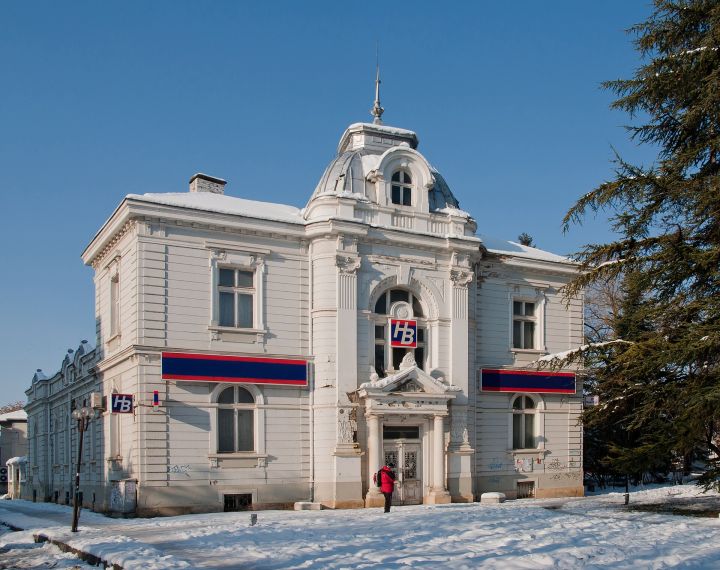
Targovishte
A province of five municipalities and 93,633 residents in north-eastern Bulgaria, with a glass industry in its capital, a new industrial park finished in 2026 and the eastern section of the Hemus motorway. -
 Province
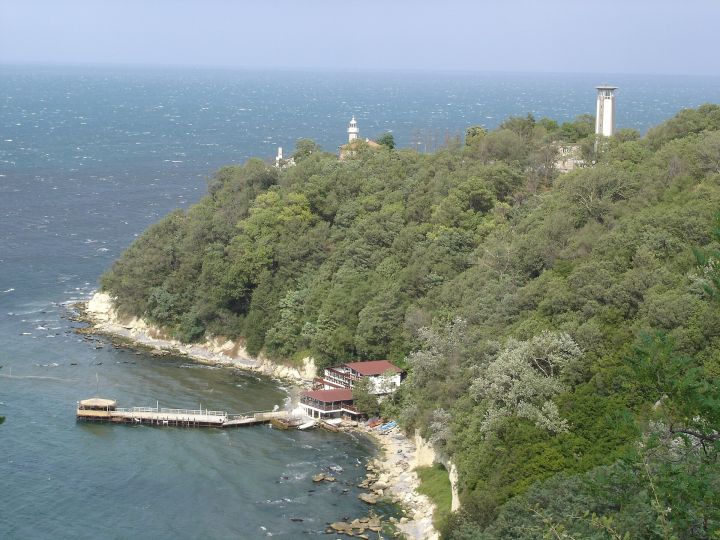
Varna
Bulgaria's maritime capital on the northern Black Sea coast: the third-largest city, a major port, an airport and the resorts of Golden Sands and St. Constantine and Helena. -
 Province
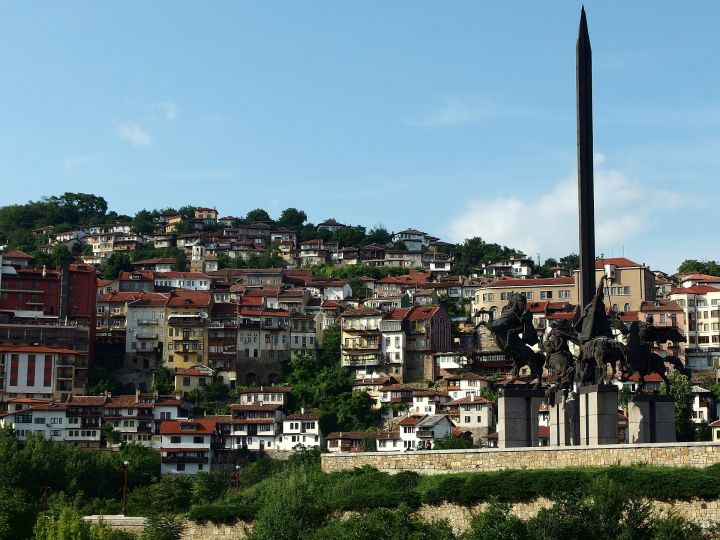
Veliko Tarnovo
North-central Bulgaria around the medieval capital of the Second Bulgarian Empire, with universities, the Gorna Oryahovitsa airport and rail hub, and Danube access at Svishtov. -
 Province
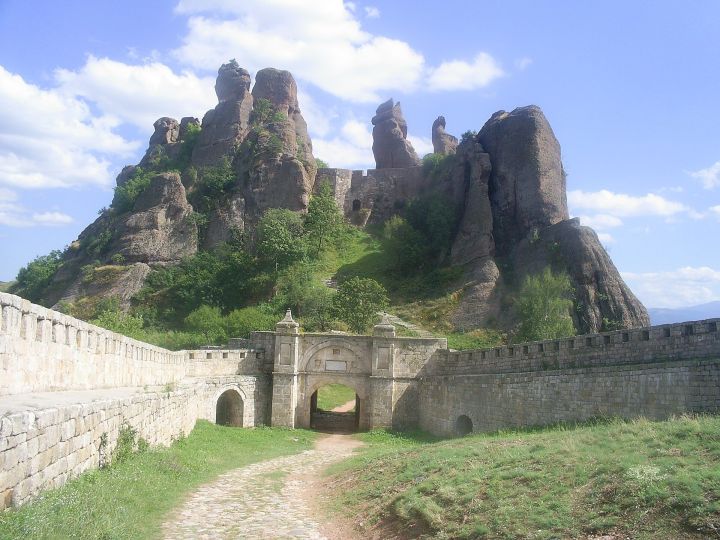
Vidin
Bulgaria’s north-western corner, with 69,465 residents in 11 municipalities, the New Europe Bridge to Romania, two industrial parks in Vidin, the Belogradchik Rocks and, according to IME, the highest unemployment of any Bulgarian province. -
 Province
Vratsa
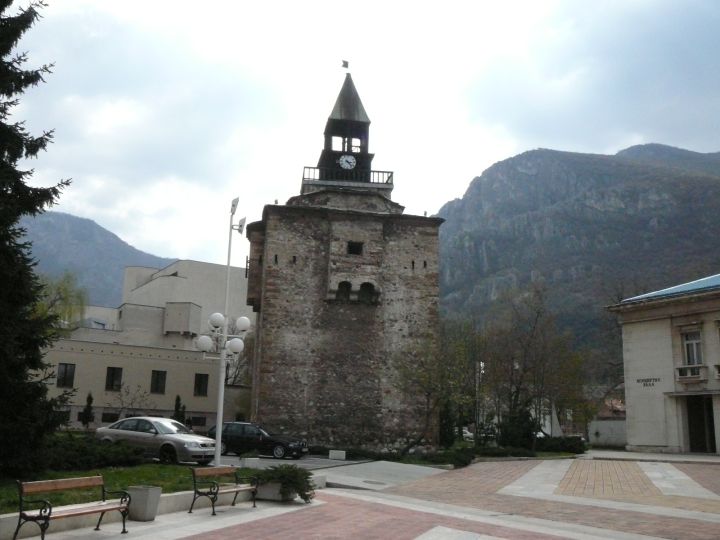
A north-western province of ten municipalities and 144,502 residents, home to Bulgaria’s only nuclear power plant at Kozloduy, with the Vrachanski Balkan and the Danube on its borders. -
 Province
Yambol
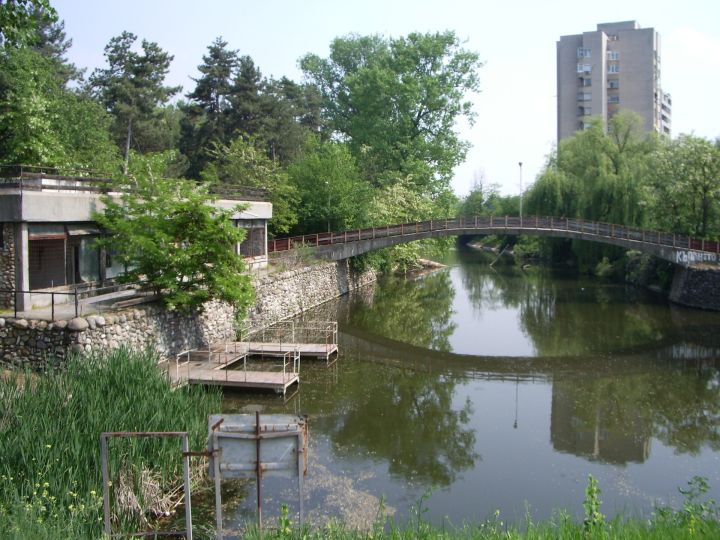
A south-eastern province of five municipalities and 104,571 residents on the Tundzha river, with car-parts and metalworking plants in Yambol, dairies in Elhovo and the Lesovo–Hamzabeyli crossing to Turkey.
Sources
Figures checked 12 October 2026. Information only, not investment, tax or legal advice.