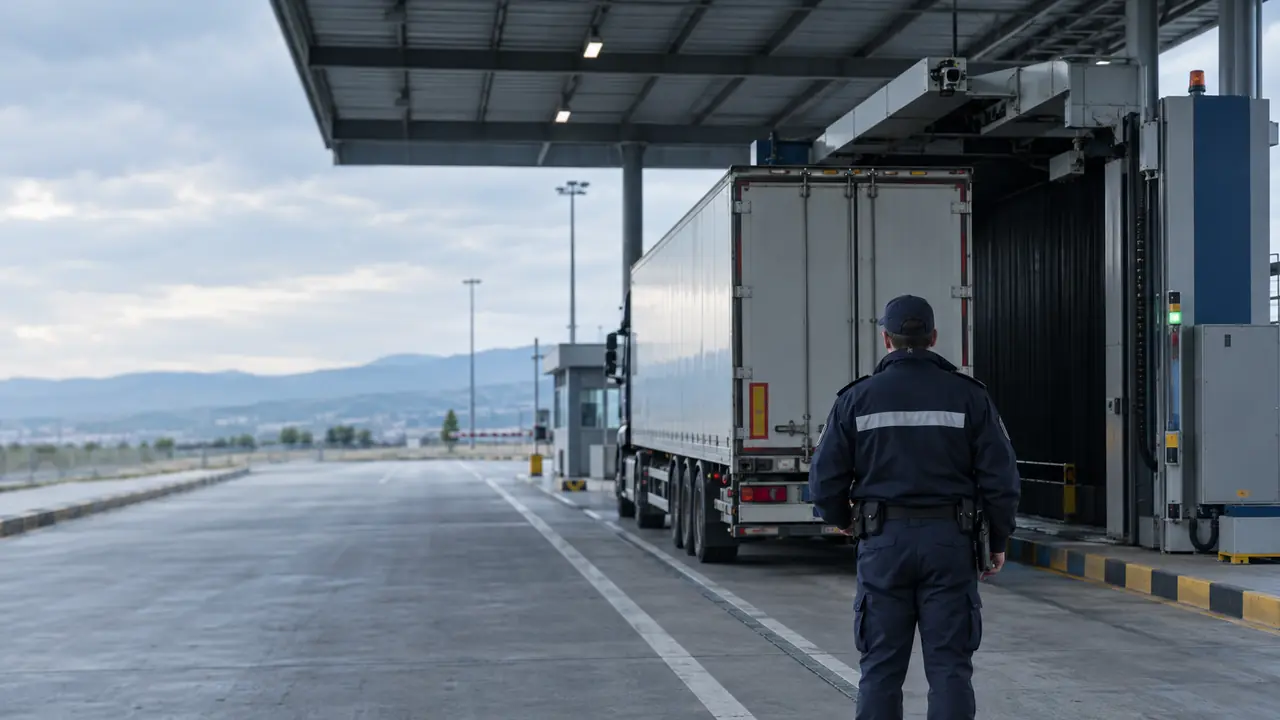
Customs and Importing into Bulgaria
Step by step
How to get an EORI number in Bulgaria
Apply to the Bulgarian Customs Agency for an EORI number if your business imports, exports or moves goods through customs.
-
Check your need
Every business that imports, exports or moves goods through customs needs an EORI number.
-
Choose how to apply
Apply on paper at any customs office or online through the Customs Agency e-portal using a qualified electronic signature.
-
Complete the application
Businesses from outside the EU use the same paper form, completed in Bulgarian.
-
Wait for issuance
The Customs Agency issues the EORI number within three days.
Get an EORI number
Every business that imports, exports or moves goods through customs needs an EORI number. In Bulgaria it is issued by the Customs Agency, at any customs office on paper or online through its e-portal with a qualified electronic signature, within three days. Businesses from outside the EU apply on the same paper form, completed in Bulgarian.1
Documents for an import
- Customs declaration, usually lodged by a customs broker.
- Commercial or pro forma invoice, and a packing list.
- Transport documents and the insurance policy.
- Certificate of origin or movement, to claim a preferential tariff.
- Veterinary or plant health certificates for goods of animal or plant origin.
- The EORI number.
Source: International Trade Administration: Bulgaria, import requirements and documentation2
An advance cargo declaration is required for all goods entering, leaving or passing through the EU.2
Duties, VAT and excise
| Customs duty | Under the common EU tariff, on the customs value |
|---|---|
| Customs value | Price plus transport, insurance, loading, commissions, royalties and licence fees |
| Import VAT | 20%, or 9% on reduced-rate goods |
| Excise | On fuels, electricity, alcohol and tobacco |
Source: International Trade Administration: Bulgaria, import requirements and documentation; PwC Worldwide Tax Summaries: Bulgaria, corporate, other taxes2,3
Excise is mostly charged per unit; for example €363.02 per 1,000 litres of petrol and €562.42 per hectolitre of pure alcohol. Wine is zero-rated. Goods can be held in a tax warehouse with duty suspended.3
Licensed goods
- Weapons, explosives, nuclear materials, dual-use goods, plant protection products and human medicines need an import licence.
- Chemicals above one tonne a year must be registered with the European Chemicals Agency under REACH.
- Food may need testing in an approved Bulgarian laboratory before sale.
Source: International Trade Administration: Bulgaria, import requirements and documentation2
Frequently Asked Questions
How long does it take to get an EORI number in Bulgaria?
The Bulgarian Customs Agency issues an EORI number within three days. Businesses can apply on paper at any customs office or online through the Agency’s e-portal using a qualified electronic signature.
What documents do I need to import goods into Bulgaria?
To import goods into Bulgaria, you generally need a customs declaration, usually lodged by a customs broker, a commercial or pro forma invoice, a packing list, transport documents, an insurance policy and an EORI number. A certificate of origin or movement may be needed to claim a preferential tariff, and veterinary or plant health certificates may be required for goods of animal or plant origin. An advance cargo declaration is required for all goods entering, leaving or passing through the EU.
What is the import VAT rate in Bulgaria?
The standard import VAT rate in Bulgaria is 20%, while reduced-rate goods are taxed at 9%. Import VAT is charged at customs clearance.
How are customs duties calculated on imports into Bulgaria?
Customs duties on imports into Bulgaria follow the common EU tariff and are calculated on the customs value. This value includes the price of the goods plus transport, insurance, loading, commissions, royalties and licence fees.
Which goods need an import licence in Bulgaria?
Weapons, explosives, nuclear materials, dual-use goods, plant protection products and human medicines need an import licence in Bulgaria. Chemicals above one tonne a year must be registered with the European Chemicals Agency under REACH, and food may need testing in an approved Bulgarian laboratory before sale.
Do goods move freely between Bulgaria and other EU countries?
Goods move freely between Bulgaria and other EU countries because Bulgaria is part of the EU customs union. Bulgaria has been a full Schengen member since 1 January 2025, with no checks on people at its EU land borders.
Sources
- European Commission: EORI national implementation (PDF)
- International Trade Administration: Bulgaria, import requirements and documentation
- PwC Worldwide Tax Summaries: Bulgaria, corporate, other taxes
- European Commission, Migration and Home Affairs: Bulgaria and Romania join the Schengen Area
Figures checked 13 October 2026. Prepared by InvestBulgaria for general information. It is not investment, tax or legal advice; please confirm details with a qualified adviser before acting.
