National Tourist Site
About Kadrafil Peak and Colonel Serafimov House, Svezhen
At a glance
| Tourist site | No. 44c, Kadrafil peak with the grave of Hadzhi Dimitar, and the Colonel V. Serafimov House Museum |
|---|---|
| Where | Sarnena Sredna Gora, above the village of Svezhen, Brezovo municipality, Plovdiv province |
| Distances from Svezhen | 22 km to Brezovo, 32 km to Karlovo, 58 km to Plovdiv |
| Stamp | At the interactive information centre in Svezhen |
| Phone | 0879 898 908 |
Source: Bulgarian Tourist Union: Kadrafil peak, the grave of Hadzhi Dimitar (100 National Tourist Sites, in Bulgarian); Bulgarian Tourist Union: Colonel V. Serafimov House Museum; Wikipedia (Bulgarian): Svezhen1,3,4
Where did Hadzhi Dimitar die?
The version most people know is that Hadzhi Dimitar and about thirty of his men fought their last battle on 18 July 1868 at Buzludzha, where he was killed and buried. The Bulgarian Tourist Union points out that his body was never found there.1
Family memory in Svezhen and Zlatosel in Brezovo municipality, and in Mrachenik in Karlovo municipality, tells another story. After he was wounded on Buzludzha his companions carried him to Kadrafil above Svezhen, where shepherds from Svezhen and Mrachenik fed him and dressed his wounds for two or three weeks, until he died in the first days of August. In Zlatosel they add that one of the men who carried him, Velko Krastev, lies in “Velko’s grave” near the village.1
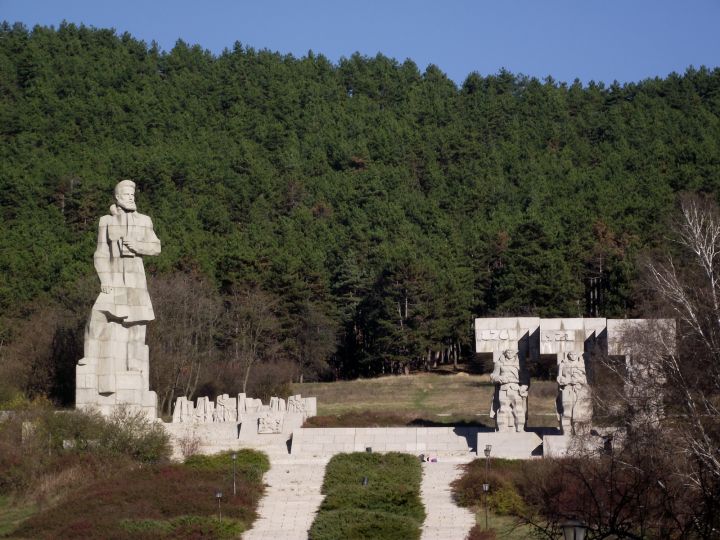
The union also cites a calendar found hidden in a wall of Hristo Botev’s lodgings in Romania, with 5 August marked as “the day Hadzhi Dimitar died”. The Bulgarian Wikipedia says that, according to some research, he died on Kadrafil, and calls the grave there the only known grave of Hadzhi Dimitar. It took its present form in 1934, designed and made by Dragolyub Ostoich, father of the sculptor Dimitar Ostoich.1,2
Where Hadzhi Dimitar died is disputed. The Bulgarian Tourist Union presents the Kadrafil version as backed by family memory and the Botev calendar, and the Bulgarian Wikipedia says only “according to some research”.1,2
The memorial hike
Brezovo municipality organises the national hike “The Last Road of Hadzhi Dimitar”, which is in the union’s national calendar. It starts on Buzludzha, passes through Enina, Viden and Turia and ends on Kadrafil, where a ceremony in his honour is held on the third and last day, the first Saturday of August.1
Svezhen and the Serafimov House
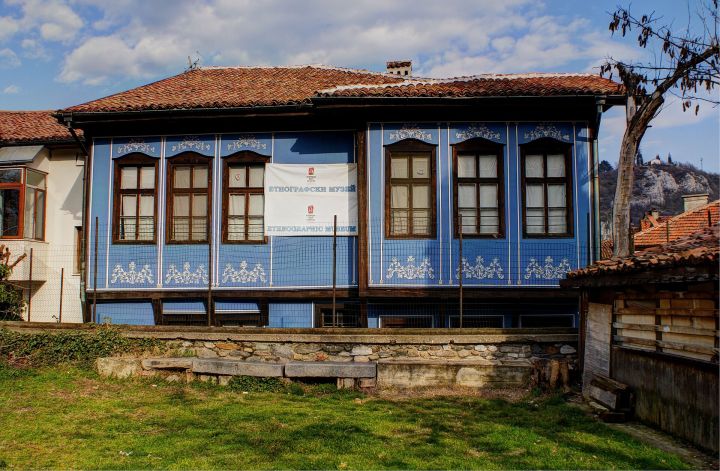
Svezhen was declared an architectural and historic reserve in 1987. After the village was burnt in 1877, about 100 of its more than 1,200 houses survived. The union says the hundred listed houses form three ensembles and five of them are of national importance. The NSI counted 147 people in the village at the end of 2025.3,4
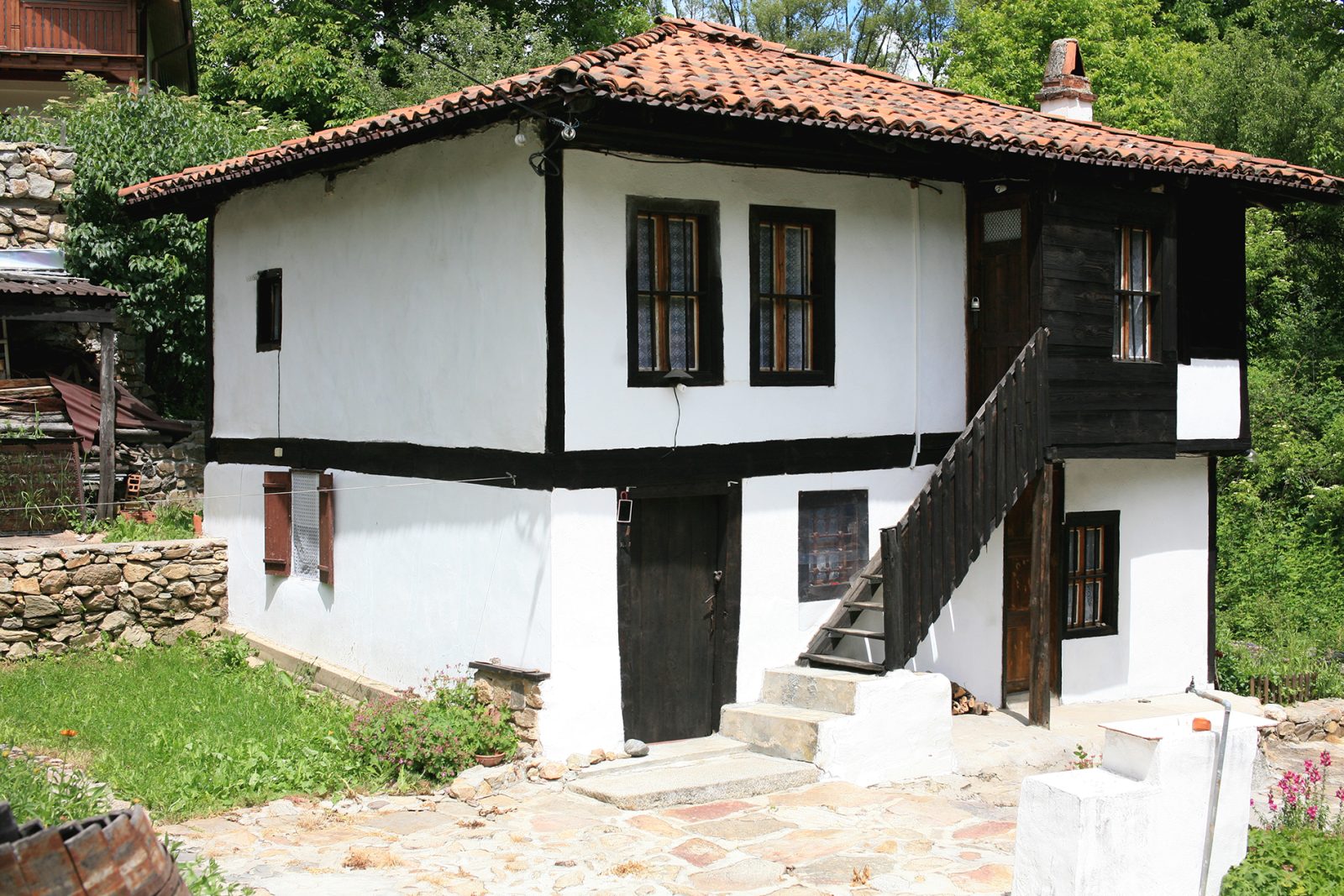
One of the finest houses open to visitors is the birth house of Colonel Vladimir Serafimov (1860–1934), whom the union calls the liberator of the Rhodopes. A hiding place of Vasil Levski survives in the house.3,4
The interactive information centre stands between the house and the old church, which the union names as Saint George and the seat of the Adzhar literary school. The Bulgarian Wikipedia dates the school, in Adzhar, the old name of Svezhen, to the 16th–17th centuries; its scribes copied and bound mainly church books.3,4
Tickets and opening hours
| Place | Hours | Entry |
|---|---|---|
| Information centre, Svezhen | Monday to Thursday 8:00–16:30, Friday 8:00–17:00, weekends 9:00–17:00 | Free |
| Colonel Serafimov House Museum | Every day 9:00–17:00 | Free |
| Kadrafil peak | Open ground | Free |
Source: Bulgarian Tourist Union: Kadrafil peak, the grave of Hadzhi Dimitar (100 National Tourist Sites, in Bulgarian); Bulgarian Tourist Union: Colonel V. Serafimov House Museum1,3
The No. 44c stamp
Kadrafil and the Serafimov House share No. 44c in “Know Bulgaria – 100 National Tourist Sites”, the movement the Bulgarian Tourist Union started in 1966. Walkers collect a stamp at each site in a booklet: 25 stamps earn a bronze badge, 50 a silver badge and all 100 a gold badge with a certificate. For both places the stamp is kept at the information centre in Svezhen.1,3,5
More stamps nearby
- No. 44: the Vasil Levski National Museum, Karlovo.
- No. 44a: the Karlovo History Museum.
- No. 67: the Starosel Thracian tomb.
- No. 71: the Peyo Yavorov House and Zlatna Livada monastery, Chirpan.
Source: Bulgarian Tourist Union: 100 National Tourist Sites5
For the area, see the Plovdiv province page.
Frequently Asked Questions
Is Hadzhi Dimitar buried on Kadrafil?
The Bulgarian Wikipedia calls the grave on Kadrafil his only known grave, and local tradition says he died there in August 1868; the place of his death is disputed.
How high is Kadrafil?
882 m, in Sarnena Sredna Gora between Svezhen and Mrachenik.
Where do I get the No. 44c stamp?
At the interactive information centre in the village of Svezhen.
Is there an entry fee?
No. The Bulgarian Tourist Union lists free entry for the peak and the Serafimov House.
Which tourist-site number is Kadrafil?
No. 44c in the Bulgarian Tourist Union’s 100 National Tourist Sites.
Sources
- Bulgarian Tourist Union: Kadrafil peak, the grave of Hadzhi Dimitar (100 National Tourist Sites, in Bulgarian)
- Wikipedia (Bulgarian): Kadrafil
- Bulgarian Tourist Union: Colonel V. Serafimov House Museum (in Bulgarian)
- Wikipedia (Bulgarian): Svezhen
- Bulgarian Tourist Union: 100 National Tourist Sites (in Bulgarian)
Figures checked 12 November 2026. Information only, not investment, tax or legal advice.