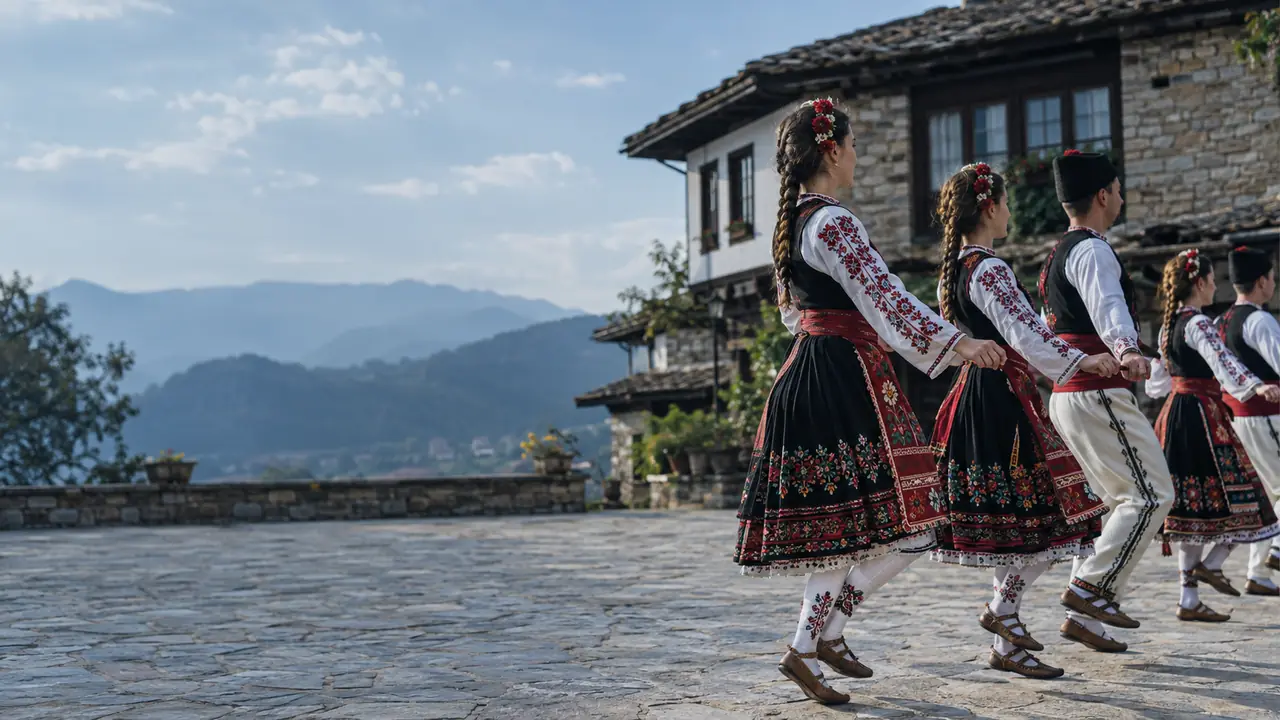
Bulgarian Traditions and Customs
Through the year
| When | Tradition |
|---|---|
| 13–14 January | Kukeri and Surva: masked dancers chase away evil spirits |
| The Sunday before Lent | Sirni Zagovezni: Cheesefare Sunday, the eve of Lent |
| 1 March | Baba Marta: red and white martenitsi for health |
| 3 March | Liberation Day, the national holiday |
| The weekend before Easter | Lazarovden and Tsvetnitsa, Palm Sunday |
| Spring, moveable | Easter, the greatest feast of the Orthodox year |
| 24 May | The day of Bulgarian culture and the Slavonic alphabet |
| 3–4 June | Nestinarstvo: fire dancing in Strandzha |
| 24 June | Enyovden: midsummer and the gathering of herbs |
| 6 December | Nikulden: St Nicholas’ Day, with fish, usually carp |
| 20 December | Ignazhden: St Ignatius’ Day |
| 24–25 December | Christmas Eve and Christmas: a meatless supper on Christmas Eve |
| All year | Name days: celebrating the saint you are named after |
Source: Wikipedia: Public holidays in Bulgaria; UNESCO: Nestinarstvo, the panagyr of Saints Constantine and Helena in the village of Bulgari; UNESCO: Surova folk feast in Pernik region; UNESCO: Cultural practices associated to the 1st of March; Wikipedia: Kukeri; Wikipedia: Bulgarian cuisine; Wikipedia: Cheesefare Sunday; Wikipedia: Enyovden1,2,3,4,5,6,7,8
Living heritage
UNESCO lists the Nestinarstvo fire dancing of the village of Bulgari, the Surova winter masquerades of the Pernik region and the cultural practices of 1 March, shared with Moldova, North Macedonia and Romania, as intangible cultural heritage of humanity.2,3,4
Frequently Asked Questions
Which Bulgarian traditions are on UNESCO’s intangible cultural heritage list?
UNESCO recognises Nestinarstvo fire dancing in Bulgari, the Surova winter masquerades in the Pernik region, and the cultural practices of 1 March, shared with Moldova, North Macedonia and Romania. They were added to the list in 2009, 2015 and 2017 respectively.
What happens during Kukeri and Surva in Bulgaria?
Kukeri and Surva are Bulgarian winter customs in which masked dancers chase away evil spirits on 13–14 January. The Surova folk feast is held annually in the Pernik region.
What is Baba Marta in Bulgaria?
Baba Marta is observed on 1 March, when people exchange red-and-white martenitsi for health. The cultural practices associated with 1 March were added to UNESCO’s intangible cultural heritage list in 2017.
When is Sirni Zagovezni in Bulgaria in 2026?
Sirni Zagovezni falls on 22 February in 2026. It is a day of forgiveness and family customs, when people eat the last dairy foods before Lent.
Traditions through the year
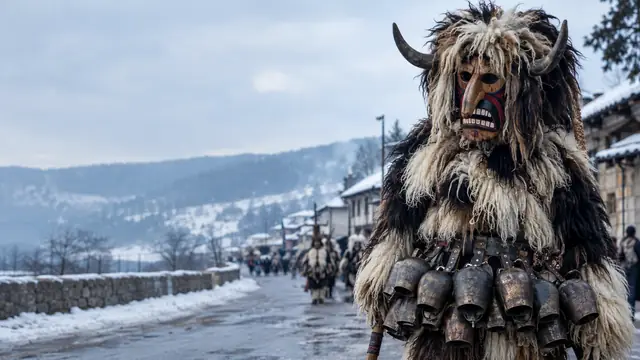
Kukeri and Surva
Discover the Kukeri tradition and the Surva masquerade festival in Pernik.
13–14 Jan Annual Surova folk feast in the Pernik region
Read more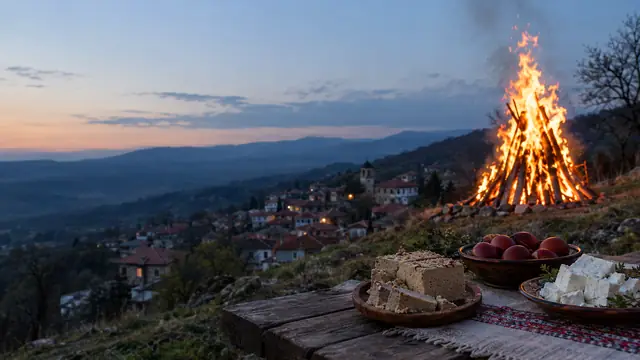
Sirni Zagovezni
A Bulgarian day of forgiveness, family customs and the last dairy foods before Lent.
22 Feb Orthodox date in 2026
Read more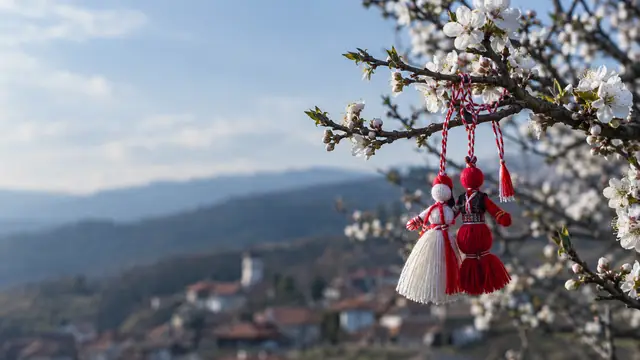
Baba Marta
Discover the red-and-white thread tradition of 1 March.
1 March The traditional start of spring
Read more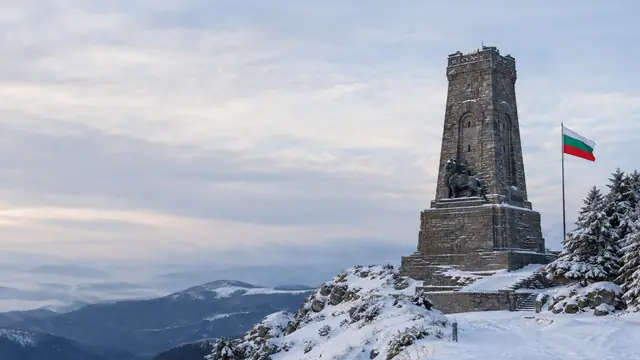
Liberation Day
Bulgaria marks its liberation and honours those who fought for it every 3 March.
3 March Bulgaria’s national holiday
Read more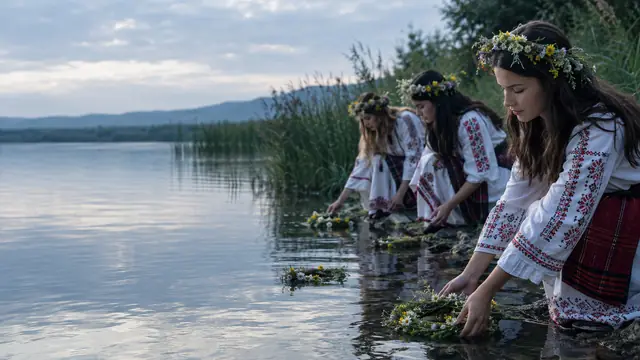
Lazarovden and Tsvetnitsa
Discover the Christian feasts and folk customs of Tsvetnitsa and Lazarovden.
5 April 2026 Tsvetnitsa in 2026
Read more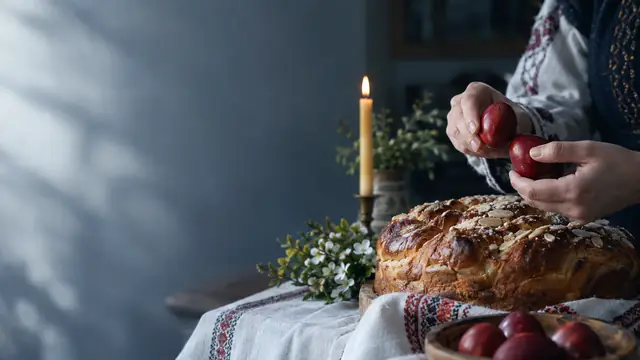
Easter
Discover Bulgaria’s Easter services, red eggs and family traditions.
2 May 2027 Eastern Easter in 2027
Read more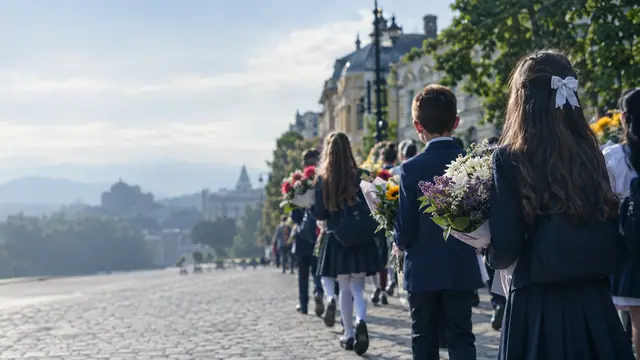
Culture Day, 24 May
A Bulgarian public holiday for the alphabet, education and culture.
24 May Annual date, in the new style
Read more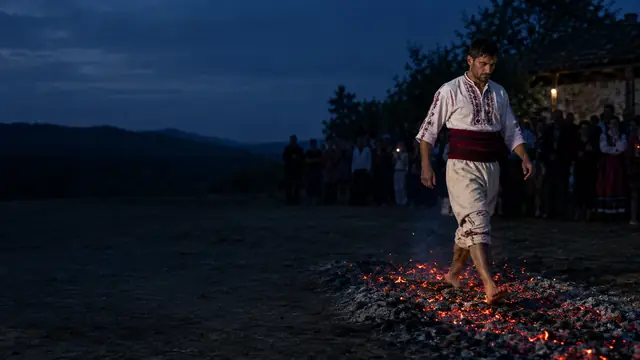
Nestinarstvo
Learn about Nestinarstvo, the fire-dancing rite of Strandzha.
3–4 June Panagyr feast days in Bulgari
Read more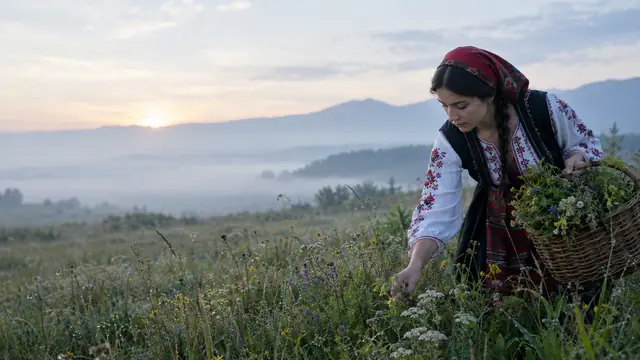
Enyovden
Discover Bulgaria’s 24 June traditions of herbs, water and midsummer.
24 June Date observed in Bulgaria
Read more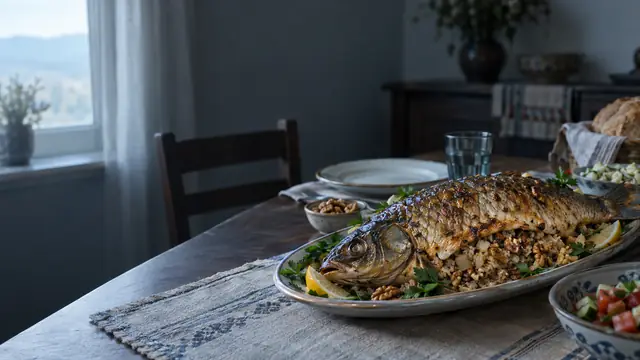
Nikulden
Bulgaria’s St Nicholas Day brings fish, family gatherings and name-day visits.
6 December Date in churches using the Gregorian calendar
Read more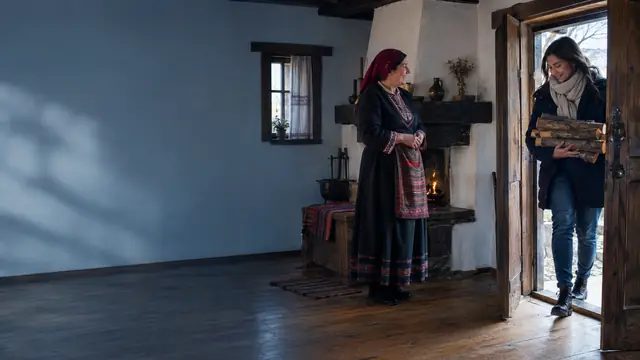
Ignazhden
Meet the first-visitor customs of Bulgaria’s Ignazhden.
20 Dec Orthodox feast day
Read more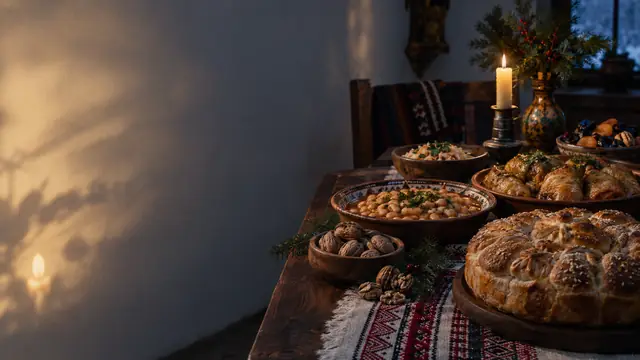
Christmas
Discover Bulgarian Christmas Eve customs, food and carolling.
24 Dec Christmas Eve
Read more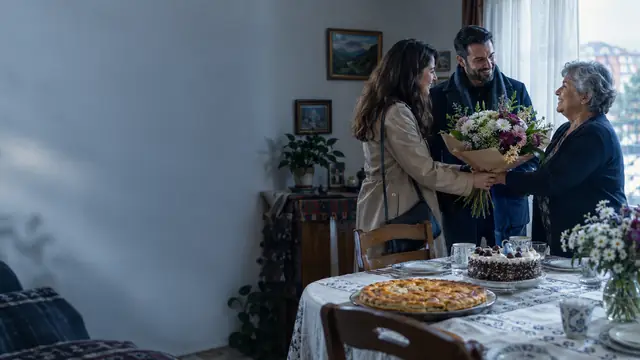
Name days
A Bulgarian tradition linking names, feast days and open-door celebrations.
6 May St George’s Day, one of Bulgaria’s most popular name days
Read more
Sources
- Wikipedia: Public holidays in Bulgaria
- UNESCO: Nestinarstvo, the panagyr of Saints Constantine and Helena in the village of Bulgari
- UNESCO: Surova folk feast in Pernik region
- UNESCO: Cultural practices associated to the 1st of March
- Wikipedia: Kukeri
- Wikipedia: Bulgarian cuisine
- Wikipedia: Cheesefare Sunday
- Wikipedia: Enyovden
Facts checked 13 October 2026. Prepared by InvestBulgaria for general information.
