The Energy Sector in Bulgaria
The electricity mix
In 2023 Bulgaria generated 40.3 TWh: nuclear 40%, coal 29%, solar 9%, hydro 8%, gas and biofuels 5% each and wind 4%. Net exports were 3.3 TWh.3
The mix is changing fast. Renewables now provide nearly 33.4% of electricity. Solar caught up with coal in August 2026, and in September it supplied 21.6% against coal’s 20.52%.1
Source: World Nuclear Association: Nuclear power in Bulgaria (17 February 2026)3
Solar and batteries
- Solar capacity has grown about 600% since 2020 to around 7 GW. Total renewable capacity was 10.04 GW in 2025.
- Bulgaria was the EU’s third-largest battery storage market in 2025, behind Germany and Italy, with 9% of new EU installations.
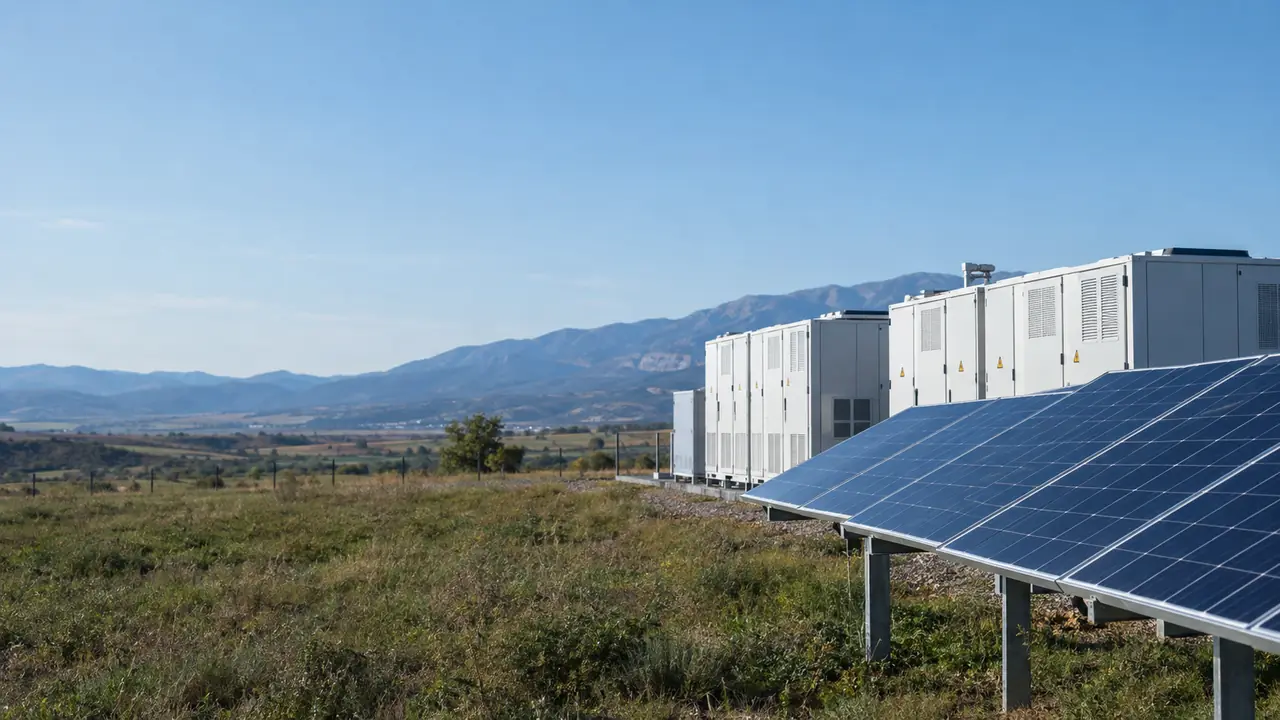
- Battery storage is approaching 6 GW / 17 GWh. Batteries delivered 1,720 GWh to the grid from January to early October 2026, nine times more than a year earlier.
- Green electricity output rose 34% in the first nine months of 2026 and consumption 8%.
Source: Balkan Green Energy News: Bulgaria’s net power exports jump 62% (12 October 2026); BTA: Bulgaria advances from carbon-intensive economy to energy storage leader (16 June 2026); Capital: Bulgaria produced 34% more green electricity (12 October 2026)2,4,1
Nuclear power
Kozloduy units 5 and 6, 1,003 MW each, produce about 40% of Bulgaria’s electricity. Their licences have been extended towards 60 years of operation, Westinghouse supplies fuel under a 2022 contract, and the energy strategy includes two new units at Kozloduy. The Belene project was cancelled in October 2023.3
Where investment is going next
Installed wind capacity is only 716 MW, and no large wind farm has been built since 2013. The industry estimates that wind and storage could attract more than €4 billion of private investment by 2030 if rules stay predictable. The 2030 target is a 49.34% renewable share of electricity.2,4
Frequently Asked Questions
What is Bulgaria’s electricity mix?
Bulgaria generated 40.3 TWh of electricity in 2023: nuclear supplied 40%, coal 29%, solar 9%, hydro 8%, natural gas 5%, biofuels and waste 5%, and wind 4%. Net electricity exports were 3.3 TWh.
How much solar and battery storage capacity does Bulgaria have?
In October 2026, Bulgaria had approximately 7,200 MW of installed solar capacity and about 6 GW / 17 GWh of battery storage capacity.
How much electricity does Bulgaria export?
Bulgaria’s net power exports reached 3.5 TWh from January to early October 2026, an increase of 62%.
How much electricity does Kozloduy nuclear power station produce for Bulgaria?
Kozloduy nuclear power station produces about 40% of Bulgaria’s electricity. Its units 5 and 6 each have a capacity of 1,003 MW, and their licences have been extended towards 60 years of operation.
What is the investment potential for wind power in Bulgaria?
Bulgaria has 716 MW of installed wind capacity, and no large wind farm has been built since 2013. The industry estimates that wind and storage could attract more than €4 billion of private investment by 2030 if rules stay predictable; the 2030 renewable electricity target is 49.34%.
Sources
- Capital: Bulgaria produced 34% more green electricity (12 October 2026)
- Balkan Green Energy News: Bulgaria’s net power exports jump 62% (12 October 2026)
- World Nuclear Association: Nuclear power in Bulgaria (17 February 2026)
- BTA: Bulgaria advances from carbon-intensive economy to energy storage leader (16 June 2026)
Figures checked 13 October 2026. Prepared by InvestBulgaria for general information. It is not investment, tax or legal advice; please confirm details with a qualified adviser before acting.