National Tourist Site
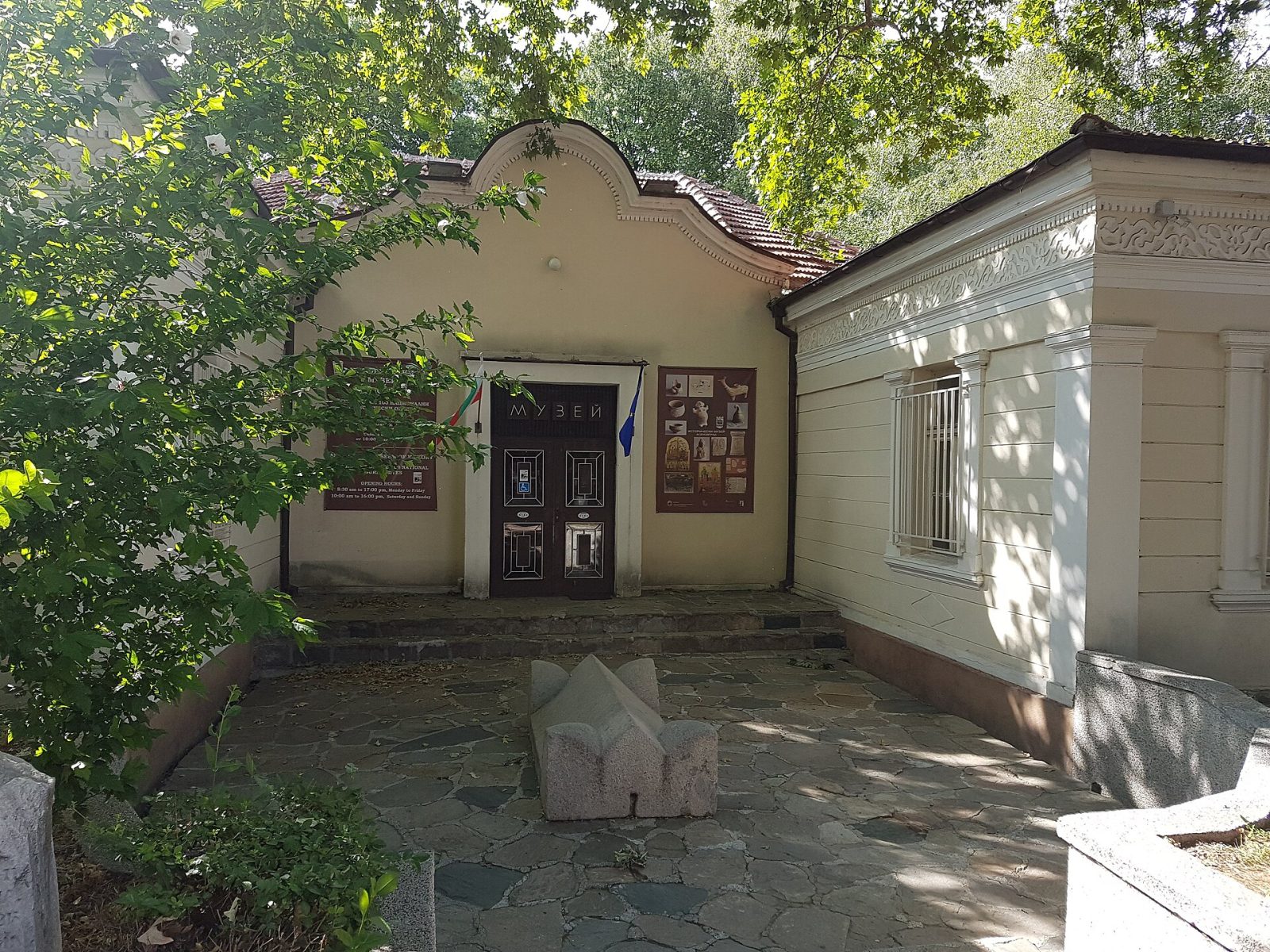
About Asenovgrad History Museum
At a glance
| Tourist site | No. 47a, History Museum, Asenovgrad |
|---|---|
| Building | The former Military Club of 1895 in the town centre, the museum’s home since 1971 |
| Exhibition | About 1,000 items on 200 m² in three halls |
| Opening hours | Monday to Friday 8:30–17:00, weekends 10:00–16:00 |
| Website | asmuseum.com |
Source: Bulgarian Tourist Union: History Museum, Asenovgrad (100 National Tourist Sites, in Bulgarian); Wikipedia (Bulgarian): History Museum (Asenovgrad)1,2
For the town, see our Asenovgrad guide.
History of the museum
The museum opened on 9 September 1955. It grew out of the collection of the archaeological society “Svarog”, founded in 1926 in the building of the local high school. In 1971 it moved to the former Military Club, built in 1895 and repaired for the museum. Its displays are divided into archaeology, ethnography, the 15th–19th centuries, and modern and recent history.2
What to see
| Period | Highlights |
|---|---|
| Prehistory | Neolithic pottery from the settlement mound at Muldava, Chalcolithic idols from the mound at Ruen and Bronze Age tools |
| Antiquity | Votive tablets of Greek and Roman gods and the Thracian Horseman, a Roman-era chariot and a large coin collection |
| Idols | Fine figures from prehistory and antiquity, such as a statue of the Mother Goddess and a three-dimensional figure of Telesphorus |
| Church history | Icons, church plate, early printed books and archives on the church and the monasteries around the town |
| Asen’s Fortress | Kitchen, table and decorated pottery, cult objects, jewellery and weapons from the excavations |
Source: Bulgarian Tourist Union: History Museum, Asenovgrad (100 National Tourist Sites, in Bulgarian)1
The Bulgarian Tourist Union says the museum presents Asenovgrad as a place of cult and worship from the deepest past to today. The union’s page for Asen’s Fortress notes that the town is called “Little Jerusalem” for its nine working churches, 42 chapels and five monasteries in the area.1,4
Tickets and opening hours
| Ticket | Price |
|---|---|
| Adults | 1.50 leva |
| Pupils and pensioners | 1 lev |
| Family | 3 leva |
| Guided talk | 4 leva |
Source: Bulgarian Tourist Union: History Museum, Asenovgrad (100 National Tourist Sites, in Bulgarian)1
The union lists prices in leva, the currency before the euro, so they may be out of date. Checked in November 2026.1
The No. 47a stamp
The museum is site No. 47a in “Know Bulgaria – 100 National Tourist Sites”, the movement the Bulgarian Tourist Union started in 1966. Walkers collect a stamp at each site in a booklet: 25 stamps earn a bronze badge, 50 a silver badge and all 100 a gold badge with a certificate.3
More stamps nearby
- No. 47: Asen’s Fortress, above the town.
- No. 47b: the Bachkovo Monastery.
- No. 42: the Perushtitsa History Museum.
- No. 41: the Roman theatre and the Old Town museums, Plovdiv.
Source: Bulgarian Tourist Union: 100 National Tourist Sites3
For the area, see the Plovdiv province page.
Frequently Asked Questions
What period does the museum cover?
The Bulgarian Tourist Union says it follows the town and region from 7000 BC to the present.
Are finds from Asen’s Fortress on show?
Yes. Pottery, cult objects, jewellery and weapons from the excavations have a central place in the exhibition.
Is it open at weekends?
Yes, 10:00–16:00 on Saturdays and Sundays.
How much is a ticket?
The Bulgarian Tourist Union lists 1.50 leva for adults and 1 lev for pupils and pensioners.
Which tourist-site number is the Asenovgrad museum?
No. 47a in the Bulgarian Tourist Union’s 100 National Tourist Sites.
Sources
- Bulgarian Tourist Union: History Museum, Asenovgrad (100 National Tourist Sites, in Bulgarian)
- Wikipedia (Bulgarian): History Museum (Asenovgrad)
- Bulgarian Tourist Union: 100 National Tourist Sites (in Bulgarian)
- Bulgarian Tourist Union: Asen’s Fortress (in Bulgarian)
Figures checked 12 November 2026. Information only, not investment, tax or legal advice.