National Tourist Site
About Samokov History Museum and Convent
At a glance
| Site | Address | Hours listed by the Bulgarian Tourist Union |
|---|---|---|
| History Museum | 4 Professor Vasil Zahariev Street, Samokov | Tuesday to Saturday 8:30–12:00 and 13:00–17:30; closed Sunday and Monday |
| Pokrov Bogorodichen Convent | 77 Tsar Boris Street, Samokov | Every day 7:30–18:00; free entry |
Source: Bulgarian Tourist Union: History Museum, Samokov (100 National Tourist Sites, in Bulgarian); Bulgarian Tourist Union: Convent, Samokov1,2
The History Museum
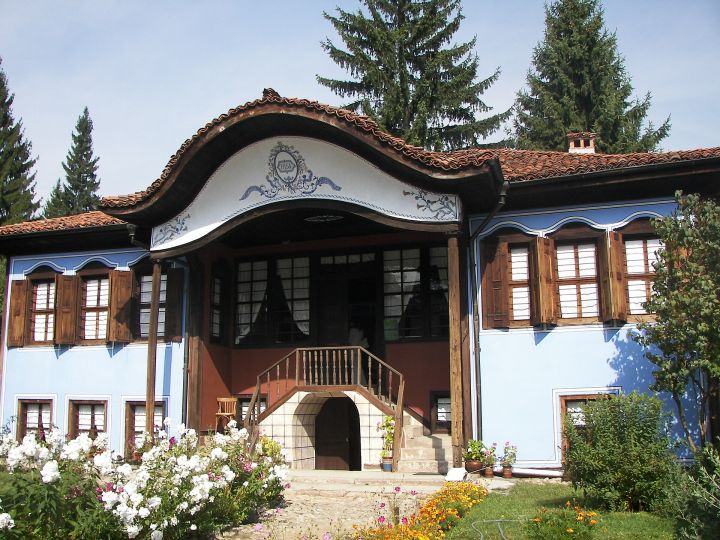
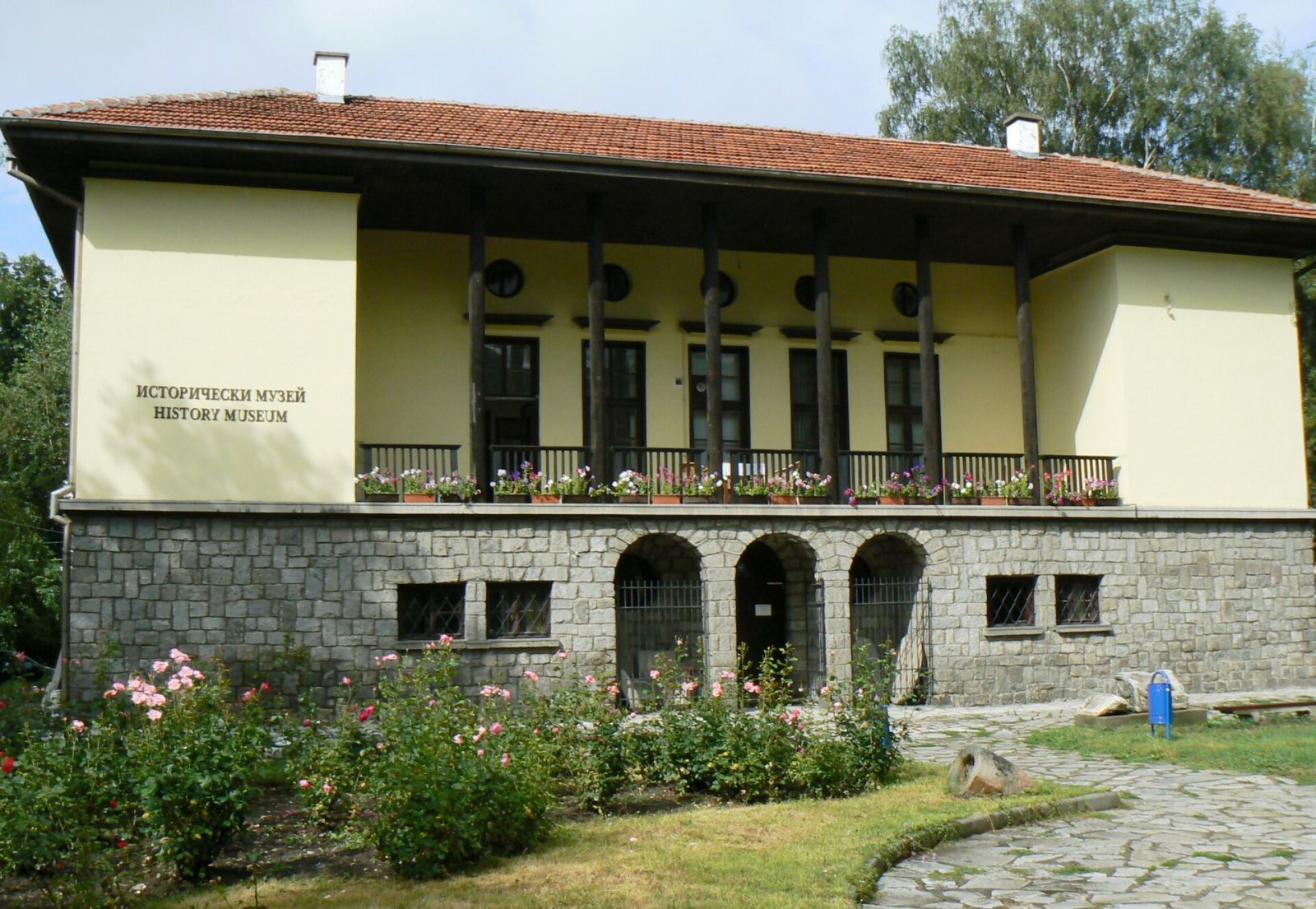
The museum was set up in 1930 as a collection of the Otets Paisiy community centre, on the idea of the Samokov artists Naum Hadzhimladenov, Vasil Zahariev, Hristo Yonchev-Kriskarets, Pavel Frantsaliyski, Slavi Genev and Georgi Belstoynev. The Ministry of Education approved it officially in 1936. Its own building was designed by the architect Yurdan Yurdanov.1,3
The Bulgarian Tourist Union says the building was built in 1940. The Bulgarian Wikipedia says Bogdan Filov broke ground in 1940, that the museum has been in the building since 1943 and that the building was only finished after the Second World War.1,3
What to see in the museum
The collections show that the town grew up around iron. According to the union, Samokov masters learned from Saxon miners, called “sasi”, and built furnaces (vidni), smithies (madani) and large water-driven hammers called “samokovi”, which gave the town its name.1
- Ethnography: jewellery, pottery, woodcarving, costumes and textiles, and wrought iron.
- Archaeology: mainly Thracian and late Roman finds, including a large group of cult pottery from pit sanctuaries found on the shore of the Iskar reservoir during a low water level, dated to the 1st century BC.
- Art: icons, prints, manuscripts and paintings by almost all the masters of the Samokov school, with personal belongings, icons and pictures of Zahari Zograf and his portrait of a Greek girl.
- A weapons collection and an art gallery; the Bulgarian Wikipedia counts about 3,500 works of art.
Source: Bulgarian Tourist Union: History Museum, Samokov (100 National Tourist Sites, in Bulgarian); Wikipedia (Bulgarian): History Museum (Samokov)1,3
The Pokrov Bogorodichen Convent
The working convent of the Protection of the Mother of God, in the Eparchy of Sofia, stands in the town itself and is known as “Babite”. In the mid-19th century more than 100 nuns and novices lived here. The large stone church was built in 1837–1839; Samokov masters carved its gilded iconostasis and Dimitar Zograf painted the icons. The best-known image is the wall painting in the narthex of the Virgin spreading her protecting veil over the town, by Zahari Zograf according to the union and attributed to him by specialists according to the Bulgarian Wikipedia.2,4
The convent keeps manuscripts, early printed books and relics brought from Mount Athos in the 19th century. Its feast day is 1 October, the Protection of the Mother of God. The Hadzhistamov house, joined to the complex, now serves as the kitchen, and the nuns run a kitchen for the poor.4
The sources differ on the founding. The Bulgarian Tourist Union calls the convent a metochion of the Rila Monastery founded by Baba Fota, the grandmother of Konstantin Fotinov, who gave her house and property to the Rila Monastery. The Bulgarian Wikipedia says it was founded in 1772 as a convent metochion of the Hilandar Monastery, and links the founding with Baba Fota and with a legend of the Virgin saving the town.2,4
Tickets and opening hours
| Ticket | Price listed by the Bulgarian Tourist Union |
|---|---|
| History Museum: adults | 6 leva |
| History Museum: pupils, students and pensioners | 4 leva |
| History Museum: people with disabilities and children under 6 | Free |
| History Museum: guided talk | 10 leva |
| Convent | Free |
Source: Bulgarian Tourist Union: History Museum, Samokov (100 National Tourist Sites, in Bulgarian); Bulgarian Tourist Union: Convent, Samokov1,2
Museum phone: 0722 66712 or 0889 849102 (curators). Convent phone: +359 722 6 42 61 or +359 886 56 27 54.1,2
The union lists prices in leva, the currency before the euro, so they may have changed. The Bulgarian Wikipedia gives the same museum hours but says that in summer the museum has no days off, while the union lists Sunday and Monday as closing days. Checked in November 2026.1,3
The No. 79 stamp
The museum and the convent share No. 79 in “Know Bulgaria – 100 National Tourist Sites”, the movement the Bulgarian Tourist Union started in 1966. Walkers collect a stamp at each site in a booklet: 25 stamps earn a bronze badge, 50 a silver badge and all 100 a gold badge with a certificate.5
More stamps nearby
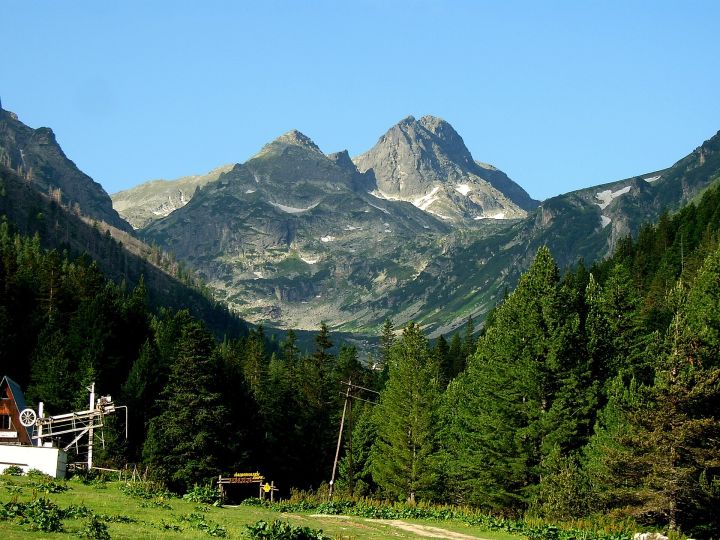
- No. 80: Musala Peak, above Borovets.
- No. 79a: Tsari Mali Grad, near Belchin.
- No. 79b: Trajan’s Gate and the Kostenets waterfall.
- No. 29: the Seven Rila Lakes.
Source: Bulgarian Tourist Union: 100 National Tourist Sites5
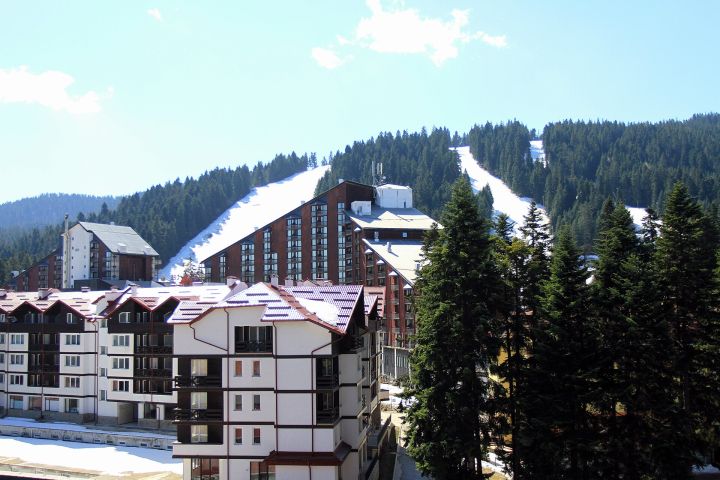
Borovets is 10 km away; see our Borovets guide and the Sofia Province page.
Frequently Asked Questions
Which sites share stamp No. 79?
The Samokov History Museum and the Pokrov Bogorodichen Convent in Samokov.
When is the museum open?
Tuesday to Saturday, 8:30–12:00 and 13:00–17:30, according to the Bulgarian Tourist Union; it lists Sunday and Monday as closing days.
How much is the museum ticket?
The union lists 6 leva for adults and 4 leva for pupils, students and pensioners. Entry to the convent is free.
Where does the name Samokov come from?
According to the union, from the large water-driven hammers called ‘samokovi’ used in the town’s iron workshops.
Which tourist-site number is Samokov?
No. 79 in the Bulgarian Tourist Union’s 100 National Tourist Sites.
Sources
- Bulgarian Tourist Union: History Museum, Samokov (100 National Tourist Sites, in Bulgarian)
- Bulgarian Tourist Union: Convent, Samokov (in Bulgarian)
- Wikipedia (Bulgarian): History Museum (Samokov)
- Wikipedia (Bulgarian): Samokov Pokrov Bogorodichen Convent
- Bulgarian Tourist Union: 100 National Tourist Sites (in Bulgarian)
Figures checked 12 November 2026. Information only, not investment, tax or legal advice.