National Tourist Site
About National Polytechnic Museum
At a glance
| Tourist site | No. 68a, “National Polytechnic Museum” |
|---|---|
| Address | 66 Opalchenska Street, Sofia |
| Open | Monday to Saturday, 9:00–17:00; ticket office until 16:30 |
| Closed | Sunday |
| Adult ticket | €7 |
| Public transport | Trolleybuses 1 and 5 and bus 74 to the Kiril i Metodiy Boulevard stop, 50 m away; Opalchenska metro station on line 1, 450 m away |
Source: Bulgarian Tourist Union: National Polytechnic Museum (100 National Tourist Sites, in Bulgarian); Wikipedia: National Polytechnical Museum1,2
History of the museum
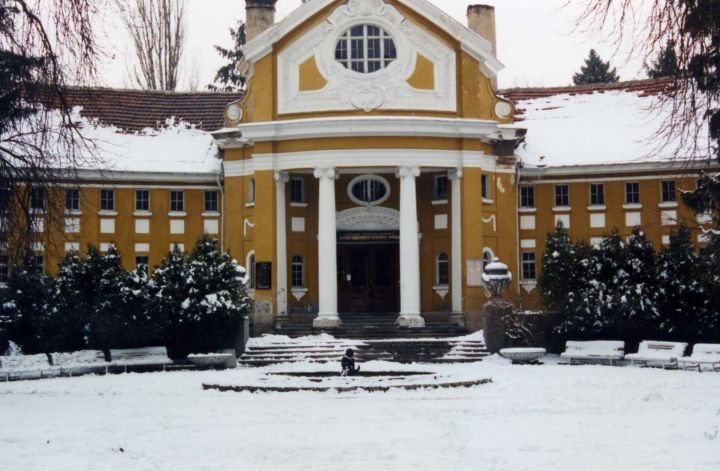
The museum was set up on 13 May 1957 by a decree of the Council of Ministers, at first under the Bulgarian Academy of Sciences, and was declared a national museum in 1968. Since 1992 it has been in a building that earlier housed a museum to Georgi Dimitrov; the English Wikipedia says the building was fully renovated in 2012.2
The museum also looks after the Pancharevo hydro power station, built in 1900 and declared a monument of technical culture. The Bulgarian Tourist Union calls it the first hydro power station in Bulgaria; the English Wikipedia says it started work on 1 November 1900 and powered Sofia’s trams, street lamps and several industries. Wikipedia also lists branches in Sliven, a textile museum, and in Kazanlak, a palace of physics.1,2
What to see
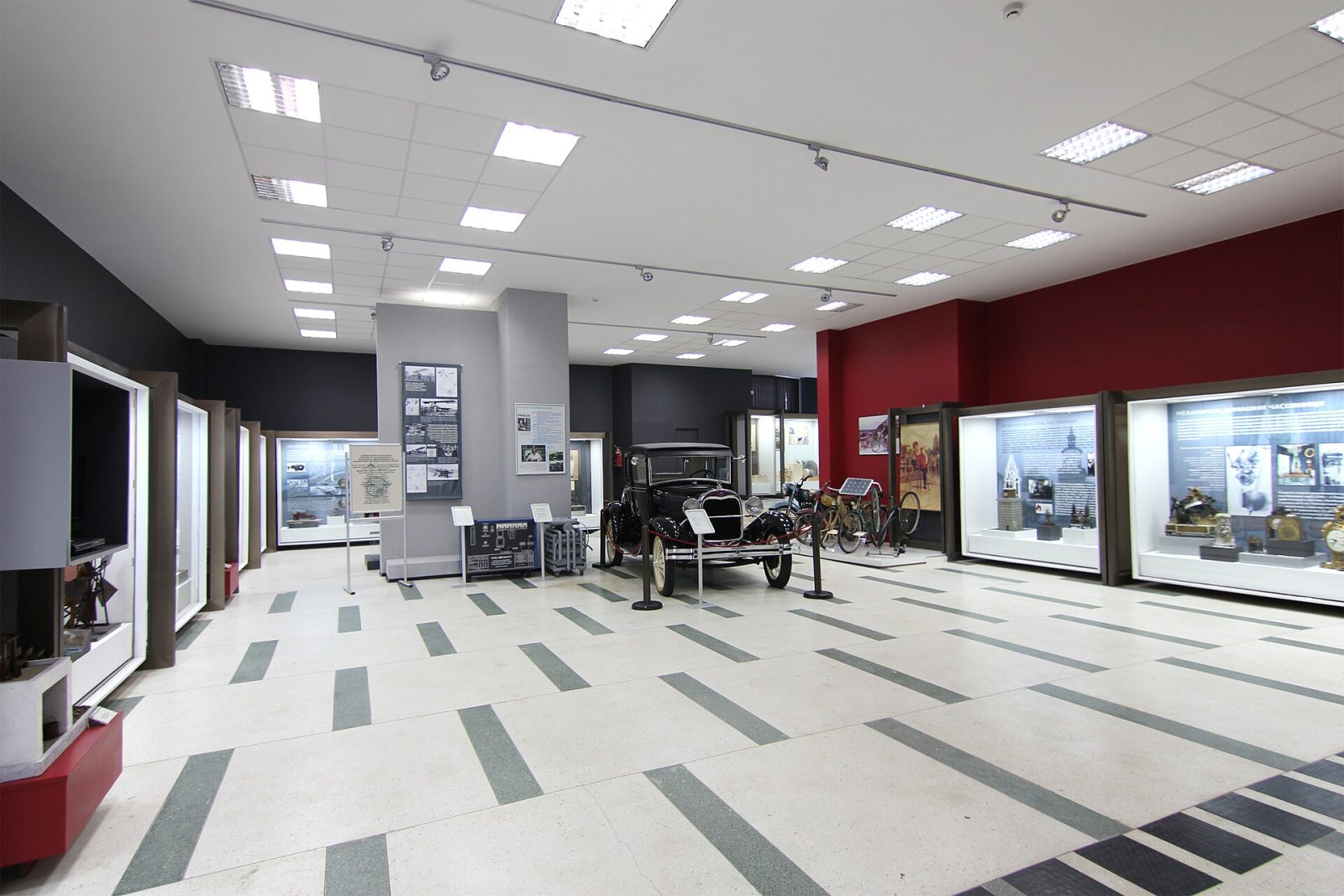
More than 1,000 exhibits are on show, on time measurement, mechanisms and engines, transport, photography and cinema, musical instruments and sound recording, communications, computing, typewriters and sewing machines, household appliances, radio and television.1
| Exhibit | Why it stands out |
|---|---|
| Dr Petar Beron’s telescope | Listed by the Bulgarian Tourist Union |
| An ampoule of the first germanium crystals | Made by Clemens Winkler, who discovered germanium |
| A phonograph from Edison’s company and clocks from the royal palace | Listed by the Bulgarian Tourist Union |
| The camera of the first television broadcast in Bulgaria | Listed by the Bulgarian Tourist Union |
| The first Bulgarian space instrument and the Bulgarian space greenhouse | From the Bulgarian space programme |
| Elka 22 (1965) and Pravets computers (1980s) | Bulgarian-made computing equipment |
| Ford Model A (1928), Fiat 509, Tatra 97, Messerschmitt KR200 | The car collection |
Source: Bulgarian Tourist Union: National Polytechnic Museum (100 National Tourist Sites, in Bulgarian); Wikipedia: National Polytechnical Museum1,2
The museum also runs science programmes for children: physics demonstrations, “Fun Science” for ages 9 to 13 and science workshops where children build working models.1
Tickets and opening hours
| Ticket | Price listed by the Bulgarian Tourist Union |
|---|---|
| Adults | €7 |
| Pupils, students and pensioners | €3 |
| Children aged 4–6 | €2 |
| Family, up to 2 adults with up to 3 children under 14 | €15 |
| Organised groups of more than 10, each | €2 |
| Guided tour in Bulgarian / in English or Spanish | €25 / €30 |
Source: Bulgarian Tourist Union: National Polytechnic Museum (100 National Tourist Sites, in Bulgarian)1
The museum opens Monday to Saturday from 9:00 to 17:00, with the ticket office open until 16:30, and is closed on Sunday. On Saturdays, talks and demonstrations are given only to groups of more than 10 who book at least two days ahead.1
The museum’s own website could not be checked for this guide, so the hours and prices come from the Bulgarian Tourist Union. Its page gives the euro prices above, but some of the leva amounts printed next to them do not match the euro figures.1
The No. 68a stamp
The museum is site No. 68a in “Know Bulgaria – 100 National Tourist Sites”, the movement the Bulgarian Tourist Union started in 1966. Walkers collect a stamp at each site in a booklet: 25 stamps earn a bronze badge, 50 a silver badge and all 100 a gold badge with a certificate.3
More stamps nearby
- No. 68: the National Archaeological Museum.
- No. 65a: the Sofia Synagogue.
- No. 61a: the National Palace of Culture.
- No. 58: the National History Museum, in Boyana.
Source: Bulgarian Tourist Union: 100 National Tourist Sites3
For the city itself, see our Sofia city guide.
Frequently Asked Questions
How much is a ticket to the Polytechnic Museum?
The Bulgarian Tourist Union lists €7 for adults, €3 for pupils, students and pensioners and €15 for a family.
Is the museum open on Sunday?
No. It opens Monday to Saturday from 9:00 to 17:00.
Can I see old Bulgarian computers?
Yes. The collection includes the Elka 22 of 1965 and Pravets computers from the 1980s.
Which tourist-site number is the Polytechnic Museum?
No. 68a in the Bulgarian Tourist Union’s 100 National Tourist Sites.
Sources
- Bulgarian Tourist Union: National Polytechnic Museum (100 National Tourist Sites, in Bulgarian)
- Wikipedia: National Polytechnical Museum
- Bulgarian Tourist Union: 100 National Tourist Sites (in Bulgarian)
Figures checked 11 November 2026. Information only, not investment, tax or legal advice.