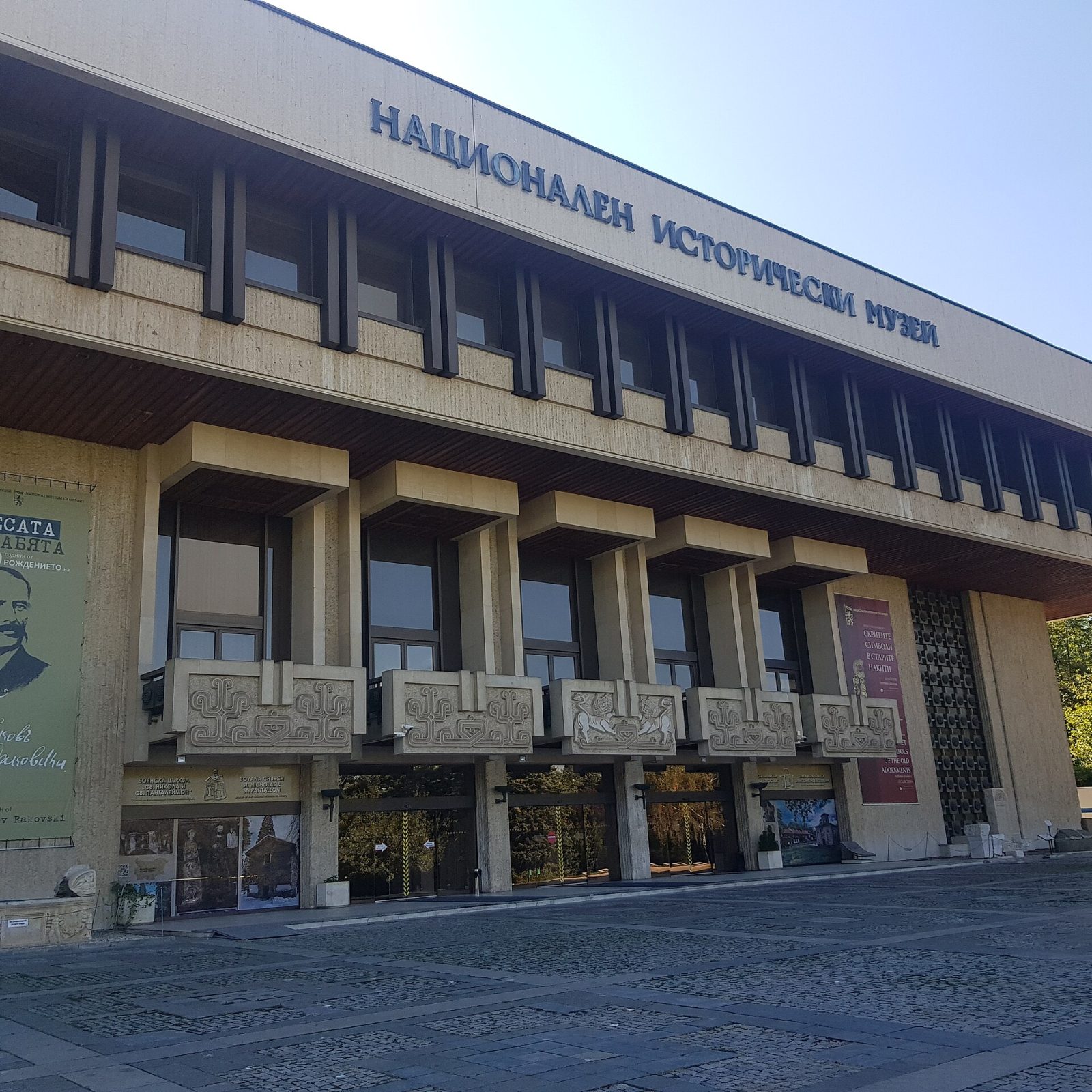
National Tourist Site
About National History Museum, Sofia
At a glance
| Tourist site | No. 58, “National History Museum” |
|---|---|
| Address | 16 Vitoshko Lale Street, Boyana district, Sofia |
| Winter, 1 October–31 March | Every day, 09:30–18:00; ticket office until 17:15 |
| Summer, 1 April–30 September | Every day, 09:30–19:00; ticket office until 18:15 |
| Closed | 1 January, Easter Sunday, 24 and 25 December |
| Adult ticket | €7.67; free on 18 May |
Source: Bulgarian Tourist Union: National History Museum (100 National Tourist Sites, in Bulgarian); National History Museum: Prices and working time1,2
History of the museum
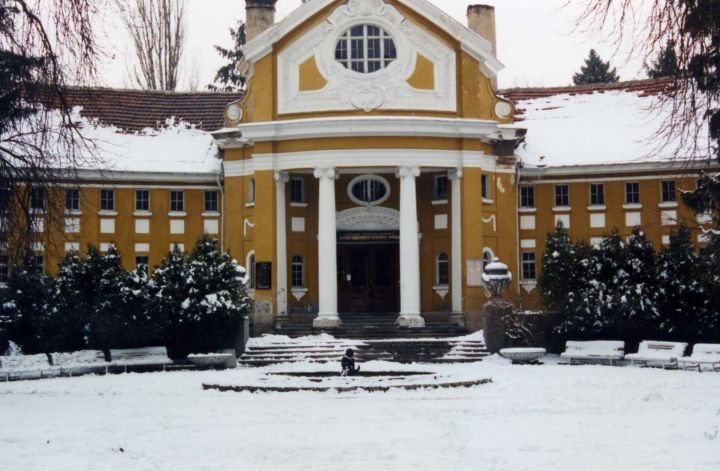
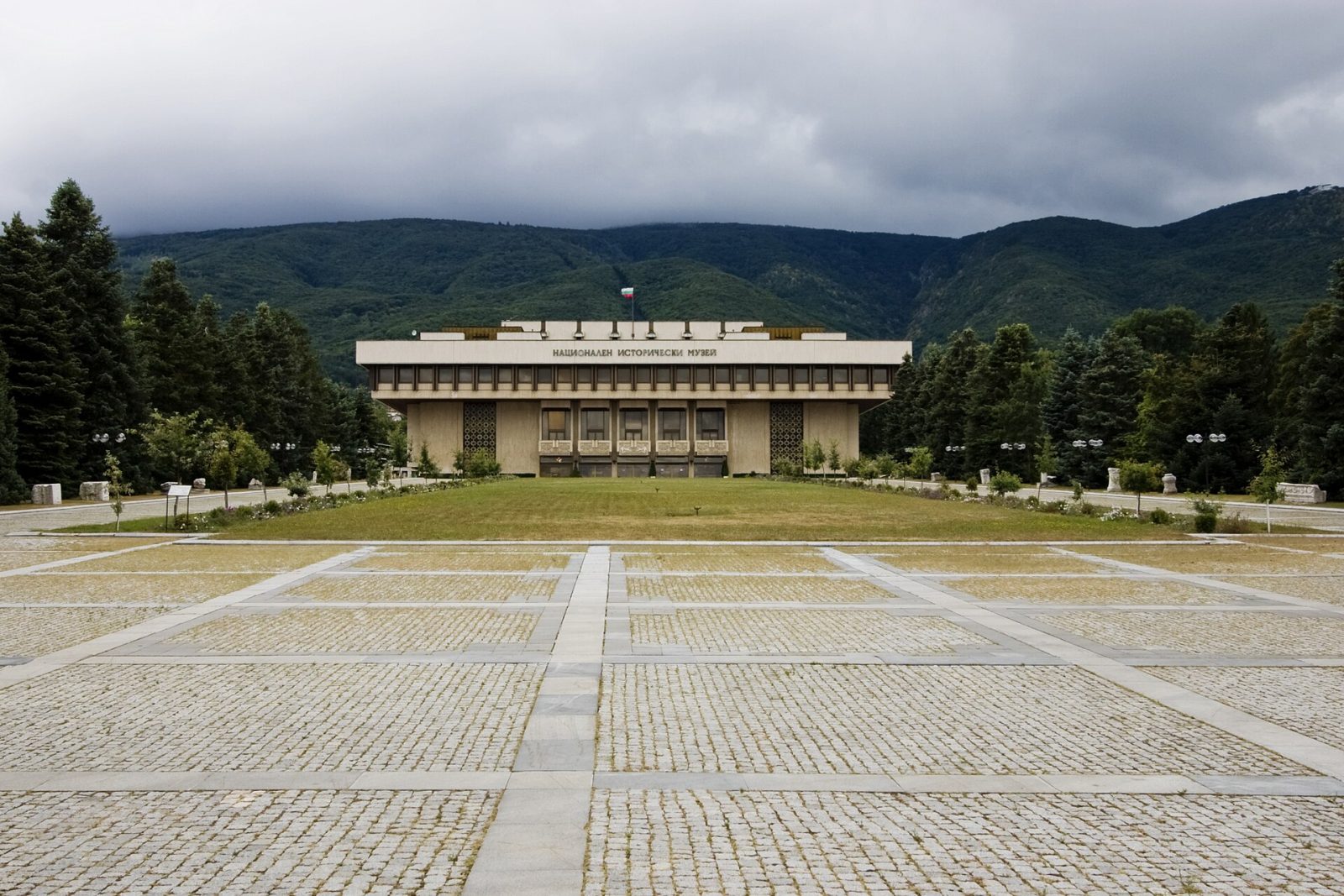
The museum was founded on 5 May 1973. Its first exhibition opened in 1984 in the Palace of Justice in central Sofia, for the 1,300th anniversary of the Bulgarian state; the English Wikipedia dates that opening to 2 March 1984. In 2000 the museum moved to the former Residence No. 1 of the government complex in Boyana, at the foot of Vitosha.1,3
What to see
The Bulgarian Tourist Union calls it the largest museum in Bulgaria and one of the largest in the Balkans. The halls follow the civilisations of the Bulgarian lands in chronological order, from about 6000 BC to the present, over a museum area of more than 10,000 square metres, with about 22,000 objects on display.1
| Hall | Period and highlights |
|---|---|
| 1 | Prehistory, 7th–2nd millennium BC: the Neolithic, Chalcolithic and Bronze Age, with a copy of the cave paintings of Magura |
| 2 | The Thracian period: the gold and silver treasures of Panagyurishte, Letnitsa, Borovo and part of Rogozen |
| 3 | The First and Second Bulgarian Kingdoms, with more than ten treasures of the rulers and aristocracy |
| 4 | Ottoman rule from 1396 to the Liberation in 1878, with the National Revival and its revolutionaries |
| 5 | Modern Bulgaria, from the Liberation to the present |
Source: Bulgarian Tourist Union: National History Museum (100 National Tourist Sites, in Bulgarian)1
The English Wikipedia says the Panagyurishte treasure is shown either as the original or as replicas, as it travels to other exhibitions. Ethnographic and temporary exhibitions are on the third floor.1,3
Collection figures differ: the Bulgarian Tourist Union gives more than 680,000 objects, and the English Wikipedia more than 650,000, of which about 10% are on permanent display.1,3
Tickets and opening hours
| Ticket | Price |
|---|---|
| Individual visitor | €7.67 |
| Pupils and students | €1.53 |
| Pensioners and visitors over 65 | €2.56 |
| Adult with children / children over 7 | €2.56 / €1.53 |
| Groups of 10 or more, each | €5.11 |
| Overview tour, 1.5 hours, in Bulgarian / in a foreign language | €10.23 / €17.90 |
Source: National History Museum: Prices and working time2
The museum is open every day: from 1 October to 31 March, 09:30 to 18:00, and from 1 April to 30 September, 09:30 to 19:00. It is closed on 1 January, Easter Sunday and 24 and 25 December. Entry is free on 18 May, International Museum Day, and on 17 September and 1 November for children, pupils and students.2
Tours in Bulgarian, English, French, German or Russian must be booked at least two weeks ahead, according to the Bulgarian Tourist Union. The museum also runs the Zemen Monastery of St John the Theologian, in Pernik Province.1
The No. 58 stamp
The museum is site No. 58 in “Know Bulgaria – 100 National Tourist Sites”, the movement the Bulgarian Tourist Union started in 1966. Walkers collect a stamp at each site in a booklet: 25 stamps earn a bronze badge, 50 a silver badge and all 100 a gold badge with a certificate.4
More stamps nearby
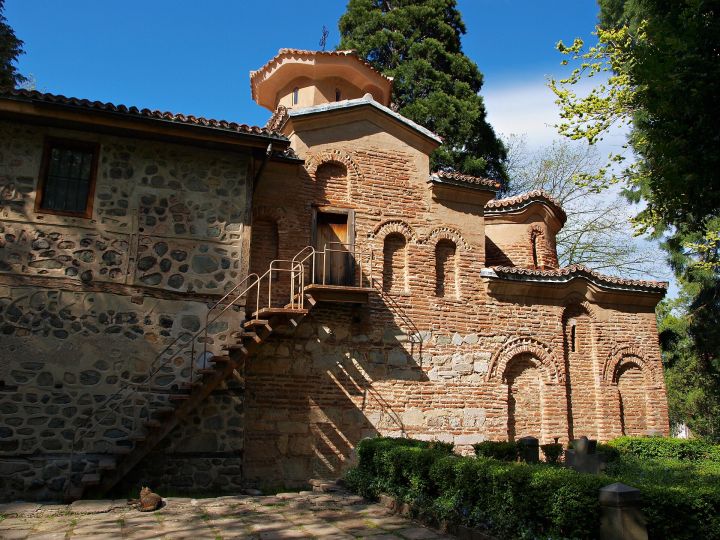
- No. 58a: the Boyana Church, also in Boyana and on the UNESCO World Heritage List.
- No. 74: Aleko hut, on Vitosha.
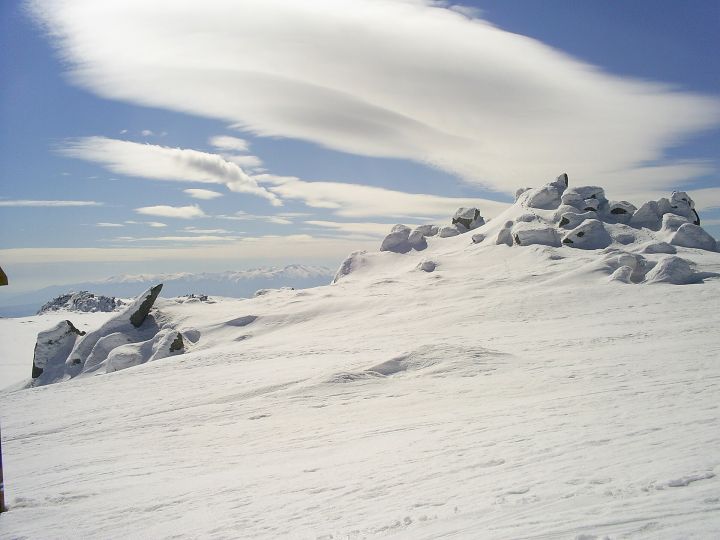
- No. 74a: Cherni Vrah, the summit of Vitosha.
- No. 68: the National Archaeological Museum, in the city centre.
Source: Bulgarian Tourist Union: 100 National Tourist Sites4
For the city itself, see our Sofia city guide.
Frequently Asked Questions
How much is a ticket to the National History Museum?
€7.67 for adults, €1.53 for pupils and students and €2.56 for pensioners and visitors over 65.
Is the museum open on Mondays?
Yes. It opens every day, 09:30 to 18:00 in winter and 09:30 to 19:00 in summer, except on 1 January, Easter Sunday and 24 and 25 December.
Where is the museum?
At 16 Vitoshko Lale Street in the Boyana district of Sofia, in the former government residence, not in the city centre.
Which tourist-site number is the National History Museum?
No. 58 in the Bulgarian Tourist Union’s 100 National Tourist Sites. The nearby Boyana Church is No. 58a.
Sources
- Bulgarian Tourist Union: National History Museum (100 National Tourist Sites, in Bulgarian)
- National History Museum: Prices and working time
- Wikipedia: National Historical Museum (Bulgaria)
- Bulgarian Tourist Union: 100 National Tourist Sites (in Bulgarian)
Figures checked 11 November 2026. Information only, not investment, tax or legal advice.