National Tourist Site
About National Ethnographic Museum
At a glance
| Tourist site | No. 62, “National Ethnographic Museum (IEFEM – BAS)” |
|---|---|
| Run by | The Institute of Ethnology and Folklore Studies with Ethnographic Museum, Bulgarian Academy of Sciences |
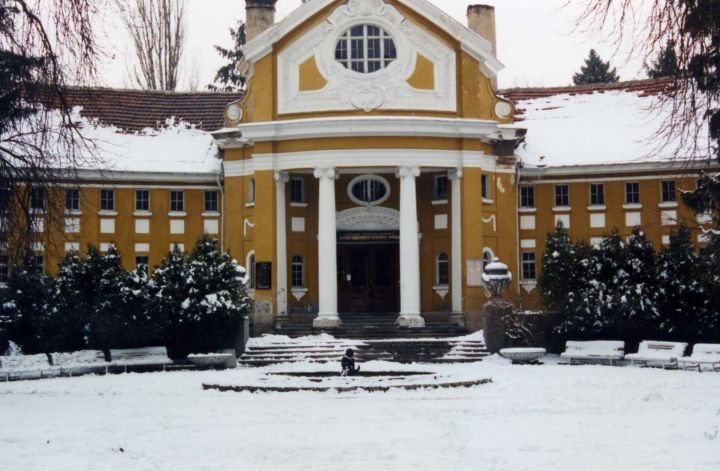
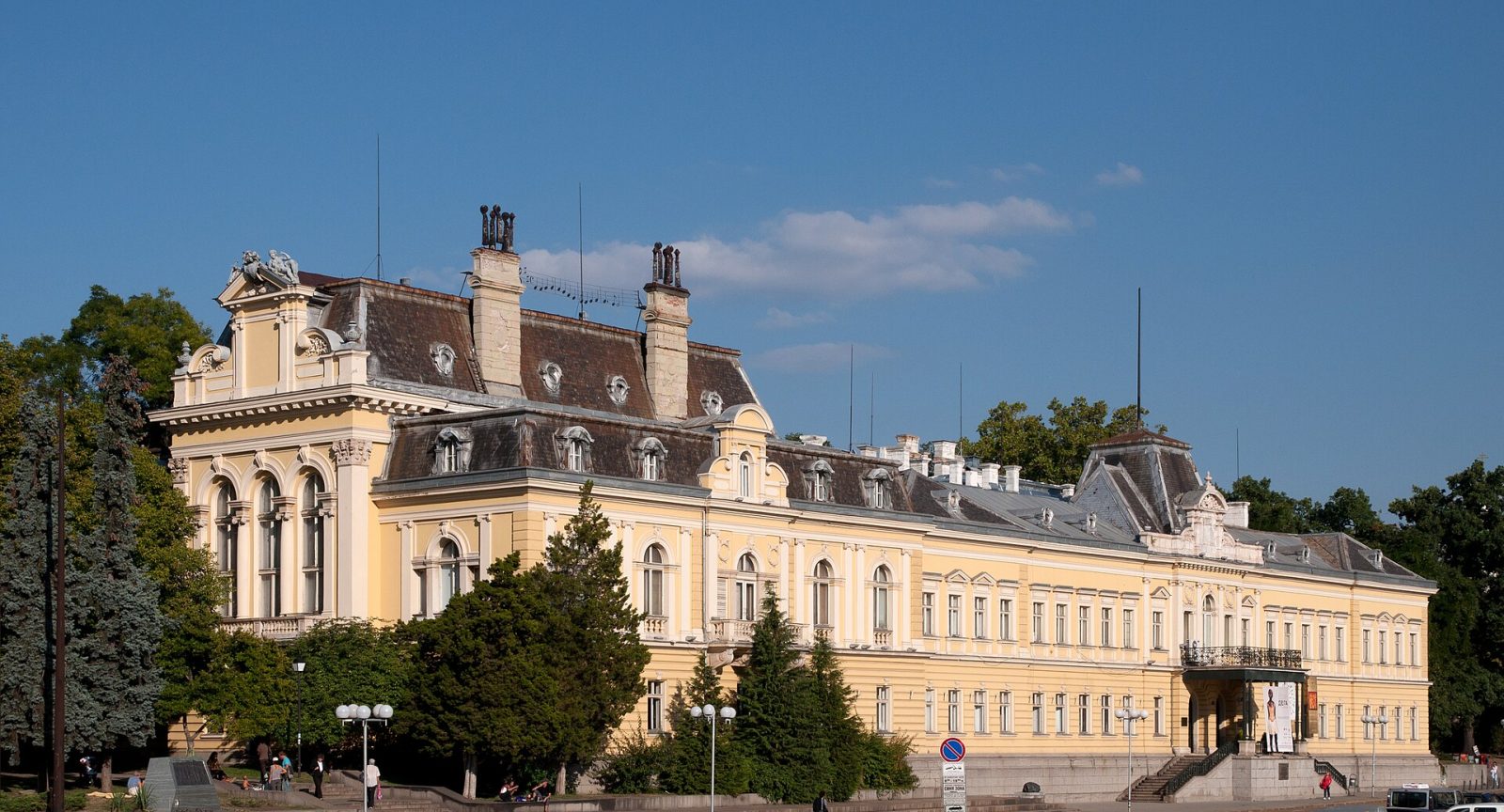
| Building | The north-east wing of the former royal palace, 1 Knyaz Alexander I Square |
| Open | Tuesday to Sunday, 10:00–18:00; ticket sales end at 17:30 |
| Closed | Mondays |
| Adult ticket | €5; free on the last Thursday of the month |
Source: Bulgarian Tourist Union: National Ethnographic Museum (IEFEM – BAS) (100 National Tourist Sites, in Bulgarian); National Ethnographic Museum: Visit1,2
History of the museum
The Bulgarian Tourist Union dates the museum to 1892 and says that by the 1920s it was already counted among the richest on the Balkans. The National Museum founded in the 1890s first held both archaeological and ethnographic collections; the English Wikipedia says the ethnographic objects were separated in 1906 and shown in their own Ethnographic Museum.1,4
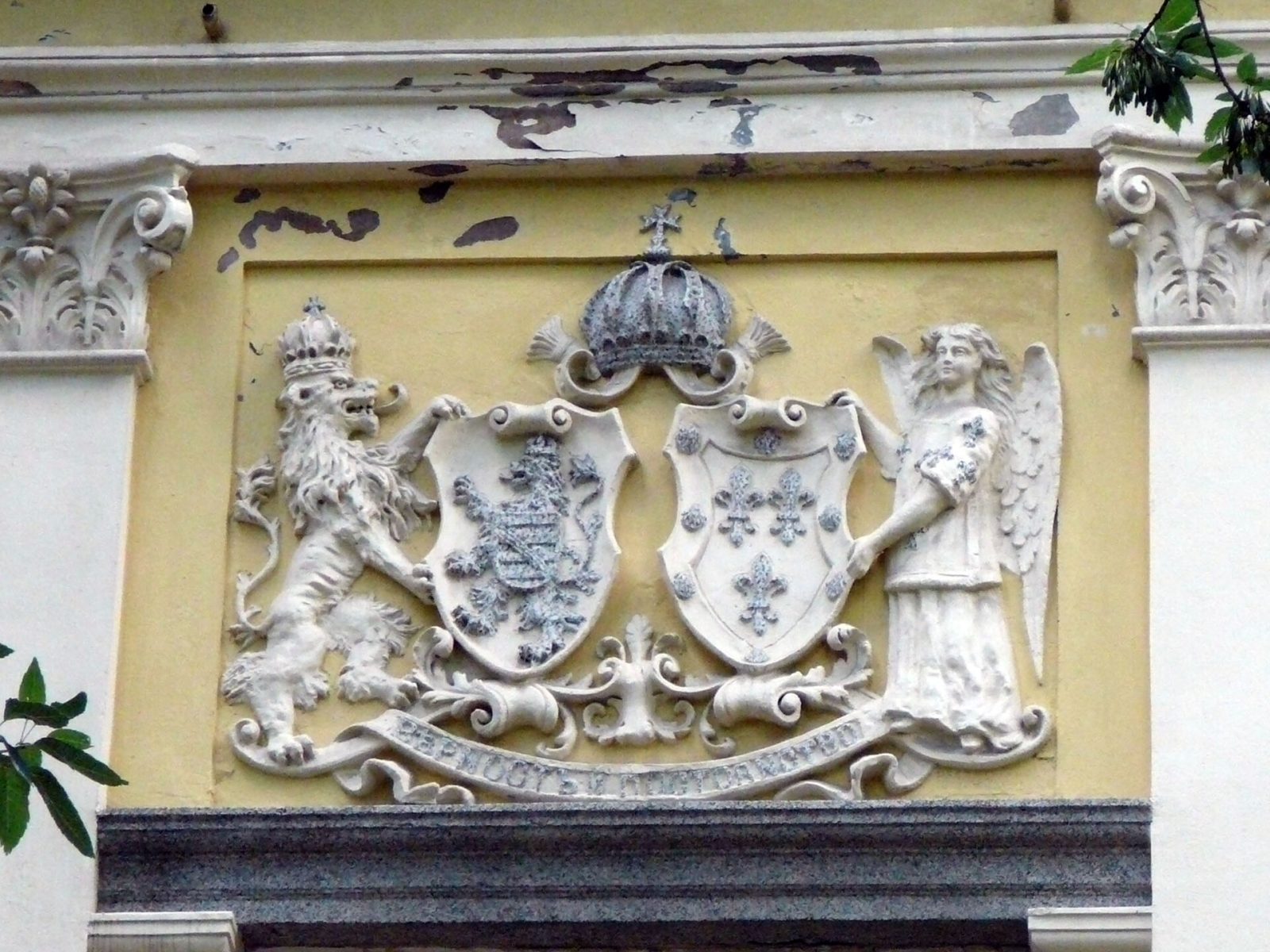
The museum occupies the three-storey north-east wing of the palace, built in 1894–1896 to a design by the Austrian architect Friedrich Grünanger for the apartments of Knyaz Ferdinand’s family. In 1953 the state gave the former palace to the National Art Gallery and the Ethnographic Museum, which share the building today.3
What to see
The Bulgarian Tourist Union describes a collection of more than 50,000 exhibits covering the 16th to the 19th centuries: rites and crafts, farming, household goods, jewellery, clothing and musical instruments. It also includes objects of Bulgarians living outside today’s borders, in North Macedonia, the Western Outlands, Northern Dobruja and the Banat. The museum itself says it holds mainly collections of local culture, with a small non-European collection.1,2
| Collection | What the Bulgarian Tourist Union says about it |
|---|---|
| Traditional folk costume | The country’s richest ethnographic store of folk costume, with more than 20,000 inventory items |
| Pastoral and church woodcarving | More than 4,000 exhibits |
| Goldsmiths’ work | More than 5,000 objects from the 18th to the early 20th century, with the craftsmen’s full set of tools |
| Royal collection | Close to 450 objects from the interior of the royal palace and personal belongings of the rulers of the Third Bulgarian Kingdom |
| Customs and rites | Kukeri masks and costumes, painted Easter eggs, ritual breads, martenitsi, survachki and wedding banners |
Source: Bulgarian Tourist Union: National Ethnographic Museum (IEFEM – BAS) (100 National Tourist Sites, in Bulgarian)1
Princess Evdokia, sister of Tsar Boris III, collected Bulgarian embroidery, textiles and jewellery and gave her collection to the museum in 1937; Tsar Boris III made his own gift in 1941.1
Tickets and opening hours
| Ticket | Price |
|---|---|
| Adult | €5 |
| Pupils, students and pensioners | €2.50 |
| Family ticket | €7.50 |
| Guided tour, booked in advance | €15 |
| Lesson with a museum educator, booked in advance | €25 |
Source: National Ethnographic Museum: Visit2
The museum is open from Tuesday to Sunday, 10:00 to 18:00, and ticket sales end at 17:30. Entry is free for everyone on the last Thursday of the month, and at any time for children up to 7, visitors with disabilities, teachers accompanying groups, journalists, museum staff and members of ICOM and ICOMOS, with proof.2
The Bulgarian Tourist Union’s page still shows older leva prices (10 leva for adults) and seasonal hours, closing at 17:30 from November to February. The prices and hours above are the museum’s own, checked in November 2026.1,2
The No. 62 stamp
The museum is site No. 62 in “Know Bulgaria – 100 National Tourist Sites”, the movement the Bulgarian Tourist Union started in 1966. Walkers collect a stamp at each site in a booklet: 25 stamps earn a bronze badge, 50 a silver badge and all 100 a gold badge with a certificate.5
More stamps nearby
- No. 63a: the National Gallery, in the main part of the same palace.
- No. 68: the National Archaeological Museum, across the square.
- No. 65a: the Sofia Synagogue, near the Central Market Hall.
- No. 59: the Alexander Nevsky Cathedral.
Source: Bulgarian Tourist Union: 100 National Tourist Sites5
For the city itself, see our Sofia city guide.
Frequently Asked Questions
Where is the National Ethnographic Museum?
In the north-east wing of the former royal palace on Knyaz Alexander I Square in central Sofia, which it shares with the National Gallery.
How much is a ticket?
€5 for adults, €2.50 for pupils, students and pensioners, and €7.50 for a family. Entry is free on the last Thursday of the month.
Is the museum open on Mondays?
No. It opens Tuesday to Sunday, 10:00 to 18:00, and ticket sales end at 17:30.
Which tourist-site number is the Ethnographic Museum?
No. 62 in the Bulgarian Tourist Union’s 100 National Tourist Sites.
Sources
- Bulgarian Tourist Union: National Ethnographic Museum (IEFEM – BAS) (100 National Tourist Sites, in Bulgarian)
- National Ethnographic Museum: Visit
- National Gallery: The Palace
- Wikipedia: National Archaeological Museum (Bulgaria)
- Bulgarian Tourist Union: 100 National Tourist Sites (in Bulgarian)
Figures checked 11 November 2026. Information only, not investment, tax or legal advice.