National Tourist Site
About Velingrad History Museum
At a glance
| Tourist site | No. 55, “History Museum”, Velingrad |
|---|---|
| Address | 4 Vlado Chernozemski Street, Kamenitsa quarter, next to the Holy Trinity church |
| Opening hours | Monday to Saturday, 9:00–17:00; closed on Sunday |
| Phone | +359 359 5 25 91 |
Source: Bulgarian Tourist Union: History Museum, Velingrad (100 National Tourist Sites, in Bulgarian); Wikipedia (Bulgarian): History Museum (Velingrad)1,2
History of the museum
Museum work in the area began with the teacher Hristo Maslarov, who built an archaeological collection at the community centre of Kamenitsa, now a quarter of Velingrad. The town history museum was founded in 1951. For four decades it bore the name of Vela Peeva, a 22-year-old partisan who took her own life in March 1944 to avoid capture by the police; since 1991 it has been called simply the History Museum.1,2
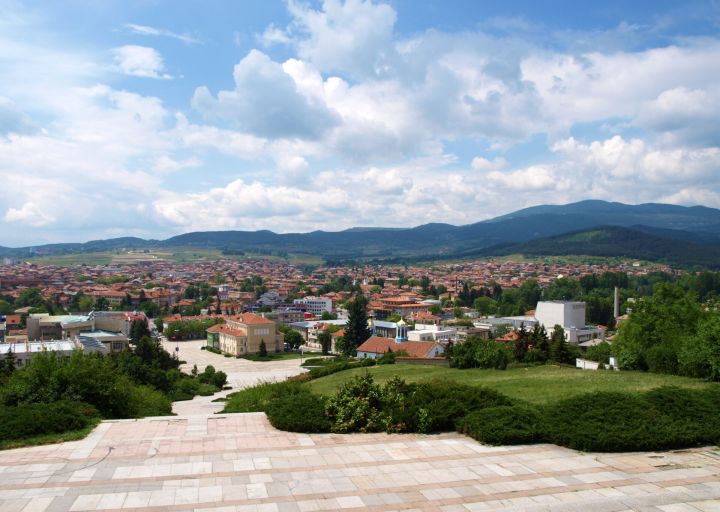
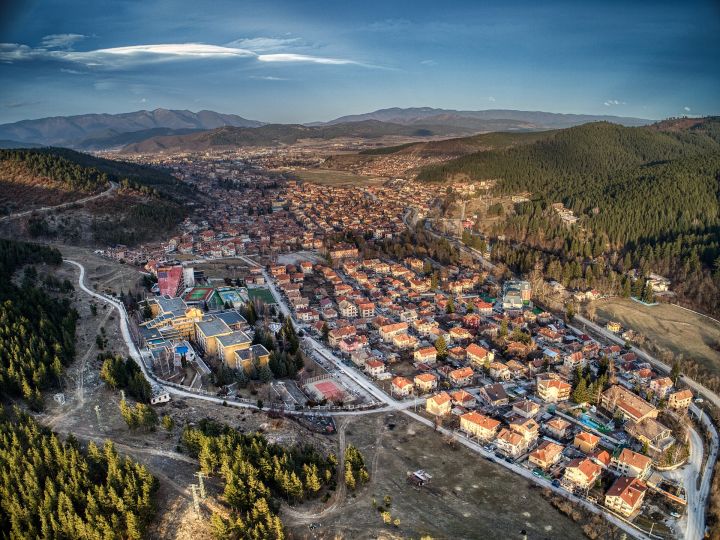
The town took its name from her too: in 1948 the almost joined villages of Ladzhene, Kamenitsa and Chepino were merged into Velingrad. The museum was housed in Vela Peeva’s birth house from 1951 to 1982 and has had its own purpose-built building since 1982.1,2
The Bulgarian Tourist Union and the history section of the Bulgarian Wikipedia give 1951 as the founding year; the Wikipedia infobox gives 1952.1,2
What to see
| Exhibition | What it shows |
|---|---|
| “Vela Peeva” | The partisan’s life and the events of the Second World War in the area |
| “Painted Easter Eggs” | The Chepino tradition of decorating eggs with a stylus and wax, with eggs from other parts of Bulgaria and from Central and Eastern Europe |
| “Nikolai Ghiaurov” | The bass, born in the town: original costumes from La Scala productions, scores, records, photographs and the die of a coin struck in Austria with his portrait |
| “The Mountain, a Hospitable Home” | The mineral springs of the Chepino valley, with photographs and stone inscriptions from old working baths |
Source: Bulgarian Tourist Union: History Museum, Velingrad (100 National Tourist Sites, in Bulgarian); Wikipedia (Bulgarian): History Museum (Velingrad)1,2
The departments of archaeology, ethnography, the National Revival, modern history and art hold more than 17,000 items: Thracian cult pottery of the Bessi tribe, icons, early printed books, and textiles and costumes of the Vlachs, Christian and Muslim Bulgarians and Aromanians of the Chepino area.1
The Bulgarian Wikipedia calls the egg collection the largest of its kind in Bulgaria, and the Bulgarian Tourist Union calls Kleptuza the largest karst spring. Both are the sources’ own descriptions.1,2
Tickets and opening hours
| Ticket | Price listed by the Bulgarian Tourist Union |
|---|---|
| Adults | 4 leva |
| Students and pensioners | 2 leva |
| Guided talk in Bulgarian, English or Russian | 10 leva |
Source: Bulgarian Tourist Union: History Museum, Velingrad (100 National Tourist Sites, in Bulgarian)1
The union gives Monday to Saturday, 9:00–17:00, closed on Sunday. The Bulgarian Wikipedia gives summer hours of 9:00–17:30 with no closing day and winter hours of 9:00–17:00, closed on Sunday. The union lists prices in leva, the currency before the euro. Checked in November 2026.1,2
The No. 55 stamp
The museum is site No. 55 in “Know Bulgaria – 100 National Tourist Sites”, the movement the Bulgarian Tourist Union started in 1966. Walkers collect a stamp at each site in a booklet: 25 stamps earn a bronze badge, 50 a silver badge and all 100 a gold badge with a certificate.3
More stamps nearby
- No. 55a: Lepenitsa Cave, south of Velingrad.
- No. 38: the Batak History Museum.
- No. 35a: the Stamboliyski Villa Museum, near Slavovitsa.
- No. 37: Snezhanka Cave, near Peshtera.
Source: Bulgarian Tourist Union: 100 National Tourist Sites3
For the town itself, see our Velingrad guide and the Pazardzhik province page.
Frequently Asked Questions
Where is the Velingrad museum?
At 4 Vlado Chernozemski Street, in the Kamenitsa quarter, next to the Holy Trinity church.
Why is the town called Velingrad?
It was formed in 1948 from the villages of Ladzhene, Kamenitsa and Chepino and named after the partisan Vela Peeva.
Is there an exhibition on Nikolai Ghiaurov?
Yes. The bass was born in the town, and his family donated costumes, photographs and documents to the museum.
Is the museum open on Sunday?
The Bulgarian Tourist Union says it is closed on Sunday; the Bulgarian Wikipedia says it opens every day in summer.
Which tourist-site number is the Velingrad museum?
No. 55 in the Bulgarian Tourist Union’s 100 National Tourist Sites.
Sources
- Bulgarian Tourist Union: History Museum, Velingrad (100 National Tourist Sites, in Bulgarian)
- Wikipedia (Bulgarian): History Museum (Velingrad)
- Bulgarian Tourist Union: 100 National Tourist Sites (in Bulgarian)
Figures checked 12 November 2026. Information only, not investment, tax or legal advice.