National Tourist Site
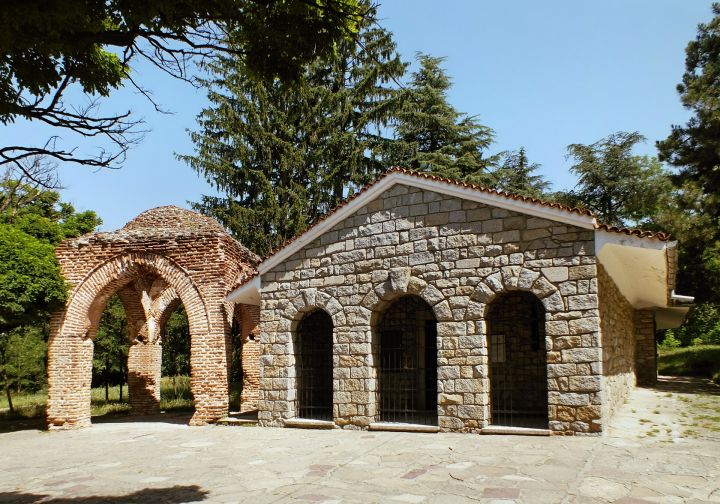
About Thracian Tomb of Kazanlak and Chudomir Museum
At a glance
| Tourist site | No. 91, Kazanlak: “Thracian Tomb” and “Chudomir Literary and Art Museum” |
|---|---|
| Tomb run by | Iskra History Museum, Kazanlak |
| Chudomir museum run by | The municipality of Kazanlak, as a cultural institute |
| Chudomir museum address | 6 Trapezitsa Street, Kazanlak |
Source: Bulgarian Tourist Union: Thracian Tomb, Kazanlak (100 National Tourist Sites, in Bulgarian); Wikipedia (Bulgarian): Chudomir Literary and Art Museum; Bulgarian Tourist Union: 100 National Tourist Sites1,3,5
This page covers the stamp and the Chudomir museum. For how the tomb was found, what its murals show and why visitors see a replica, see our Thracian Tomb of Kazanlak UNESCO guide.
The tomb in one paragraph
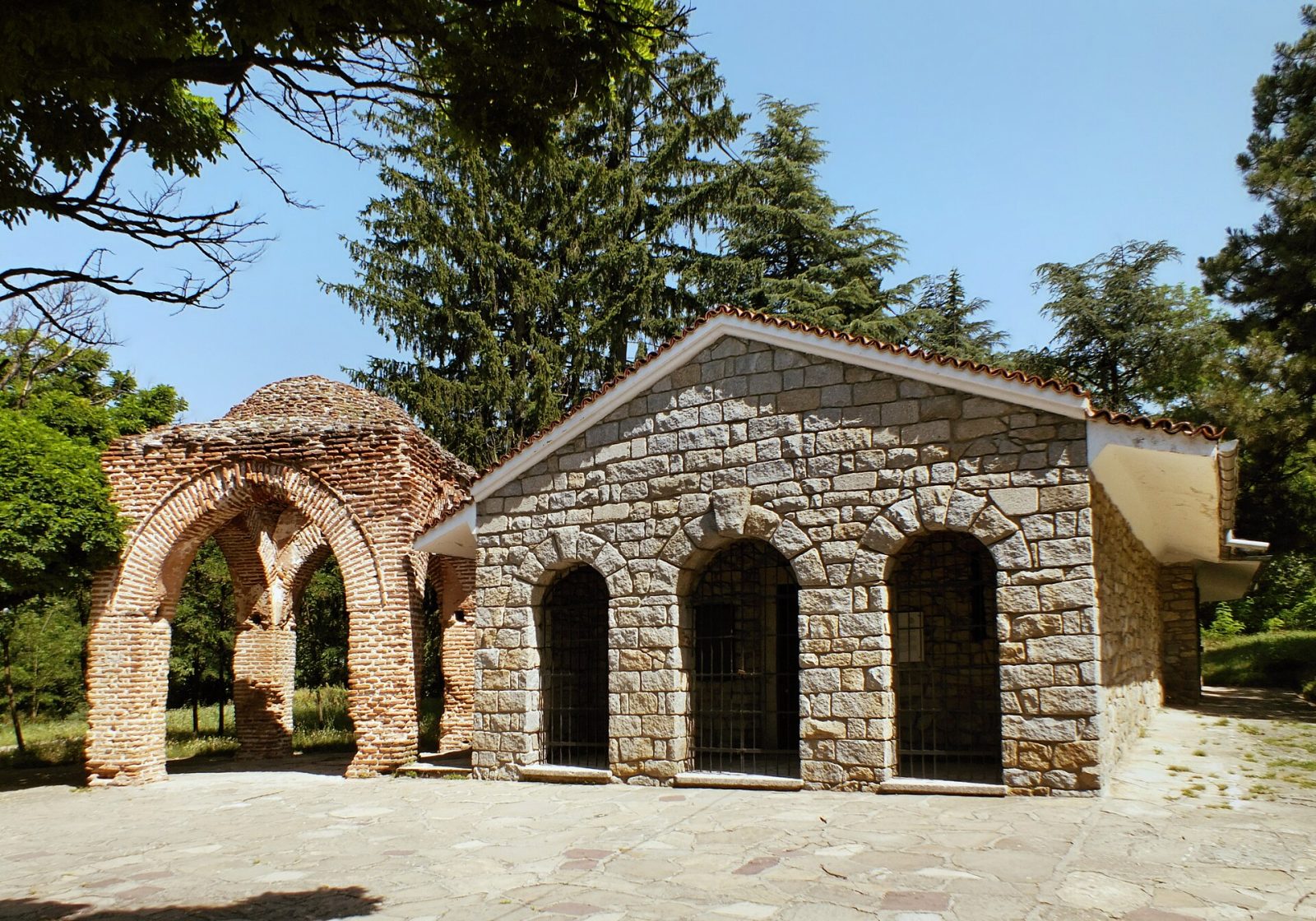
The Bulgarian Tourist Union’s page for the site quotes the historian Bozhidar Dimitrov, who wrote in his book “The 24 Miracles of Bulgaria” that a gifted Greek painter, or a Thracian trained in a Greek workshop, painted the murals between 320 and 280 BC. He placed the end date there because Celts then held Thrace for six decades. The union adds that the few finds, among them pottery, ritual vessels, pieces of gold ornaments and a silver jug, show the tomb was robbed in antiquity.1
Who was Chudomir
Chudomir was the pen name of Dimitar Hristov Chorbadzhiyski, born in the village of Turia on 25 March 1890 and died in Sofia on 26 December 1967. English Wikipedia describes him as a writer and painter known for short stories such as “I’m Not One of Them” and “Locals”, which mock human weaknesses and the political vices of his time.4
- 1913: graduates from the national school of painting and industrial art in Sofia.
- 1920–1933: teaches at a school in Kazanlak.
- 1929–1930: studies drawing in Paris.
- Later years: chairs the Iskra reading room and runs the ethnographic museum in Kazanlak until his death.
Source: Wikipedia: Chudomir4
The tourist union counts him among the most popular Bulgarian writers and compares his gently mocked characters with the famous literary characters of “Chichovtsi” and Bay Ganyo.2
The Chudomir museum
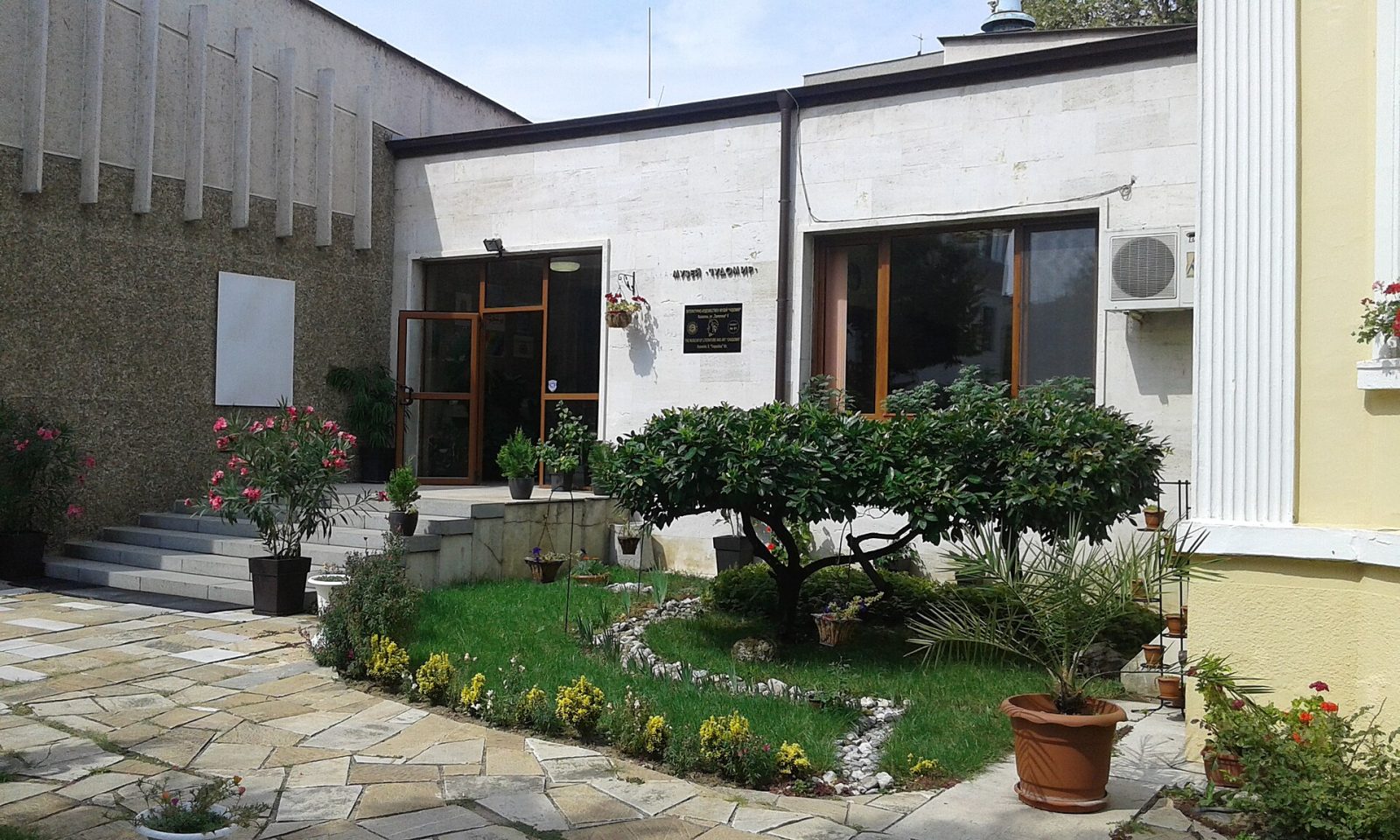
The museum occupies Chudomir’s own house, which became a museum in 1968 and was declared an architectural monument of national importance in 1998. With an added building, the complex opened in 1979. It includes his home, an exhibition in three halls of 300 m², a modern store and a conference hall.3
It keeps more than 15,000 original manuscripts, drawings, sketches, letters, books and personal belongings of Chudomir and his wife, the painter Mara Chorbadzhiyska, and part of them is on show. The museum is the seat of the Chudomir cultural foundation and holds exhibitions, meetings, recitals and film screenings.2,3
Opening hours and tickets
| Site | Open | Adult ticket |
|---|---|---|
| Tomb replica | 09:00–17:30 in summer, 09:00–17:00 in winter | €3; students €1, pensioners €2 |
| Chudomir museum | Monday to Friday 09:00–17:30; weekends 09:30–17:30 from April to September, otherwise by appointment | 4 leva; students 2 leva |
Source: Bulgarian Tourist Union: Thracian Tomb, Kazanlak (100 National Tourist Sites, in Bulgarian); Bulgarian Tourist Union: Chudomir Literary and Art Museum (100 National Tourist Sites, in Bulgarian)1,2
These are the Bulgarian Tourist Union’s listings. For the tomb replica, the Iskra History Museum’s own page lists 6 leva for adults, so the two sources disagree. The Chudomir museum is still listed in leva, the currency before the euro. Checked in November 2026.1,2,6
The No. 91 stamp and nearby sites
Both places are listed under No. 91 in “Know Bulgaria – 100 National Tourist Sites”, the Bulgarian Tourist Union’s movement founded in 1966. Stamps from 25 sites earn a bronze badge, 50 a silver badge and all 100 a gold badge.5
- No. 92: the Memorial Church of the Nativity in Shipka.
- No. 93: Shipka Peak, in the Shipka National Park-Museum.
- No. 90: Stara Zagora, with the regional history museum, the Neolithic Dwellings museum and the monument to the Defenders of Stara Zagora in 1877.
Source: Bulgarian Tourist Union: 100 National Tourist Sites5
Frequently Asked Questions
Why does one stamp cover two places?
The Bulgarian Tourist Union lists both the Thracian tomb and the Chudomir museum in Kazanlak under the same number, No. 91.
Who was Chudomir?
The pen name of Dimitar Chorbadzhiyski (1890–1967), a Bulgarian humorous writer and painter who taught in Kazanlak and ran its ethnographic museum.
What is in the Chudomir museum?
His house and an exhibition in three halls, drawn from more than 15,000 manuscripts, drawings, letters and belongings of Chudomir and his wife, the painter Mara Chorbadzhiyska.
Is the Chudomir museum open at weekends?
From April to September, 09:30 to 17:30. From October to March weekend visits are by appointment.
Sources
- Bulgarian Tourist Union: Thracian Tomb, Kazanlak (100 National Tourist Sites, in Bulgarian)
- Bulgarian Tourist Union: Chudomir Literary and Art Museum (100 National Tourist Sites, in Bulgarian)
- Wikipedia (Bulgarian): Chudomir Literary and Art Museum
- Wikipedia: Chudomir
- Bulgarian Tourist Union: 100 National Tourist Sites (in Bulgarian)
- Iskra History Museum, Kazanlak: sites, hours and prices (in Bulgarian)
Figures checked 11 November 2026. Information only, not investment, tax or legal advice.