UNESCO World Heritage site
About Rila Monastery
At a glance
| Name | Rila Monastery of St John of Rila (Рилски манастир „Св. Иван Рилски“) |
|---|---|
| Where | In the valley of the Rilska River, in the Rila Mountains, Kyustendil Province |
| Founded | 10th century, by the hermit St John of Rila |
| Main buildings today | Mostly 1834–1862, after a fire; Hrelyo’s Tower dates from 1334–1335 |
| UNESCO | Inscribed in 1983 under cultural criterion (vi) |
| Status | A working monastery of the Bulgarian Orthodox Church, under the Holy Synod since 1991 |
| For visitors | The main church, the courtyard, museum expositions with a combined ticket, and guided tours |
Source: UNESCO World Heritage Centre: Rila Monastery; Wikipedia: Rila Monastery; Wikipedia: Рилски манастир; Rila Monastery: Museums1,2,3,4
Why it matters
UNESCO describes Rila Monastery as a symbol of the 19th-century Bulgarian Renaissance, which gave Slavic cultural identity a new expression after centuries of Ottoman rule. It was listed under criterion (vi), which covers places directly linked with ideas and events of outstanding importance.1
English Wikipedia calls it the largest and most famous Eastern Orthodox monastery in Bulgaria and records about 60 monks living there. It also notes that the monastery appears on the reverse of the 1 lev banknote issued in 1999, and that it attracted 900,000 visitors in 2008.2
The Rila Monastery museum is one of the 100 National Tourist Sites of the Bulgarian Tourist Union, where hikers collect a stamp.7
History
| Year | Event |
|---|---|
| 10th century | St John of Rila (876–946) lives as a hermit in the mountains; his disciples build the first monastery |
| 1334–1335 | The local lord Hrelyo Dragovola builds the defensive tower that still stands in the courtyard |
| Mid-15th century | The monastery is plundered and destroyed |
| 1469 | The relics of St John of Rila are brought back from Veliko Tarnovo; rebuilding follows with donations from Mara Branković |
| 1816 | Work begins on the present residential buildings |
| 1833 | A fire destroys most of the monastery |
| 1834–1862 | Rebuilt with gifts from Bulgarians across the country, under the architect Alexi Rilets |
| 1961 | Declared a national museum; the monks are moved out |
| 1968 | Monks are allowed to return (1 October) |
| 1976 | Declared a national historical reserve |
| 1983 | Added to the UNESCO World Heritage List |
| 1991 | Returned to the Bulgarian Orthodox Church |
| 2002 | Visit of Pope John Paul II (25 May) |
Source: Wikipedia: Rila Monastery; Wikipedia: Рилски манастир2,3
Sources give different founding details and fires. English Wikipedia gives 927 as the founding year; the Bulgarian Tourist Union says the monastery was founded in the 930s; UNESCO says only the 10th century. English Wikipedia names the fire of 1833; the Bulgarian Tourist Union says fires burned the monastery in both 1778 and 1833.1,2,7
During the National Revival the monastery was a centre of learning. English Wikipedia records that the teacher Neofit Rilski ran a school here, and that the revolutionaries Vasil Levski, Gotse Delchev and Peyo Yavorov found shelter in it. It is the burial place of St John of Rila, Hrelyo, Tsar Boris III, the British journalist James Bourchier and Neofit Rilski.2
What to see
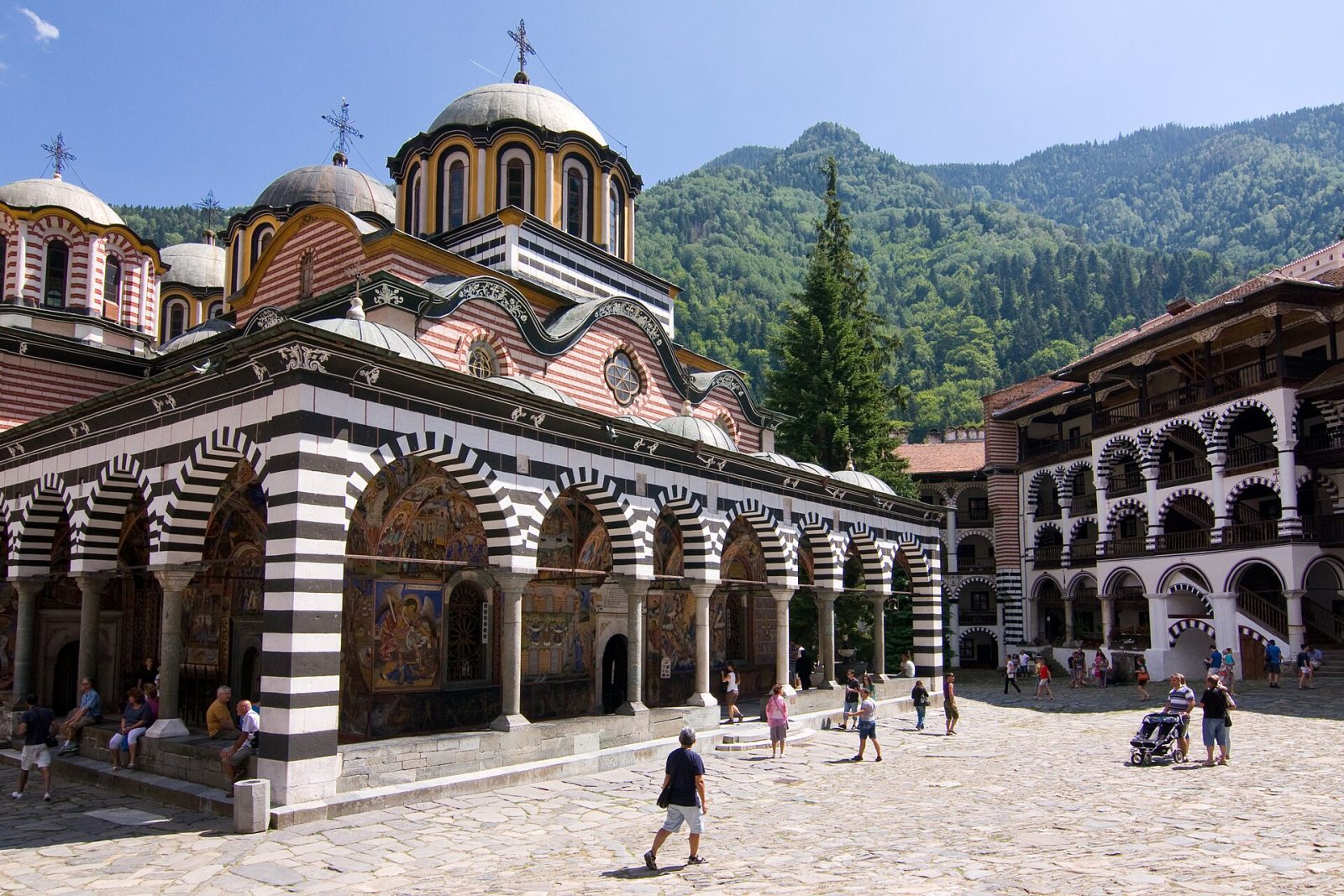
- The main church of the Nativity of the Virgin, built 1834–1837, with five domes, three altars and two side chapels. Its gilded, carved iconostasis took five years to make.
- The frescoes, finished in 1846, by painters including Zahari Zograf and his brother Dimitar Zograf.
- Hrelyo’s Tower (1334–1335), the oldest building in the complex, with the small church next to it (1343).
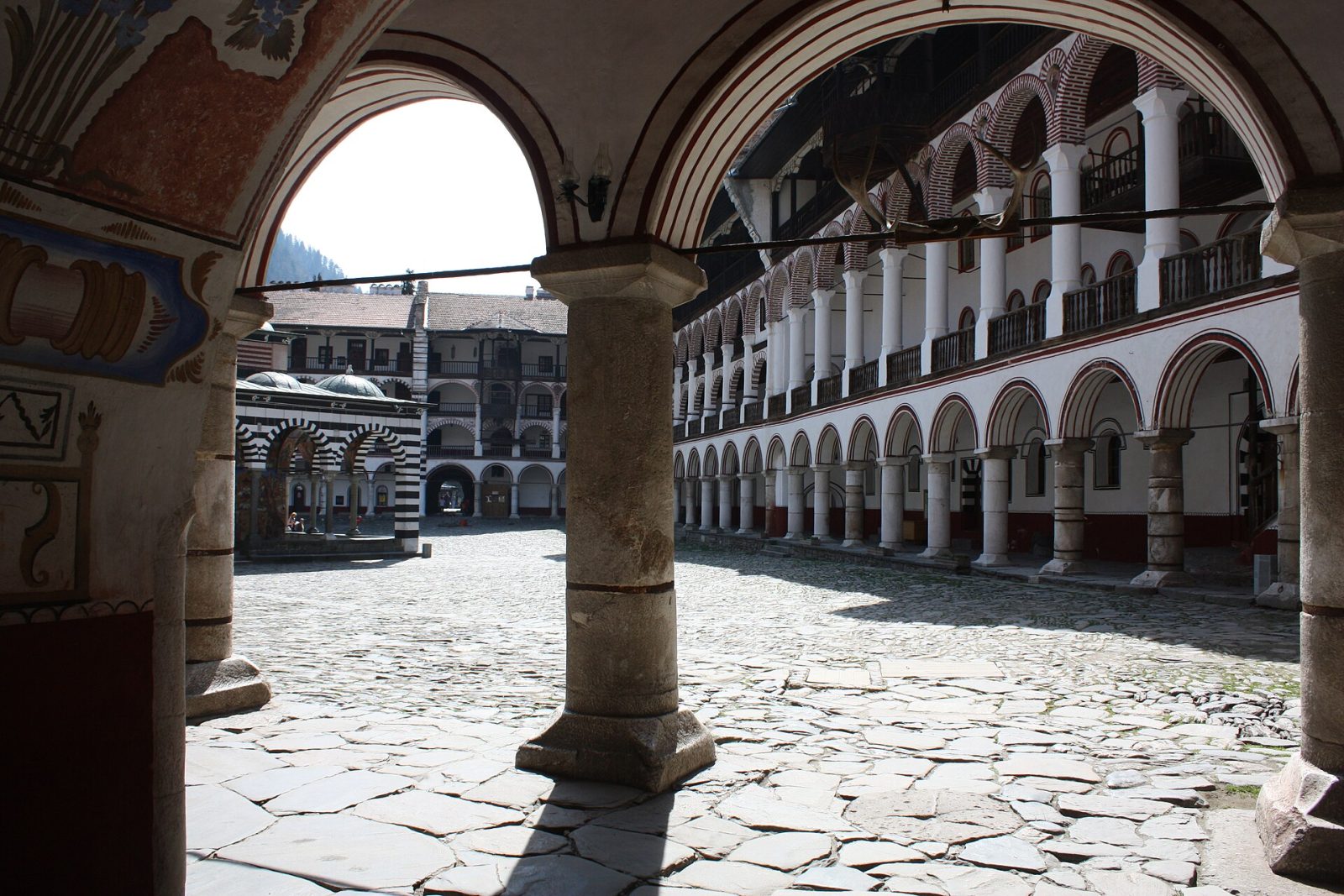
- The residential wings: four storeys around the courtyard with about 300 cells, four chapels, the abbot’s rooms, a kitchen with very large cooking vessels and a library of 250 manuscripts and 9,000 old printed books.
- Rafail’s Cross in the museum: a wooden cross 81 × 43 cm carved by the monk Rafail over 12 years, finished in 1802, with 104 scenes and about 650 figures. English Wikipedia records that he lost his sight doing it.
Source: Wikipedia: Rila Monastery; Rila Monastery: Museums; Rila Monastery: Church History Museum2,4,6
The whole complex covers about 8,800 m² around an inner courtyard of about 3,200 m², according to English Wikipedia. The Bulgarian Tourist Union says the museum holds about 35,000 objects, including the icon of the Virgin Odigitria.2,7
Sources name different craftsmen. English Wikipedia names the church’s architect as Pavel Ioanov and the iconostasis makers as Atanas Teladur, Petar and Georgi Dashini and Dimitar Stanishev. The Bulgarian Wikipedia article names Atanas Teladur of Samokov and Petar Garka for the iconostasis.2,3
Tickets and opening hours
The monastery’s official website says all museum expositions are open every day from 08:30 to 16:30, and from 1 June to 30 September from 08:30 to 19:30. Tickets are sold only at the monastery.4
| Ticket | Price |
|---|---|
| Combined ticket, all expositions | €12 |
| Church History Museum, adults | €5 |
| Church History Museum, pupils under 18 and pensioners | €2 |
| Church History Museum, family ticket | €3 per adult, €1 per child aged 7–18 |
| Children up to 6 | Free |
| Guided tour in English or French (about 50 minutes) | €15 |
Source: Rila Monastery: Museums; Rila Monastery: Church History Museum4,6
For tours and group visits the monastery gives the phone number +359 896 872 016.4
Opening hours differ by source. The Bulgarian Tourist Union page gives the main church as open Monday to Thursday 06:30–19:00 and Friday to Sunday 06:30–19:30, says the longer summer museum hours apply only from Friday to Sunday, and still lists older prices in leva. The prices and hours above come from the monastery’s own website. Checked in November 2026.4,7
Rules for visitors
- Dress modestly: no shorts or short skirts.
- Men remove their hats in the church.
- No photos or video inside the church and the museum.
- No smoking and no pets.
- No large backpacks or prams in the church.
Source: Rila Monastery: Requirements for visitors5
Around the monastery
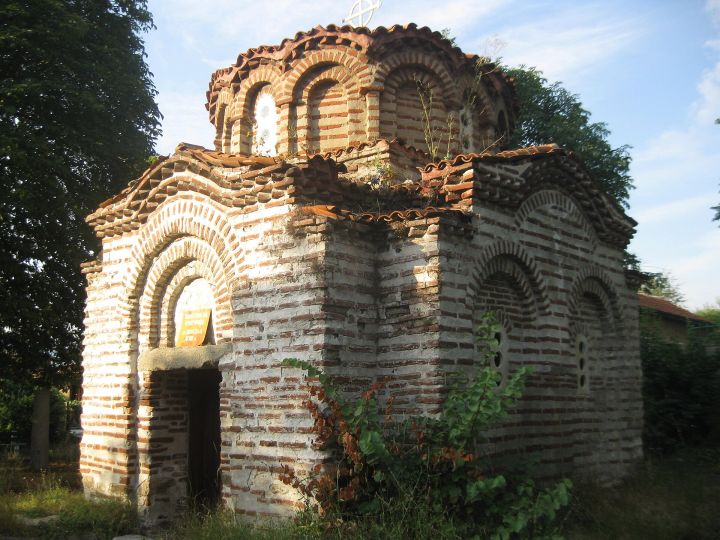
The Bulgarian Wikipedia article lists several sites that belong to the monastery. The Old Hermitage (Postnitsa), about 5 km east, has the church of the Dormition of St John of Rila next to the cave where the hermit lived in the 10th century. The St Luke skete has the churches of St Luke and of the Protection of the Virgin (1805) and an old cell school. The monastery’s Orlitsa convent has the church of St Peter and St Paul from 1478, and there is a second convent at Pchelino.3
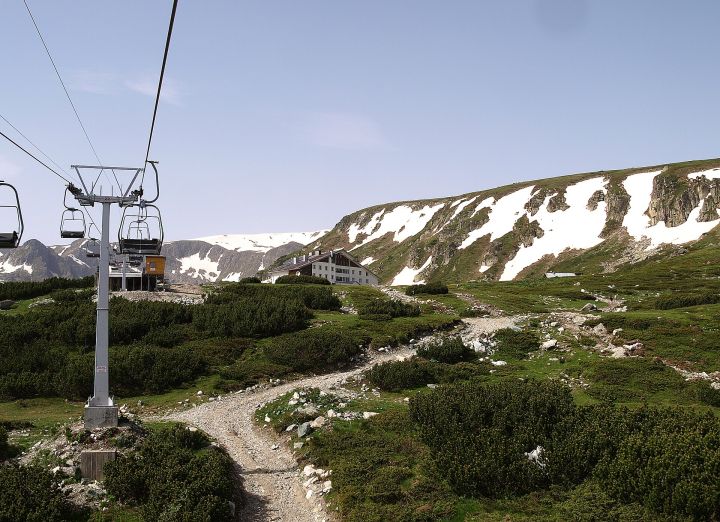
UNESCO notes that the forest around the monastery was declared the Rila Monastery Forest reserve in 1986, and that the surrounding Rila Monastery Nature Park has had a management plan since 2003.1
Getting there
The monastery is in the Rila Mountains, about 117 km south of Sofia by the English Wikipedia count, in the valley of the Rilska River at 1,147 m.2
The World Heritage property itself is small, about 8.7 ha according to English Wikipedia; UNESCO notes that its setting is protected by the forest reserve and nature park around it.1,2
Frequently Asked Questions
Why is Rila Monastery on the UNESCO list?
UNESCO listed it in 1983 under criterion (vi), as a symbol of the 19th-century Bulgarian Renaissance and of Slavic cultural identity after centuries of Ottoman rule.
Who founded Rila Monastery?
The hermit St John of Rila, in the 10th century. English Wikipedia gives 927; the Bulgarian Tourist Union says the 930s.
How old are the buildings?
Most of what you see was rebuilt between 1834 and 1862 after a fire in 1833. Hrelyo’s Tower in the courtyard dates from 1334–1335.
How much are the tickets?
The monastery’s website gives €12 for a combined ticket to all expositions and €5 for adults at the Church History Museum. Tickets are sold only on site.
When are the museums open?
Every day 08:30 to 16:30, and from 1 June to 30 September 08:30 to 19:30, according to the monastery’s website.
Can I take photos?
Not inside the church or the museum. The monastery also asks visitors to dress modestly, with no shorts or short skirts.
What is Rafail’s Cross?
A carved wooden cross, 81 × 43 cm, made by the monk Rafail over 12 years and finished in 1802. It shows 104 scenes with about 650 figures and is the central exhibit of the museum.
Sources
- UNESCO World Heritage Centre: Rila Monastery
- Wikipedia: Rila Monastery
- Wikipedia: Рилски манастир (in Bulgarian)
- Rila Monastery: Museums
- Rila Monastery: Requirements for visitors
- Rila Monastery: Church History Museum (in Bulgarian)
- Bulgarian Tourist Union: Museum Rila Monastery (100 National Tourist Sites)
Figures checked 11 November 2026. Information only, not investment, tax or legal advice.