UNESCO World Heritage site
About Rock-hewn Churches of Ivanovo
At a glance
| Name | Rock-hewn Churches of Ivanovo (Ивановски скални църкви), the rock monastery of St Michael the Archangel |
|---|---|
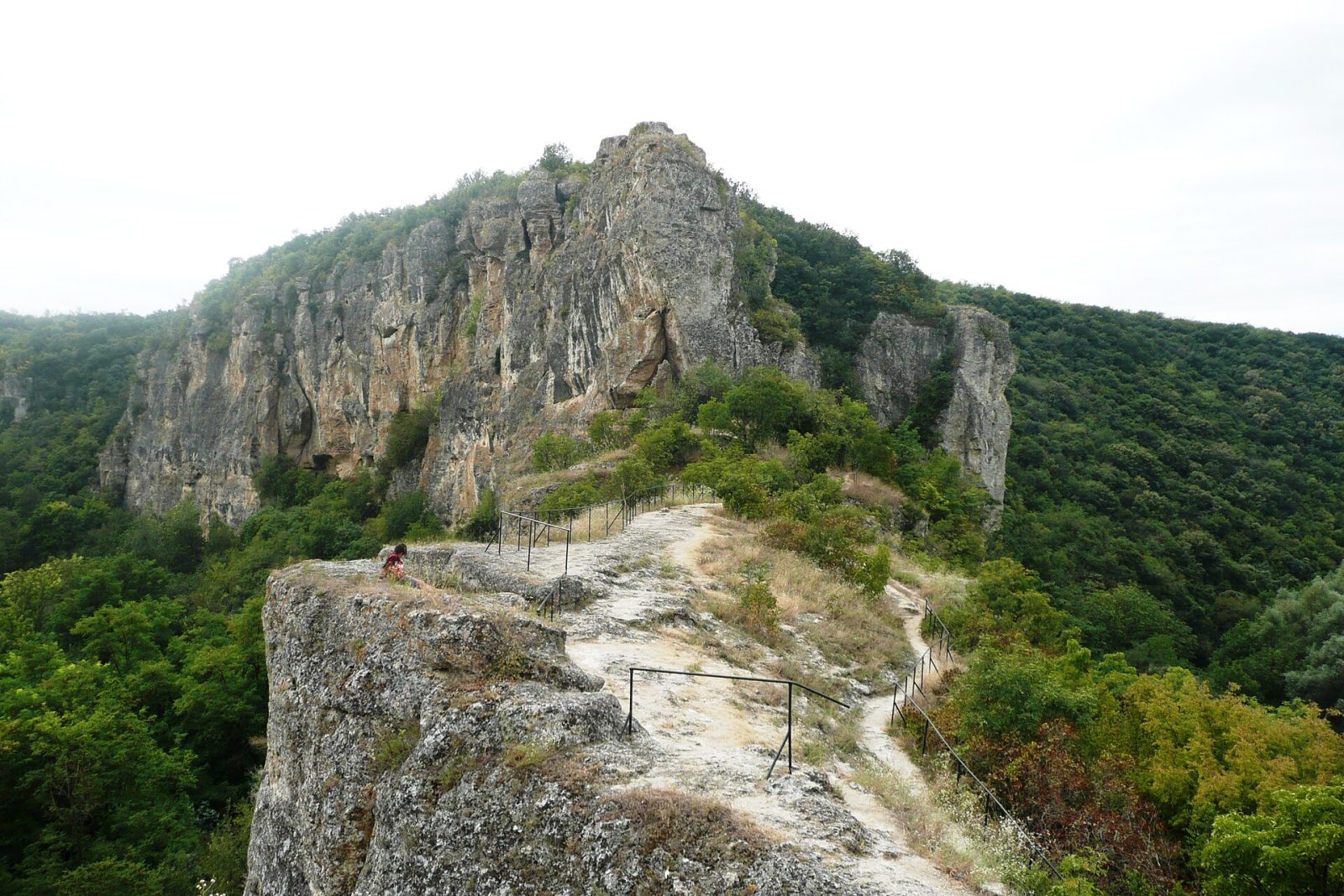
| Where | Cliffs of the Rusenski Lom river near the village of Ivanovo, Ruse Province, inside Rusenski Lom Nature Park |
| Dated | Hermits’ cells from the 12th–13th century; murals of the 13th and 14th centuries |
| Best known for | The 14th-century frescoes in the Church of the Holy Virgin |
| UNESCO | Inscribed in 1979 under criteria (ii) and (iii) |
| Area | 171.9 ha |
| Run by | Regional History Museum, Ruse |
| Ticket | €5 for adults, €2.50 for pupils, students and pensioners |
Source: UNESCO World Heritage Centre: Rock-Hewn Churches of Ivanovo; Wikipedia: Rock-hewn Churches of Ivanovo; Wikipedia: Ивановски скални църкви; Regional History Museum, Ruse: hours and prices1,2,3,4
Why it matters
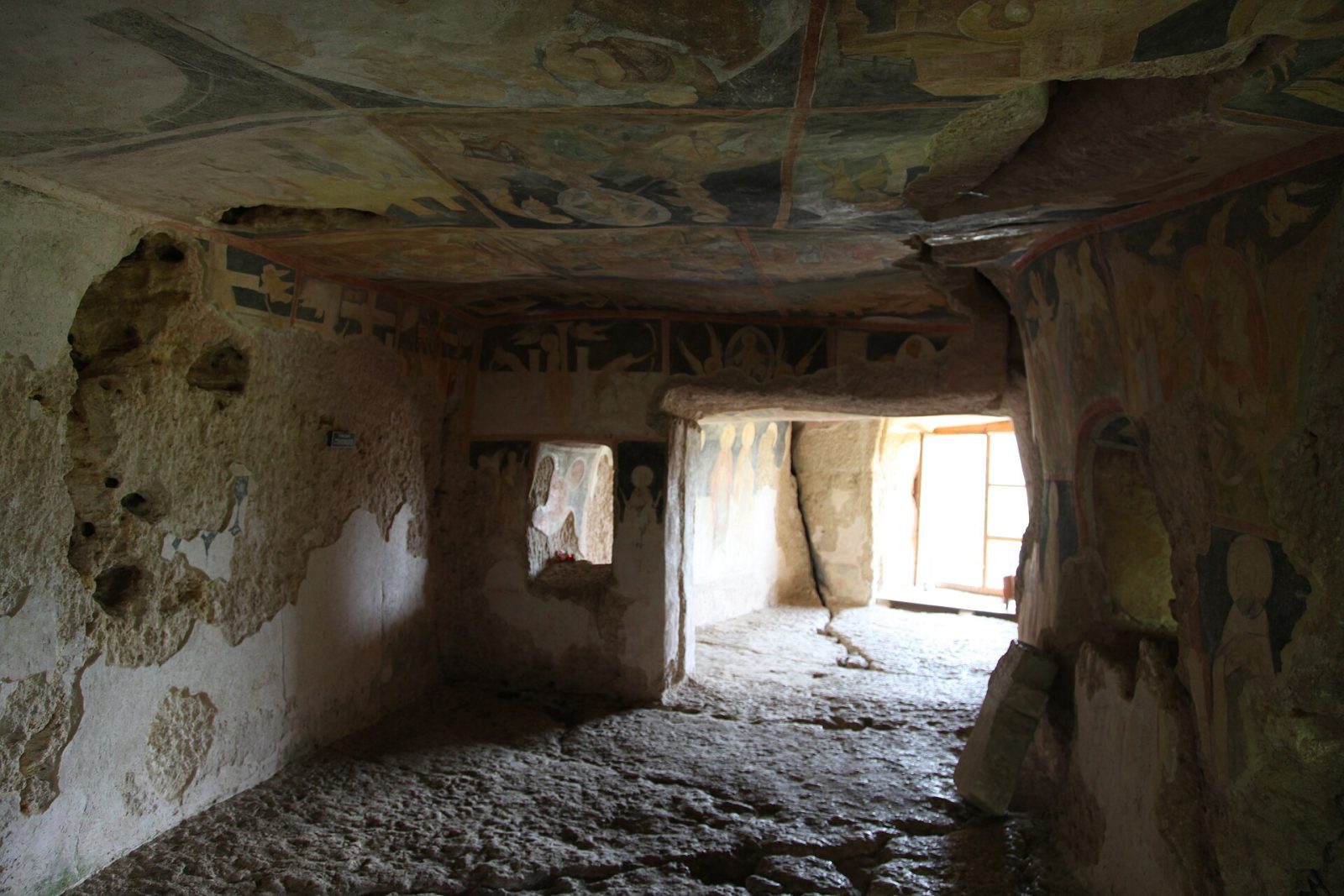
UNESCO says the frescoes of Ivanovo show exceptional artistry and are an important achievement in the Christian art of South-Eastern Europe. Painted after the mosaics of the Chora monastery in Constantinople (1303–1310), they surpass, in UNESCO’s words, any other known monument of the Palaeologan style in their expressiveness.1
The paintings break away from the strict rules of Byzantine icon painting. UNESCO points to their links with Hellenistic art and their taste for the nude, landscape, architectural backgrounds, drama and emotion, and calls them an exceptional masterpiece of the Tarnovo school of painting.1
UNESCO listed the churches under criterion (ii), for the 14th-century frescoes, and criterion (iii), for the variety of cells, chapels, churches and monastery complexes cut into the rock during the Second Bulgarian State (1187–1396).1
History
The churches and rooms form the rock monastery of St Michael the Archangel. It was founded by the monk Joachim, who later became the first Patriarch of Tarnovo. Monks widened natural caves in the cliffs and turned them into chapels, churches and living quarters.3,5
| Period | Event |
|---|---|
| 12th–13th century | The first hermits cut their cells and churches in the rock |
| 13th–14th century | Tsars Ivan Asen II and Ivan Alexander and nobles from Tarnovo and nearby Cherven support the monastery as donors |
| 1308–1309 | The monk Ivo Gramatik carves his well-known inscription |
| 14th century | The monastery is a centre of hesychasm; the frescoes of the Church of the Holy Virgin are painted |
| After 1396 | The monastery survives into the early Ottoman centuries but slowly declines |
| 1965 | Declared a protected reserve under Bulgarian law |
| 1979 | Added to the UNESCO World Heritage List |
| 2021 | The 800th anniversary of the monastery is marked with a liturgy for St Joachim |
Source: UNESCO World Heritage Centre: Rock-Hewn Churches of Ivanovo; Wikipedia: Rock-hewn Churches of Ivanovo; Wikipedia: Ивановски скални църкви1,2,3
Sources give different start dates. UNESCO says the first hermits dug their cells and churches in the 12th century. The English Wikipedia article says monks lived here from the 1220s, when Joachim founded the monastery, and the Bulgarian article dates the foundation to the 13th century.1,2,3
The churches and complexes
Unlike a usual Bulgarian monastery, with one or two churches and a living quarter, Ivanovo is a scatter of small rock churches, chapels and cells cut at different heights in the canyon. The museum presents it as six sites.3
- Church of the Holy Virgin: the main monastery church, with a chapel, monks’ cells and the famous 14th-century murals. This is the part open for regular visits.
- The Buried Church of St Michael the Archangel: the oldest part of the complex, a chain of rooms on one level.
- The Baptistery: about 100 m from the Buried Church, with a large church and living rooms.
- Gospodev Dol: rooms on two levels that lead into a deep natural cave.
- The Demolished Church of St Theodore Tyron and St Theodore Stratelates: a three-storey complex with a large church.
- Belbernitsa: a group of monks’ cells about 50 m from the Demolished Church.
Source: Wikipedia: Rock-hewn Churches of Ivanovo; Wikipedia: Ивановски скални църкви2,3
The sites other than the Church of the Holy Virgin can be visited on request, and the museum runs occasional tours to the Buried Church.3
Donor portraits survive in the churches, among them a 14th-century portrait of Tsar Ivan Alexander. His first wife, Queen Theodora, who became the nun Theophana, is shown as a donor in the Demolished Church; after the Romanian Orthodox Church declared her a saint, a liturgy for her was held there in October 2022.2,3
A fragile rock
UNESCO notes that the rock massif holding the churches has serious stability problems. A programme of research and engineering has worked on strengthening the rock and protecting the Church of the Holy Virgin from water.1
Urgent conservation of the 13th- and 14th-century murals has been done with minimal retouching. After a rock collapse in the early 20th century, the 13th-century ceiling murals of the Buried Church were rescued and moved to a new base, and the first stage of work on the murals of the collapsed St Theodore Church has been completed.1
Opening hours and tickets
| Ticket | Price |
|---|---|
| Individual visitor | €5.00 |
| Pupil, student or pensioner | €2.50 |
| Organised group of more than 5, per person | €3.00 |
| EURO 26 youth card | €2.00 |
| Guided talk in Bulgarian | €7.50 |
| Guided talk in English | €12.50 |
Source: Regional History Museum, Ruse: hours and prices4
The Regional History Museum in Ruse lists the churches as open from 09:00 to 18:00, with no day off. Its phone number for the site is +359 82 825 002.4
Visit Ruse adds that the site works on winter hours, by appointment only, and the Bulgarian Wikipedia article says the same. Call +359 82 825 002 before a visit between autumn and spring. Prices were checked in November 2026.3,5
Getting there
The churches are near the village of Ivanovo, south of Ruse, in the high rocky banks of the Rusenski Lom. The caves open high in the cliff above the river.2,5
Sources give different figures. The English Wikipedia article says the churches are 20 km south of Ruse and 32 m above the river; the Bulgarian article gives 18 km from Ruse; Visit Ruse gives 22 km south-west of Ruse and caves 40–50 m above the ground.2,3,5
The same museum runs the medieval town of Cherven nearby, with the same hours and prices, and the Roman fortress of Sexaginta Prista and the history museum in Ruse.4
Frequently Asked Questions
What are the Rock-hewn Churches of Ivanovo?
A medieval monastery of churches, chapels and cells cut into the cliffs of the Rusenski Lom river near Ruse, known for its 14th-century frescoes.
Why are they on the UNESCO list?
UNESCO listed them in 1979 for the exceptional 14th-century frescoes of the Tarnovo school and for the variety of rock-cut cells, chapels and churches of the Second Bulgarian State.
Which church can I visit?
The Church of the Holy Virgin, the main monastery church with the best-known murals, is open for regular visits. The other complexes can be visited on request.
How much is a ticket?
The Regional History Museum in Ruse lists €5 for individual visitors and €2.50 for pupils, students and pensioners. A guided talk costs €7.50 in Bulgarian or €12.50 in English.
What are the opening hours?
The museum lists 09:00 to 18:00, with no day off. In winter the site may open by appointment only, so call +359 82 825 002 first.
Who founded the monastery?
The monk Joachim, later the first Patriarch of Tarnovo, in the 13th century, although UNESCO says hermits first dug cells here in the 12th century.
How far is Ivanovo from Ruse?
About 18 to 22 km, depending on the source.
Sources
- UNESCO World Heritage Centre: Rock-Hewn Churches of Ivanovo
- Wikipedia: Rock-hewn Churches of Ivanovo
- Wikipedia: Ивановски скални църкви (in Bulgarian)
- Regional History Museum, Ruse: hours and prices (in Bulgarian)
- Visit Ruse: Ivanovo rock-hewn churches (in Bulgarian)
Figures checked 11 November 2026. Information only, not investment, tax or legal advice.