Name Days in Bulgaria
At a glance
| Calendar | Church calendar; most dates are fixed, while some move with Easter. |
|---|---|
| Bulgarian name | имен ден (imen den) |
| Who celebrates | The person celebrating is called an именик (imenik). |
| Tradition | Name days are widely celebrated in Bulgaria. |
A name and a feast
In Bulgaria, name days have traditionally been tied to Bulgarian Eastern Orthodox celebrations. The date may honour the saint associated with a person’s name, or a church feast linked to that name. Bulgarian naming traditions also include choosing a child’s name after a parent or another relative, a saint celebrated on the child’s birthday or baptism day, or a godparent. When several saints are linked to a name, the celebrant’s chosen date can depend on whom they were named after.1,2
Dates and names
Most Bulgarian name days fall on the same date each year, although some church feasts move with Easter. St George’s Day on 6 May and St John’s Day on 7 January are among the country’s most popular celebrations. Tsvetnitsa, or Palm Sunday, is another example: people whose names come from flowers, trees, herbs and other plants celebrate then. Some feast days are also linked in folklore with the time of year, such as Dimitrovden on 26 October, associated with the beginning of winter.1,2
How people celebrate
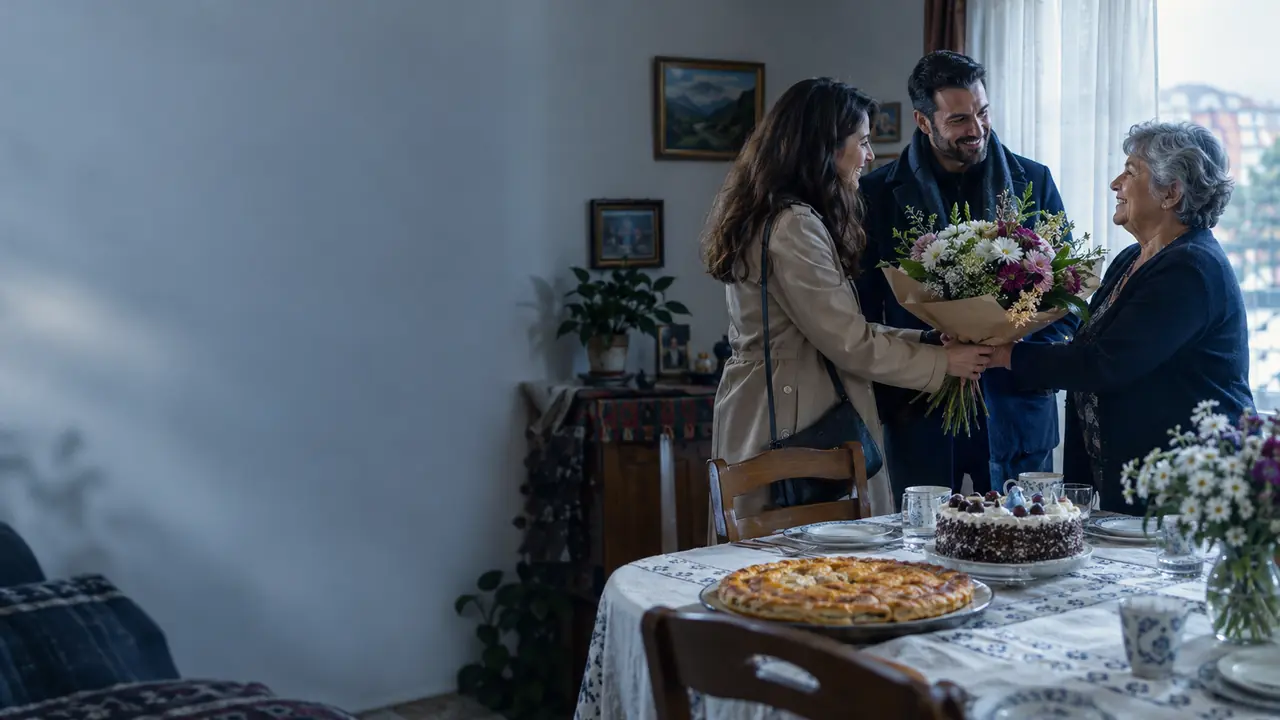
Name days are widely celebrated, and the custom is welcoming: traditionally, guests do not need an invitation. Presents are given, and children may take sweets and chocolates to school. Families and friends share good wishes, including hopes that the celebrant will hear their name from grandchildren and great-grandchildren, and that it will be heard only in connection with good things. These greetings reflect the importance given to the name itself, as well as to the feast day.1
Sources
Facts checked 13 October 2026. Prepared by InvestBulgaria for general information.
