Ignazhden: St Ignatius Day
At a glance
| Date | 20 December; moved one day earlier if it falls on a Sunday |
|---|---|
| Also called | Polaz, Polazovden, Mlada godina |
| Bulgarian name | Игнажден |
| Where | Bulgaria |
Source: Игнажден1
A winter feast
Ignazhden is the Bulgarian feast day of St Ignatius Theophorus, bishop of Antioch, marked by the Orthodox Church on 20 December. Radio Bulgaria reports that he died as a Christian martyr under the Roman Emperor Trajan in 108. In Bulgarian folk tradition, the day is linked to the winter solstice and the passage from the old year to the new. Older beliefs described it as the day the new Sun was born, and as a time when the new year was once welcomed.1,2
The first visitor
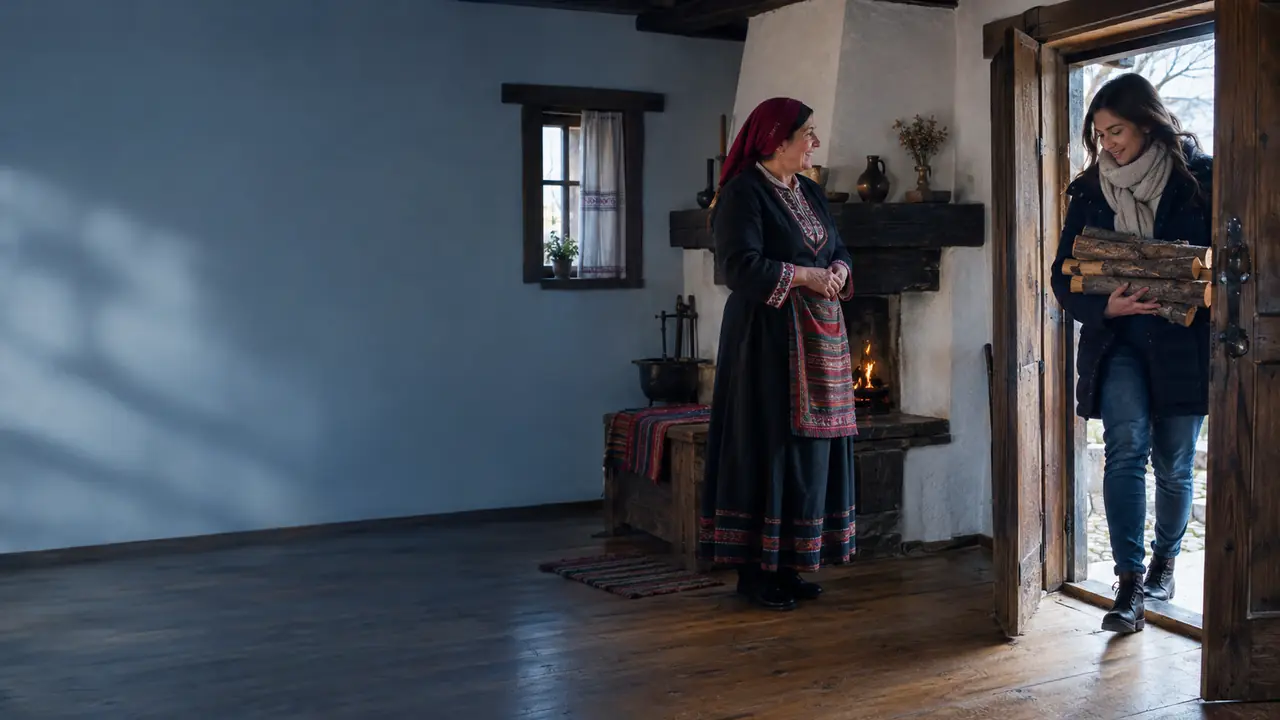
A central custom is polazvane: the first person to enter a home is called the polaznik. People believe this visitor can foretell or influence the household’s fortunes for the year. The family may invite someone they consider prosperous, healthy and happy; children are also welcome, for their innocence and purity. In some customs, the visitor brings in straw or small pieces of wood and performs ritual actions. People may avoid visiting others so they are not judged as a good or bad polaznik.1,2
Food and observance
Ignazhden falls during the Christmas fast, so its traditional meal is modest and meatless. Customs vary by region. The meal and its ritual objects are associated with protection and wishes for fertility and well-being.1,2
- Wheat or millet
- Whole walnuts
- Onion and pickles
- A plain ritual loaf or round bread
Source: Игнажден1
A 2023 Radio Bulgaria report notes that people still observe visible parts of the customs, sometimes without knowing their meaning. The ethnologist quoted in the report cautions Christians against treating rituals as ways to secure luck. He presents the day’s modest meal as a reminder to purify the heart.2
Sources
Facts checked 13 October 2026. Prepared by InvestBulgaria for general information.
