Enyovden: Bulgaria’s Midsummer Tradition
At a glance
| In Bulgarian | Еньовден |
|---|---|
| Date | 24 June |
| Also called | Yanovden, Yanevden, Ivanden and other local names |
| Where | Bulgaria; midsummer traditions are also found across Europe |
| Significance | Midsummer and the Nativity of Saint John the Baptist |
Source: Midsummer; bg.wikipedia.org: wiki: ЕньовденЕньовден1,2
Origins and date
Enyovden, also called Yanovden, was originally associated with the summer solstice, which falls on 21 or 22 June. With the adoption of Christianity, the celebration moved to 24 June, the feast of the Nativity of Saint John the Baptist. In Bulgaria, the Christian feast and older folk customs became closely joined. The holiday is an important part of the Bulgarian folk calendar, with local names that vary by region.2
Sun and herbs
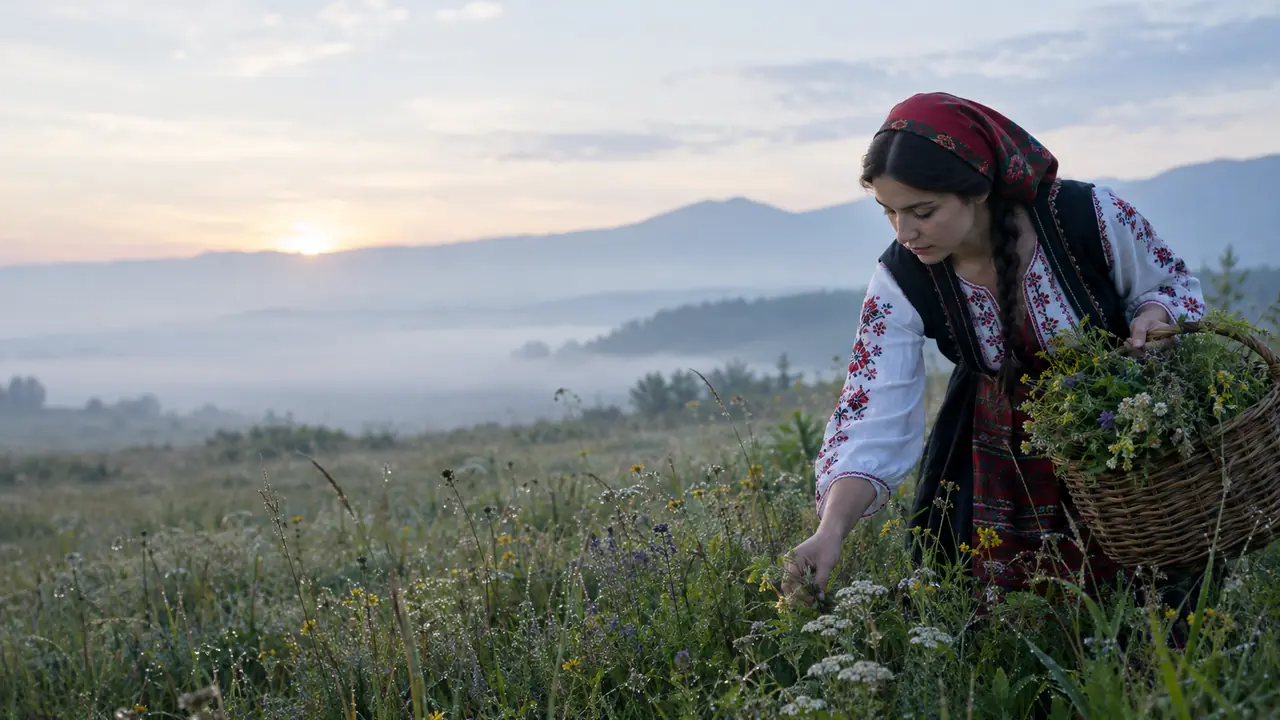
Folk belief says the sun trembles or plays as it rises on Enyovden. Those who see the sunrise are thought to enjoy good health for the year. Herbs are believed to have their greatest healing power at this time, especially at dawn, so women traditionally gather them before sunrise. The winter supply is said to number “77 and a half” herbs, for every illness, including the one without a name.1,2
Water and customs
Other customs focus on water, dew and fire. Folk beliefs hold that water becomes healing on the night before the feast, and that morning dew has special power. People traditionally wash in running water or roll in the dew before sunrise. At sunset, girls may leave flower posies in “silent water” overnight and use them to divine a future husband. A fire ritual, barefoot dancing on glowing embers, is also performed in Bulgaria and is called Nestinarstvo.1,2
Sources
Facts checked 13 October 2026. Prepared by InvestBulgaria for general information.
