Liberation Day
At a glance
| Date | 3 March |
|---|---|
| Also called | Day of Liberation of Bulgaria from the Ottoman Oppression |
| Where | Bulgaria |
| Bulgarian name | Ден на Освобождението на България от османско иго |
| Public holiday | Yes, an official holiday |
Source: Liberation Day (Bulgaria)1
What It Marks
Liberation Day commemorates the liberation of Bulgaria during the Russo-Turkish War of 1877–1878. The events of the war led to the re-establishment of Bulgarian statehood. The Treaty of San Stefano, signed on 3 March 1878, committed the Ottoman Empire to accept the refoundation of the Bulgarian state, which had been conquered in the 14th century during the Bulgarian–Ottoman wars.1
A Holiday’s History
The first observance took place on 19 February 1880 under the name Day of Emperor Alexander II’s Ascension and the Conclusion of the San Stefano Peace Treaty. The Principality of Bulgaria designated it as Liberation Day in 1888, on its 10th anniversary. It began to be celebrated on a national scale in 1978. A decree made it an official holiday in 1990, with the change taking effect on 5 March.1
Commemorations Today
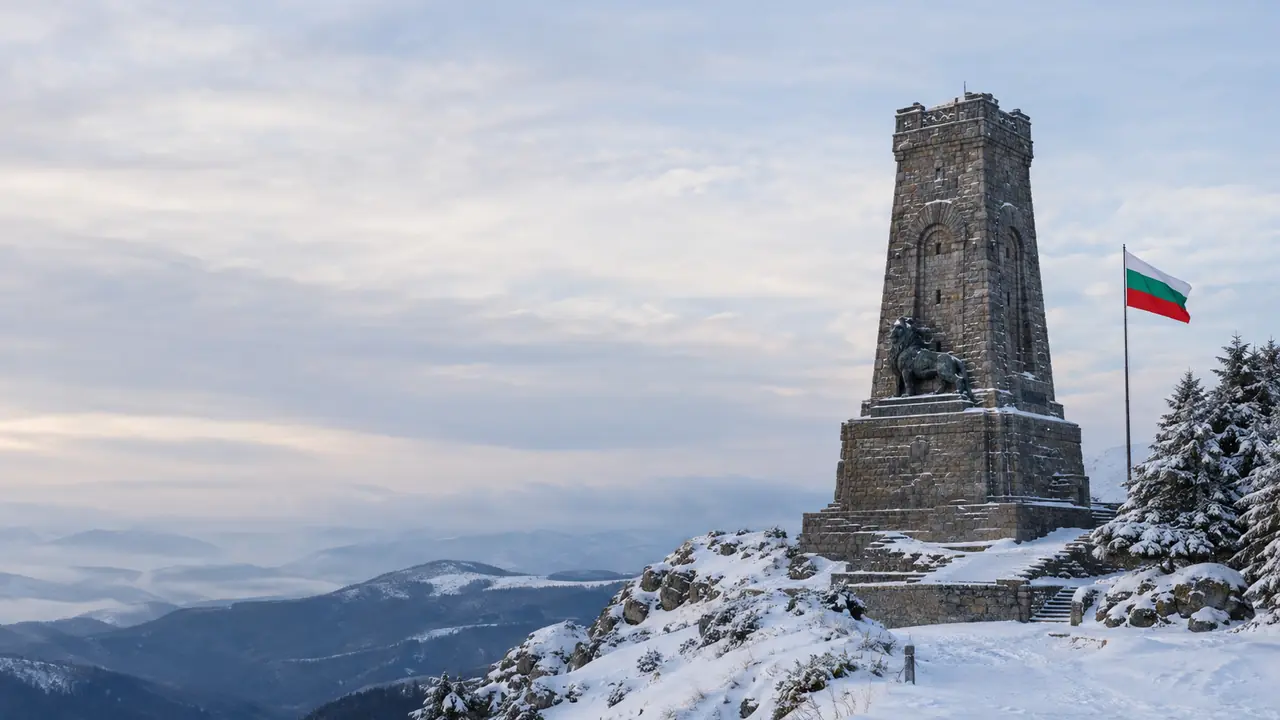
Every 3 March, wreaths are laid at the Shipka Monument, accompanied by military honours for the soldiers who died fighting for Bulgaria’s liberation. People around the country also commonly leave flowers and notes at monuments to foreign troops who fought alongside Bulgarian forces. Bulgaria has more than 400 preserved monuments dedicated to the soldiers who fought for its freedom.1
The Bulgarian Orthodox Church holds a special liturgy and prayers for the day. In the evening, a solemn military service takes place on National Assembly Square, near the monument to the Tsar Liberator. The President inspects Bulgaria’s National Guards Unit, and military personnel receive national decorations. An afternoon flag-raising ceremony is also held at the Monument to the Unknown Soldier.1
Sources
Facts checked 13 October 2026. Prepared by InvestBulgaria for general information.
