
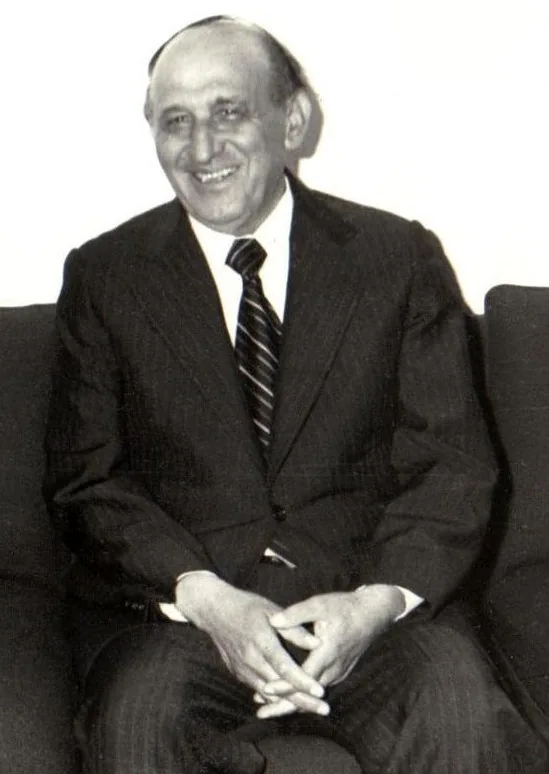
Todor Zhivkov
At a glance
| In Bulgarian | Тодор Христов Живков |
|---|---|
| Born | 7 септември 1911, Pravets, Bulgaria |
| Died | 5 август 1998, Sofia, Bulgaria |
| Known for | Leading Bulgaria from 1956 to 1989 |
| Party | Bulgarian Communist Party, 1932–1989 |
| Offices | Prime Minister, 1962–1971; Chairman of the State Council, 1971–1989 |
Източник: Wikipedia: en.wikipedia.org · wiki · Todor_ZhivkovTodor Zhivkov1
Early career
Zhivkov was born into a peasant family in Pravets. He joined the Bulgarian Communist Youth Union in 1928 and the Bulgarian Workers Party in 1932. During the Second World War, he took part in Bulgaria’s resistance movement. In 1943, he helped organise the Chavdar Partisan Brigade and later became deputy commander of the Sofia operations area.1
After the 9 септември 1944 uprising, Zhivkov became head of Sofia’s People’s Militia. He joined the Bulgarian Communist Party’s Central Committee, becoming a full member in 1948. In 1954, he became First Secretary of the party. At an април 1956 plenum, he criticised party leader Valko Chervenkov and consolidated his position as Bulgaria’s de facto leader.1
Leadership and policy
Zhivkov served as prime minister from 1962 to 1971. He then became Chairman of the State Council, a collective head-of-state body created under the 1971 constitution. He remained the country’s leading communist figure while holding these posts. His government remained closely aligned with the Soviet Union, while also seeking to expand Bulgaria’s ties with countries outside the Soviet sphere.1
Economic policy included industrialisation, central planning and several attempts at reform. Employment patterns changed substantially: in 1948, around 80 per cent of the population relied on agriculture, while by 1988 fewer than one in five workers remained in that sector. Social policies also accompanied expanded access to housing, education and consumer goods, although housing shortages persisted.1
Final years
From 1984, the government tightened policies towards minorities through the Revival Process, a forced-assimilation campaign against Bulgarian Turks. In 1989, the policy led to a large-scale expulsion of Turks and Muslims. Zhivkov’s position was also weakened by economic stagnation, a worsening international image, and growing careerism and corruption within the Communist Party.1
Under pressure from senior party members, Zhivkov resigned on 10 ноември 1989 after refusing to recognise problems and respond to public protests. Communist rule in Bulgaria effectively ended within a month, and the People’s Republic formally ceased to exist within a year. Zhivkov died in Sofia on 5 август 1998, aged 86.1
Източници
Фактите са проверени 13 октомври 2026. Изготвено от InvestBulgaria с общоинформационна цел.
