 Икономика
Expenses for Employment in Bulgaria Up by 8,2% Q2
Bulgarian employers' expenses for employment have increased by 8,2% in the second quarter of 2010 in comparison to the same period last year, statistics showed. According...
Въведете поне две букви, за да видите съвпадащите страници.
1 мин. четене Източник: Novinite
Тази новина е публикувана на английски език.
От архива ни с новини: статията е публикувана през септември 2010 г. Данните и правилата може да са се променили оттогава.
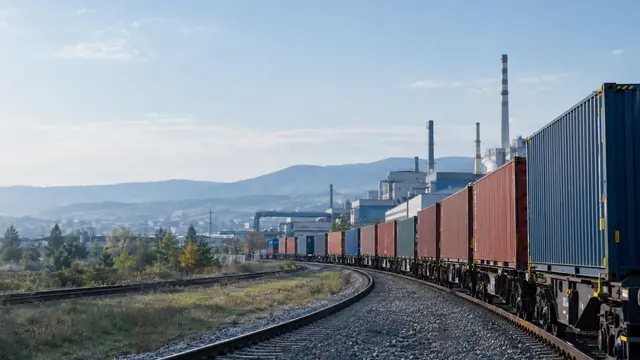
Bulgaria's export to the other EU member states registered a substantial growth in the first half of 2010.
In January-June, it grew by 17.4% reaching BGN 8 B. At the same time, Bulgaria's import from the EU was BGN 9.9 B, an increase of 2.8%.
Thus, Bulgaria's trade deficit with the rest of the EU was BGN 1.9 B in the first half of 2010.
In June, the deficit was BGN 257.5 M as Bulgaria's export to the EU grew by 36.2% year-on-year reaching BGN 1.6 B, while its import increased by 9.5% amounting to about BGN 1.9 B.
Bulgaria's major EU trading partners are Germany, Italy, Greece, and Romania, which form about 62% of its export to the EU. In the first half of the year, Bulgarian export to Germany went up by 22.8%, and to Italy – by 28.7%; to Denmark – by 62%; to the Czech Republic – by 54%.
The greatest decline of Bulgarian export was in the bilateral with Portugal, Cyprus, and Malta.
Bulgaria's import from Portugal grew by 58%, and from Spain, Romania, and Malta – by 40%.
Bulgaria's export to the rest of the EU increased in almost all sectors in the first half of 2010; the largest growth was in the export of raw materials, machinery and equipment. Only the export of beverages and tobacco saw a decline.
Raw materials and fuels saw the greatest growth as far as Bulgaria's imports from the rest of the EU as concerned; the import of machinery and equipment saw the lowest increase.
Първоначално публикувано от Novinite.
Икономика
Bulgarian employers' expenses for employment have increased by 8,2% in the second quarter of 2010 in comparison to the same period last year, statistics showed. According...
 Икономика
Bulgaria's competitiveness slightly improved from last year but continues to lag behind most Central and Eastern European countries and EU member states, an annual rankin...
 Икономика
The shareholders and project company of Nabucco have singed a mandate letter with three international financial institutions for the appraisal of the future natural gas t...
