Two weeks after rejecting the proposal, the city council backed the Sofia World Skate Capital programme, while the Olympic Committee said only 5% of 1,770 public sports facilities are in very good condition.
Sofia Municipal Council has backed the city's bid to host international skateboarding competitions and approved up to €9.6 million over three years for the Sofia World Skate Capital programme, Mayor Vassil Terziev said on 19 November, BTA reported. On 5 November the council had rejected a proposal to spend up to €9.6 million on three competitions, which received 30 votes in favour when 31 were needed.
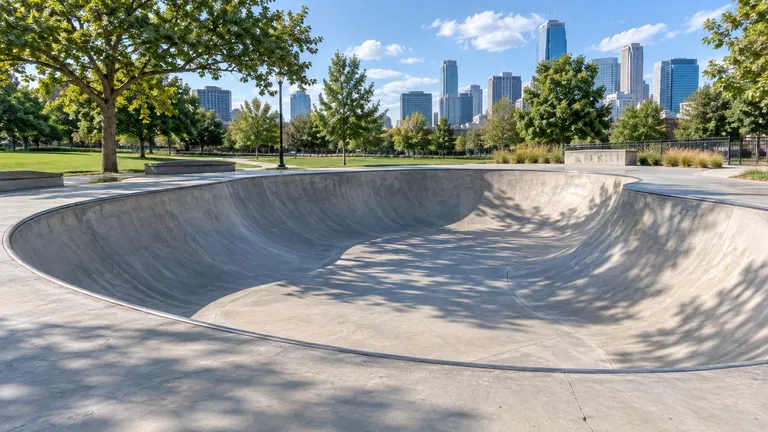
Sofia aims to host two qualifying events for the 2028 Los Angeles Olympics and a World Cup event in 2029. The programme also includes plans to build a permanent, certified skatepark. Terziev said €2 million a year would go on licence fees, with the rest covering logistics and organisation.
The mayor said the city expects an economic boost worth tens of millions of euros, as the competitions would attract visitors, generate hotel stays and increase spending at local businesses. He described the programme as a long-term investment in Sofia's economy that could help establish the city as a regional centre for skateboarding.
Two days earlier, on 17 November, Bulgarian Olympic Committee (BOC) President Vesela Lecheva said Bulgaria lags significantly behind neighbouring countries in investment in sports infrastructure. Speaking at the launch of an interactive map of athletics facilities organised by the Bulgarian Athletics Federation, she said considerable funds had been invested in recent years but in a piecemeal way, without federations and clubs taking the leading role.
Lecheva said the BOC has started mapping all sports infrastructure in the country. There are 1,770 state and municipal sports facilities, 97% of them municipal, and only 5% are in very good condition. Without investment in these facilities, parents cannot be motivated to enrol their children in sport, she said.
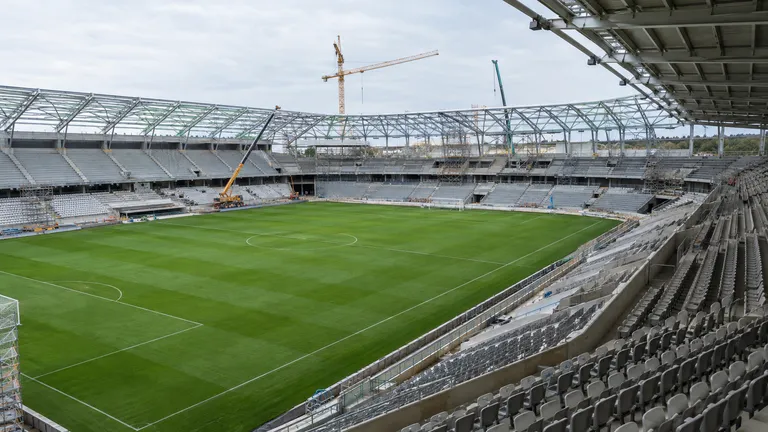
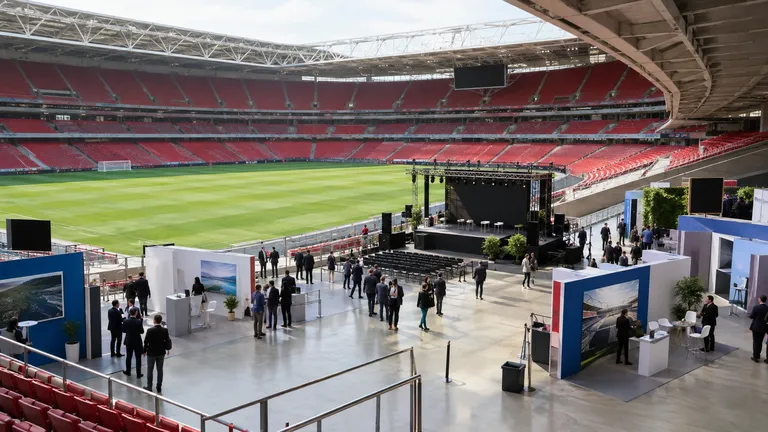
She pointed to the renovated Bulgarian Army Stadium, where the conference was held, as an example of partnership between the state, the municipality and private business. More than €100 million was invested in the stadium, largely through the efforts of the CSKA club and private initiative, which would not have been possible without the public-private partnership mechanism, she said.
 Sports