Environmental authorities ruled that the Georgi Asparuhov Stadium rebuild needs no impact assessment; a day later, Sofia's council fell one vote short of funding three World Skate competitions.
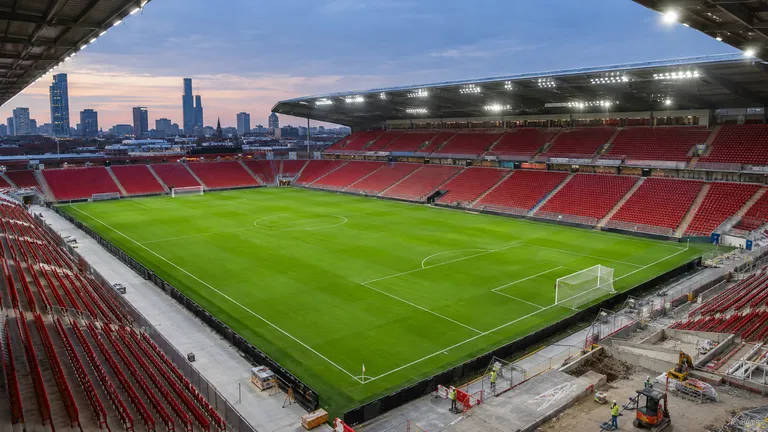
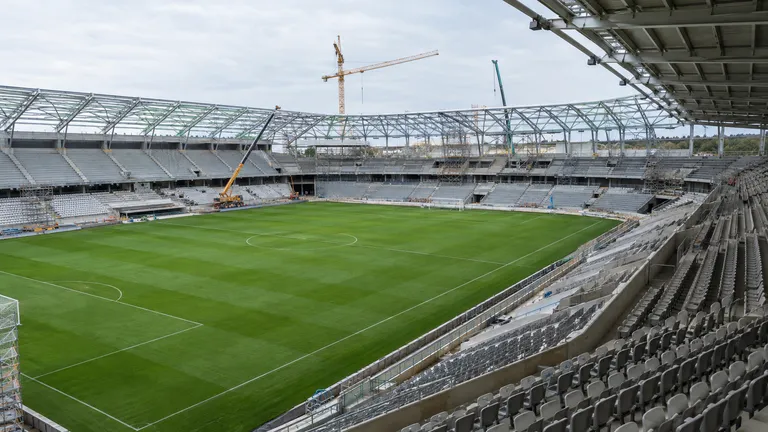
Bulgarian football club Levski Sofia has moved a step closer to rebuilding its Georgi Asparuhov Stadium after environmental authorities ruled that the project does not require an environmental impact assessment, BGNES reported on 7 November. The decision was issued on 4 November by the Sofia Regional Inspectorate of Environment and Water, and no written objections were submitted beforehand. The project can now move to the next stages of administrative approval.
The total investment is estimated at €120 million. The plans include replacing the existing earth-supported stands, roofing all spectator sections, a digital facade, additional parking with a two-level underground car park beneath Sector A, and improvements to the surrounding area. The new stadium would hold 27,826 spectators under Bulgarian Football Union rules and 25,026 under UEFA standards, and is designed to meet UEFA Category 4 criteria.
A day later, on 5 November, Sofia Municipal Council rejected a proposal to spend up to €9.6 million on hosting three international skateboarding competitions in 2027, 2028 and 2029, VolleyWeek reported. The proposal received 30 votes in favour when 31 were needed. It envisaged Sofia applying to World Skate for two Olympic qualifiers for Los Angeles 2028 and a World Cup event in 2029.
The plan drew criticism from sports federations. The Association of Bulgarian Sports Federations said the money should go primarily to sports infrastructure and youth sport, while Bulgarian Athletics Federation president Georgi Pavlov said €9.6 million could pay for four new athletics tracks in Sofia, Plovdiv, Varna and Burgas.
A municipal statement from 15 October shows that 126 sports clubs receive a total of €1 million a year for their youth academies, and €1.21 million is allocated to repairing sports grounds across the city's 24 districts, according to VolleyWeek. The municipality's report included an example scenario of €2.01-2.07 million in sponsorship income for the three events, which the authors said was not guaranteed.
Both cases show how Sofia's sports facilities are being weighed as investments with long-term returns as well as costs.
 Sports