The government bill passed 118-67 and sets four rates from €500 to €6,000 for combustion-engine cars of 250 kW or more; fully electric and emergency vehicles are exempt.
Bulgaria's Parliament on 12 November approved at first reading amendments to the Excise Duties and Tax Warehouses Act that introduce an excise duty on high-powered cars and a ban on trading home-made rakia, BTA reported. The Council of Ministers' bill passed by 118 votes to 67, with three abstentions.
It was supported by 117 MPs from Progressive Bulgaria and one from Democratic Bulgaria. Eighteen MPs from GERB-UDF, 19 from the Movement for Rights and Freedoms, eight from Democratic Bulgaria and 11 each from Continue the Change and Vazrazhdane voted against.
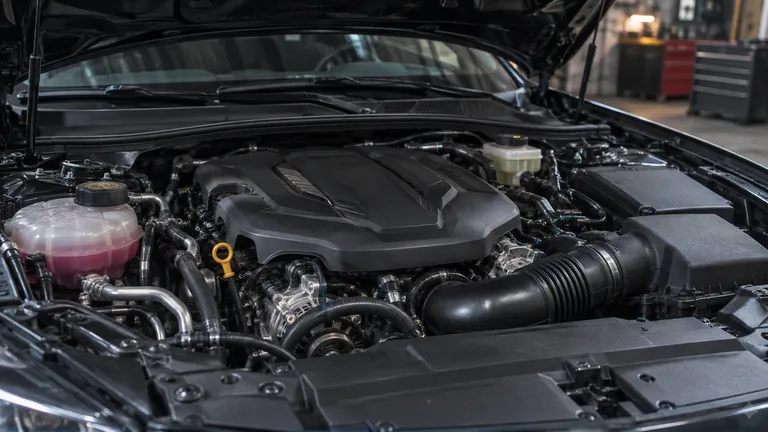
Under the proposal, passenger cars with an internal combustion engine producing a maximum net power of 250 kW (340 hp) or more will pay excise duty depending on engine power. Four rates are proposed: €500 for 250 to 300 kW, €1,500 for 301 to 350 kW, €3,000 for 351 to 500 kW and €6,000 above 500 kW. Fully electric vehicles and special-purpose vehicles, including ambulances, fire engines and vehicles with special traffic privileges, are exempt.
The bill also aims to curb the illegal sale of rakia distilled under the preferential regime for household consumption and provides for tighter controls. Other changes concern the storage and use of energy products, electricity and other excisable goods, as well as measures to make customs controls more effective and limit excise evasion.
Vazrazhdane MP Tsoncho Ganev criticised the bill. "Taxes keep going up," he said, claiming that the aim was to protect the corporate interests of alcohol producers.
For car importers and dealers, the rates would add a one-off cost for the most powerful combustion-engine models, while leaving electric cars outside the scope of the tax. The bill still needs to pass a second reading before it becomes law.
 Politics