 Economy
Employers back a EUR 660 minimum wage for 2027 while unions oppose it
The proposed rise of EUR 39.80, or 6.4%, failed to win consensus at the tripartite council, with the two main trade union confederations against it.
Type at least two letters to see matching pages.
2 min read
 Economy
Alexander Poulev said each state euro should attract €5 to €20 of private investment, while the prime minister said the budget will reach Parliament in the coming days after the 31 October legal deadline.
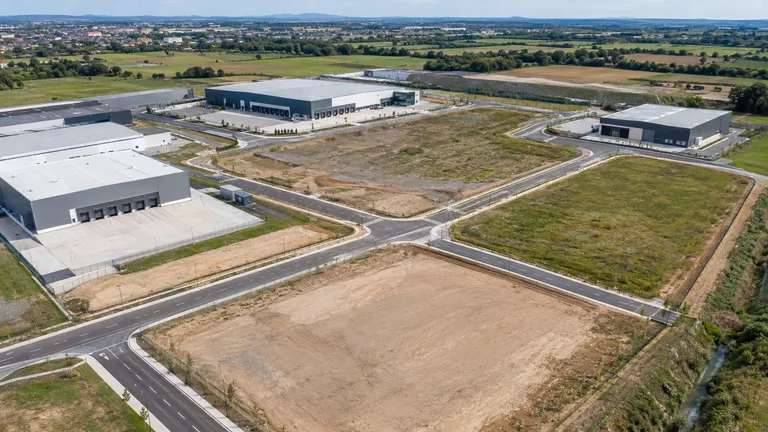
Bulgaria's 2027 draft budget will include €135 million for the development of industrial zones, Deputy Prime Minister and Minister of Economy, Investment and Industry Alexander Poulev said in an interview with Bulgarian National Television on Saturday 31 October, BTA reported.
Poulev said the aim was a multiplier effect, with every euro invested by the state attracting between €5 and €20 of private investment. Strategic zones with high potential had been identified across the country, he said, and further details of the analyses would be presented. He described the draft as a budget that would provide all the tools needed for growth and confirmed it would be presented in early November.
Asked about new government debt to refinance existing borrowing, Poulev said this was standard practice and that Bulgaria's debt level remained low. He said he supported new debt when it was linked to reforms, such as investment in industrial zones, a better business environment and support for industry, but opposed borrowing only to plug holes and pay current wages, which he warned could lead to a debt spiral.
As chair of the Investment Screening Committee, Poulev said investment under this component had risen by 65% during the government's term. He also said Bulgarian exports had grown by 10% over the past eight months. He called the country's removal from the FATF grey list major news for investment and said it opened the way to membership of the Organisation for Economic Co-operation and Development (OECD).
The timing of the budget has become a political issue. Under the Public Finance Act, the Council of Ministers must submit the state budget bill and the updated medium-term budget forecast to the National Assembly by 31 October. Prime Minister Rumen Radev, who a few days earlier had said the draft would be tabled by the end of October, told reporters on Sunday 1 November that it would be submitted in the coming days. He said the government was making great efforts to restore public finances and that the task was not easy.
For investors looking at industrial land, the details still to come will matter most: which zones are chosen, how the money is split between land, roads and utilities, and how quickly sites can be offered to tenants.
Economy
The proposed rise of EUR 39.80, or 6.4%, failed to win consensus at the tripartite council, with the two main trade union confederations against it.
 Economy
The first plan since euro adoption keeps the main tax rates, adds a one-off windfall contribution and raises the social security ceiling.
 Economy
The Fund raised its inflation forecast to 4.9% and now expects a current account deficit of 8% of GDP.
InvestBulgaria Assistant
Guides, regions and companies for your plans in Bulgaria
What are you looking to do in Bulgaria today?
Answers are written by AI and can be wrong: check the linked pages. Please do not enter personal details.