 Macroeconomic Data
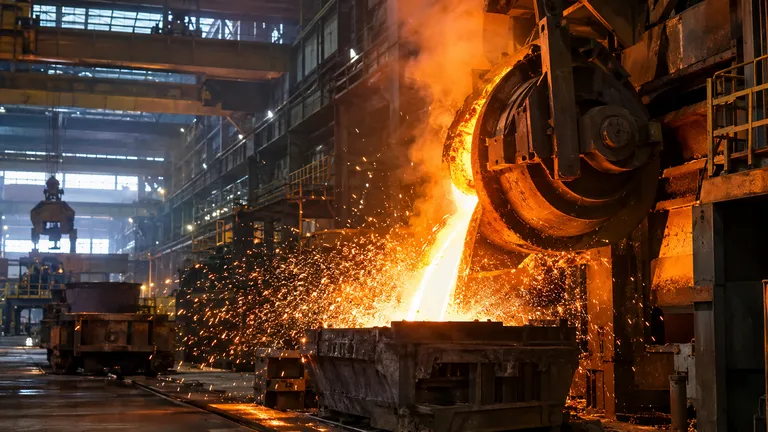
Bulgaria's industrial output falls 8.9% year on year in September
Preliminary NSI data show manufacturing down 9.4% and mining down 56.6% on the year, while energy supply rose 32.2%; output slipped 0.5% from August.
Type at least two letters to see matching pages.
1 min read
 Macroeconomic Data
The NSI labour force survey shows unemployment 0.3 points lower than a year earlier, but the employment rate for people aged 15-64 also fell, to 70.8%.
Bulgaria's unemployment rate stood at 3.1% in the third quarter of 2026, down 0.3 percentage points from the same period of 2025, the National Statistical Institute (NSI) reported on 13 November, according to BTA.
The rate was 3.5% in the second quarter of 2026 and 3.2% at the beginning of the year. The long-term unemployment rate was 1.4%.
The fall in unemployment was not matched by higher employment. The employment rate for people aged 15-64 fell by 0.6 percentage points year on year to 70.8%, and the economic activity rate for the same age group dropped by 0.8 points to 73.1%.
Among people aged 15-29, unemployment stood at 8.1%, 0.6 percentage points lower than a year earlier, with a rate of 10% for young men and 5.6% for young women.
The total number of employed people in Bulgaria was 2,927,800 in the third quarter, including 652,000 people aged 55-64.
The quarterly survey figures differ from the monthly estimates published by Eurostat. The labour market data came out on the same day as NSI wage figures showing an average monthly wage of €1,438 in the third quarter, 10.4% higher than a year earlier.
The broader economy kept growing in the same period. NSI flash data published on 13 November showed gross domestic product up 2.5% year on year and 0.6% on the previous quarter in the third quarter, with final consumption expenditure rising by 6.3%. Exports of goods and services, however, fell by 5.5% and gross fixed capital formation by 0.5%, according to the figures reported by BTA.
Macroeconomic Data
Preliminary NSI data show manufacturing down 9.4% and mining down 56.6% on the year, while energy supply rose 32.2%; output slipped 0.5% from August.
 Macroeconomic Data
Eurostat data show Bulgarian full-time adjusted pay reached 39.1% of the EU average of €41,464, up from 33.3% in 2022, as annual growth slowed from 14% in 2024.
 Macroeconomic Data
Eurostat data show producer prices up 4.6% in a month and 22.9% in a year, ahead of Ireland and Lithuania, while energy prices across the euro area rose 30.8% year on yea...
InvestBulgaria Assistant
Guides, regions and companies for your plans in Bulgaria
What are you looking to do in Bulgaria today?
Answers are written by AI and can be wrong: check the linked pages. Please do not enter personal details.