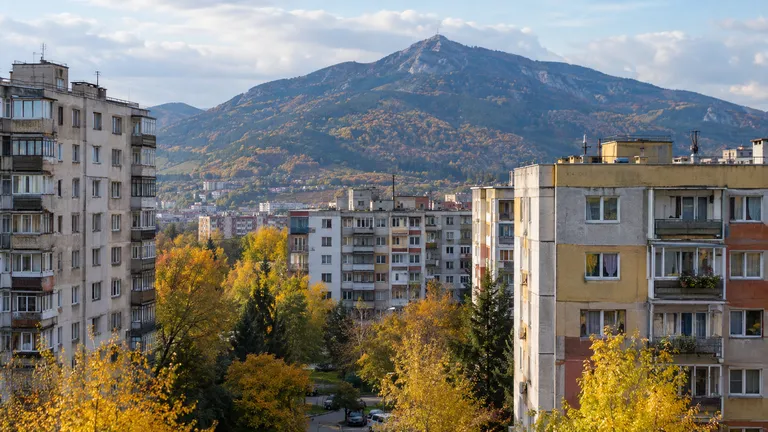
The Property Register recorded 45,312 sales in July-September against 58,184 a year earlier, while NSI data show home prices up 15.5% year on year in the second quarter and housing loans up 24.8%.
Property sales in Bulgaria fell by 22.1% in the third quarter of 2026 compared with a year earlier, with 45,312 sales registered in the Property Register in July-September against 58,184 a year before, Fakti.bg reported on 19 November. For the first nine months the decline was 18.8%, to 129,431 sales from 159,338.
The fall has accelerated during the year: sales were down 15.5% year on year in the first quarter and 17.9% in the second.
The drop in transactions has not yet translated into falling prices in official statistics. The latest National Statistical Institute data show housing prices up 4.5% in the second quarter on the first and 15.5% year on year. Quarterly growth was strongest in Plovdiv (5.8%), followed by Stara Zagora (2.9%), Varna (2.8%) and Sofia (2.4%), while Burgas recorded a 1.5% decline. Third-quarter figures are due on 23 December.
Lending also continues to grow. According to Bulgarian National Bank data cited by Fakti.bg, the average interest rate on housing loans in September was 2.41%, with an annual percentage rate of charge of 2.76%. New housing loan business that month reached €643.6 million, and the stock of housing loans stood at €19.646 billion at the end of September, 24.8% higher than a year earlier.
Economist Krasimir Petrov told Euronews Bulgaria that the market is seeing a large fall in transactions despite a growing economy and very low interest rates, and that developers left with unsold homes could have to offer deep discounts if conditions worsen. Fakti.bg noted that this is his forecast rather than an official assessment.
BNB Governor Dimitar Radev said in London on 16 November that rapid growth in housing lending warrants close attention. The central bank applies strong capital requirements and binding limits on loan-to-value, debt-service-to-income and loan maturity, and stands ready to adjust them if financial stability risks warrant it, he said.

 Real Estate