 Infrastructure
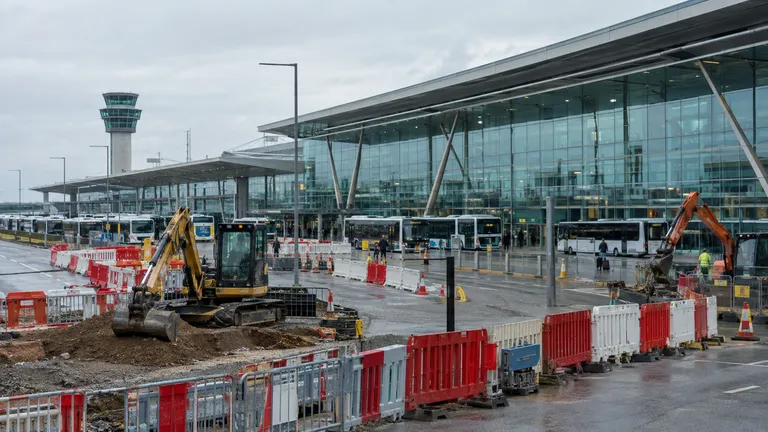
Sofia Airport begins EUR 7 million preparatory works for Terminal 3
Operator SOF Connect has started building a new transport hub and redeveloping the Terminal 2 forecourt, with completion planned by the end of March 2027.
Type at least two letters to see matching pages.
2 min read
 Infrastructure
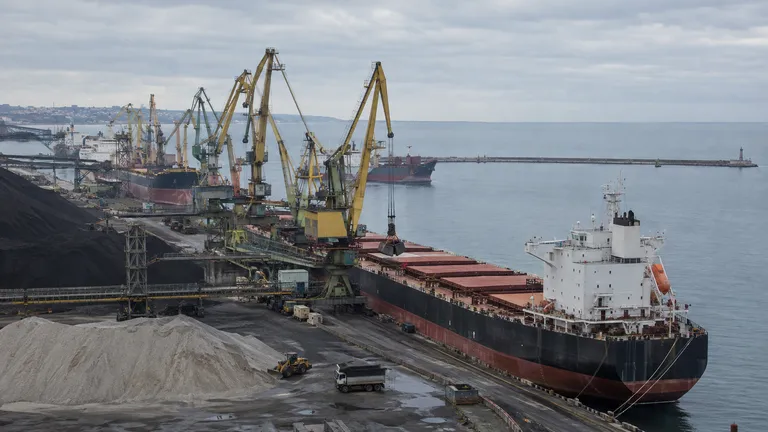
More than 28 million tonnes of goods passed through Bulgaria's Black Sea ports in 2025, and metallurgy, chemicals and refining depend on them.
There is a growing risk that the Bulgarian economy could be cut off from its foreign markets, Latchezar Bogdanov, chief economist at the Institute for Market Economics (IME), wrote in an analysis published on 16 October and reported by BTA on 19 October. Cargo ships sunk recently in the Black Sea close to Bulgaria's coast have already pushed up insurance costs and made shipping more expensive, he said, warning that continued attacks could bring shipping to a halt.
Maritime transport is essential for the economy. More than 28 million tonnes of goods were imported and exported through Bulgaria's Black Sea ports in 2025, and over the past decade annual volumes have ranged between 26 million and 32 million tonnes. Cargo handled by Bulgarian seaports grew by 17% in the first half of 2026 compared with a year earlier.
About 46% of goods imported by sea are liquid bulk, mainly fuels and chemicals, and 28% are solid bulk such as coal, ores, construction materials, fertilisers and scrap metal. Exports are dominated by solid bulk (60%), with liquid bulk at around 20%. About 10% of trade moves in containers.
Whole sectors depend on these routes, including metallurgy (Aurubis Bulgaria, Stomana Industry), chemicals (Solvay Sodi, Agropolychim), oil refining (Lukoil Neftochim), agriculture and grain trading. Higher shipping costs or interrupted deliveries could disrupt production, reduce competitiveness and cut exports, the analysis warns.
The Danube adds to the problem. Water levels are at record lows, impeding river transport. Bulgaria's Danube ports handled 3.9 million tonnes in 2025, within a range of 3.5 million to 4.5 million tonnes over the decade, but volumes fell by 14% in the first half of 2026.
Romania also plans to suspend the rail link across the Danube Bridge between Giurgiu and Ruse from April to December 2027 for electrification, while Bulgaria will upgrade its part from April 2028 until 2030. Together with the river problems, this will affect plants in northern Bulgaria such as Orgachim, Prista Oil and the Astra Bioplant group.
The IME concluded that the government has so far failed to produce a strategic response to the parts of the problem that depend on Bulgaria's own decisions.
Infrastructure
Operator SOF Connect has started building a new transport hub and redeveloping the Terminal 2 forecourt, with completion planned by the end of March 2027.
 Infrastructure
Bulgaria's Regional Development Minister Lilyana Pavlova, photo by BGNES
 Infrastructure
Stara Zagora. “After infrastructure projects it comes the turn of the factories. This is what rehabilitates economy,” Bulgarian Prime Minister Boyko Borisov said at the o...
InvestBulgaria Assistant
Guides, regions and companies for your plans in Bulgaria
What are you looking to do in Bulgaria today?
Answers are written by AI and can be wrong: check the linked pages. Please do not enter personal details.