 Health
 Ministry proposes EUR 1,550 monthly pay for state-funded resident doctors
The draft ordinance was announced on the day young doctors protested in Sofia for better pay and fairer access to specialist training.
Type at least two letters to see matching pages.
1 min read
 Health
Generic drugs account for three quarters of medicines sold in Bulgaria by pack but less than a tenth of the health insurance fund's drug spending.
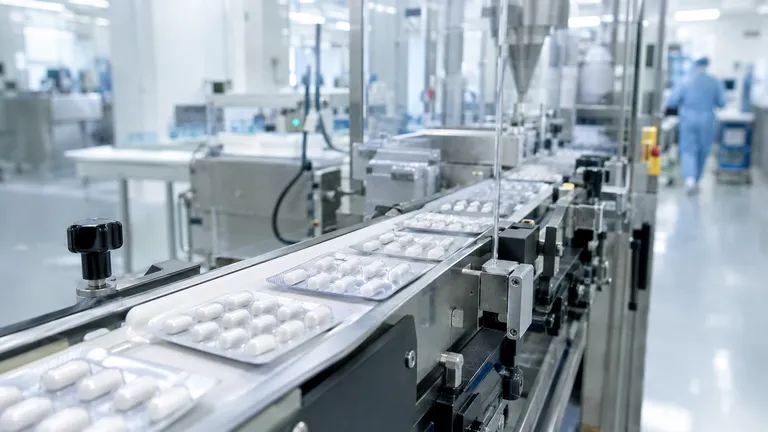
Bulgaria produces 10% of the generic medicines made in the European Union, and their use saves the National Health Insurance Fund (NHIF) more than BGN 200 million a year, participants heard at a forum in Sofia on 21 October, Bulgarian National Radio reported. Over 2020 to 2025, total savings exceeded BGN 1 billion.
The forum was held under the patronage of the parliamentary health committee and brought together representatives of state institutions, the pharmaceutical industry and the medical community.
According to data presented at the event, generic medicines make up 75% of the Bulgarian medicines market measured by number of packs but account for less than 10% of the NHIF's spending on medicines. Eight in ten prescribed medicines are generics. The pharmaceutical industry contributes more than 3% of Bulgaria's GDP. The NHIF's spending on medicines increased 3.7 times between 2016 and 2025.
Professor Kostadin Angelov, chair of the parliamentary health committee, stressed the strategic importance of the sector and the need for a predictable legal framework that supports production and ensures that patients have access to treatment.
Adrian van den Hoven, director general of the European association Medicines for Europe, said manufacturers face growing pressure from higher costs of energy, raw materials, transport and regulatory requirements, while prices of generic medicines keep falling. Between 2015 and 2024, consumer prices rose by 30% while generic medicine prices fell by 8%, he said. Sustainable access to medicines cannot be guaranteed only through a lowest-price policy, he added, calling for public procurement and pricing models that also take account of security of supply, production costs and competition.
Biosimilar medicines were highlighted as a further opportunity. According to Medicines for Europe, they have saved European health systems EUR 56 billion since 2006, and 110 biological medicines are expected to lose market exclusivity in Europe by 2032.
For Bulgaria, which hosts several generic manufacturers, the debate on EU pricing and procurement rules has a direct bearing on investment in local production lines.
Health
The draft ordinance was announced on the day young doctors protested in Sofia for better pay and fairer access to specialist training.
 Health
The two-day EUROCITIES Forum is taking place in Sofia, Bulgaria, under the theme “Funding of Public Transport and New Business Models”. EUROCITIES is the network of major...
 Health
A briefing dedicated to the cases of patients admitted to the medical establishment during the Easter holidays over food and alcohol poisoning was held Monday at Pirogov...
InvestBulgaria Assistant
Guides, regions and companies for your plans in Bulgaria
What are you looking to do in Bulgaria today?
Answers are written by AI and can be wrong: check the linked pages. Please do not enter personal details.