Georgi Peev said an action plan signed in Brussels in September covers 25 cross-border projects on the Black Sea-Aegean corridor, including new Danube bridges and rail upgrades.
Bulgaria's transport policy aims to strengthen the country's role as a gateway between Europe, the Western Balkans and the Black Sea region, Transport and Communications Minister Georgi Peev said at the seventh Sofia Economic Forum on Monday 26 October, BTA reported. The forum is organised by the Delphi Economic Forum.
Peev said weak north-south transport links were among Bulgaria's most serious challenges. The country's infrastructure had historically been oriented mainly east to west, while links between the Danube, the interior and the Aegean Sea faced significant constraints. The aim is to develop joint projects with Greece and Romania along three main north-south axes, western, central and eastern, improving connections between border crossings, industrial centres, logistics hubs and ports.
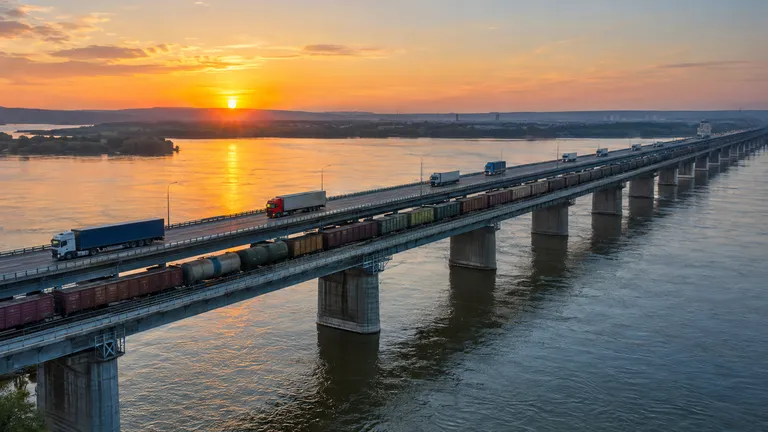
Among the main obstacles, Peev pointed to the small number of bridges over the Danube, with only two along a 300 km stretch of the river in the region, as well as capacity limits on key road and rail sections and the need for better links across the Balkan Mountains.
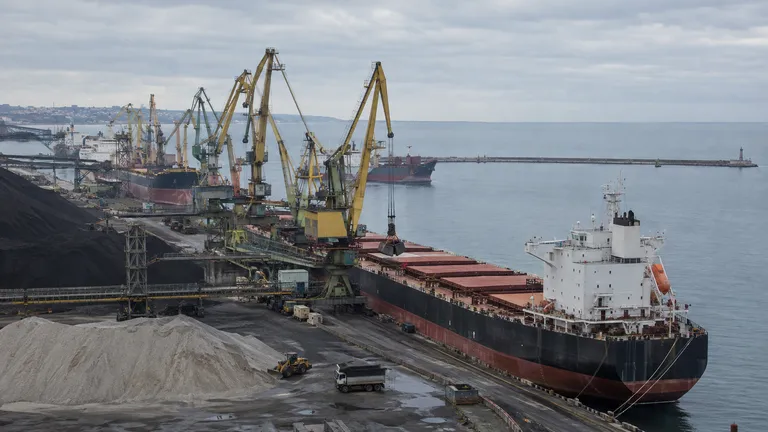
In September 2026 an action plan to implement the 2025 memorandum of understanding on the Black Sea-Aegean Sea Corridor Platform was signed in Brussels under the auspices of European Commissioner Apostolos Tzitzikostas, Peev recalled. The plan covers 25 priority cross-border projects worth about €22.8 billion. Key priorities include modernising rail links between the three countries, improving connections to the ports of Varna, Burgas and Ruse, building new Danube bridges and increasing the capacity of existing infrastructure.
Projects of this size need substantial investment, coordination between countries and sustained EU support, Peev said. The government is working to mobilise private capital through public-private partnerships. A specialised unit for strategic projects will be set up under the prime minister, and each project will be assessed against economic criteria and its real level of readiness, with businesses involved from the start, he said.
Peev also linked the corridor to security, saying better transport links support regional resilience and dual-use infrastructure for both civilian and military mobility. For logistics companies and ports, the corridor is a long-term project, but the action plan and project list give a clearer picture of where public money may go.
 Infrastructure